In a world where schedules are constantly full and attention is pulled in countless directions, relaxation has become an intentional practice rather than a passive state. Modern lifestyle philosophy no longer treats rest as something that happens only on weekends or holidays. Instead, it is woven into daily routines through conscious choices that prioritize mental clarity, emotional balance, and subtle enjoyment.
Relaxation today is deeply personal. What feels restorative to one person may feel draining to another. Some find peace in silence, while others recharge through stimulation and interaction. This diversity has led to a broader definition of leisure, one that values flexibility and self-awareness over fixed ideas of “doing nothing.” True unwinding is about listening to one’s own rhythm and responding accordingly.
Urban life, in particular, has accelerated the need for intentional rest. Cities offer endless opportunities — cultural events, social gatherings, digital connectivity — but they also demand constant engagement. In response, many people are creating micro-moments of calm throughout their day. A quiet morning ritual, a midday walk, or an evening spent away from notifications can serve as anchors of balance in otherwise busy schedules.
Digital experiences, often blamed for overstimulation, are also being reimagined as tools for mindful leisure. The key difference lies in how they are used. Rather than endless scrolling, people are choosing platforms that offer structure, purpose, and engagement within clear boundaries. Interactive entertainment that combines strategy and focus can feel surprisingly restorative when approached intentionally. For some, a thoughtfully chosen digital experience connected to a casino environment becomes part of this balanced approach — not as excess, but as a controlled, stimulating way to unwind.
A lifestyle-magazine view of relaxation emphasizes atmosphere as much as activity. Lighting, sound, and environment play a crucial role in shaping how leisure is experienced. Soft music, comfortable spaces, and aesthetically pleasing surroundings elevate even simple activities into moments of indulgence. This focus on ambiance reflects a growing appreciation for slow living, where quality outweighs quantity.
Food and drink rituals are another cornerstone of modern relaxation. Preparing a meal with care, enjoying a glass of wine in the evening, or savoring a specialty coffee becomes a form of mindfulness. These moments encourage presence, turning routine actions into sources of pleasure. The act itself is less important than the intention behind it — slowing down enough to truly enjoy the experience.
Social relaxation has also evolved. Instead of large, exhausting gatherings, many people now prefer intimate settings and meaningful conversations. Connection is valued not for its frequency, but for its depth. Leisure becomes an opportunity to recharge through shared experiences, laughter, and understanding rather than obligation or performance.
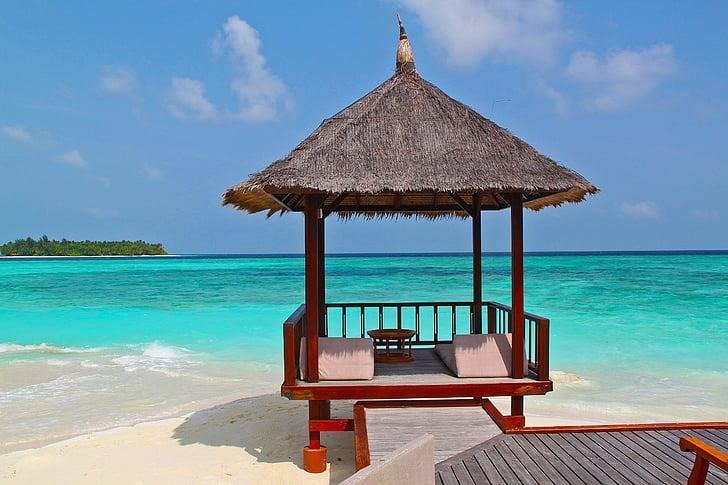
Travel trends mirror this shift in mindset. Slow travel, boutique stays, and local exploration have replaced the need to see everything at once. Even short getaways are designed around comfort and immersion rather than packed itineraries. The goal is not to escape life, but to experience it more fully in a different context.
Importantly, modern relaxation includes an element of choice and control. People are becoming more aware of their limits and learning to say no without guilt. Rest is no longer something that must be earned through exhaustion; it is recognized as essential for creativity, productivity, and emotional health. This change reflects a deeper cultural shift toward sustainability — not just environmentally, but personally.
Lifestyle magazines increasingly highlight this philosophy: that elegance in living comes from balance, not excess. Leisure that stimulates the mind without overwhelming it, that entertains without consuming, and that fits naturally into one’s day is the new ideal. Carefully curated experiences, whether offline or digital, support this approach by offering engagement on one’s own terms.
Ultimately, the modern art of unwinding is about alignment. It is about choosing how to spend time in ways that reflect personal values and enhance well-being. Whether through quiet rituals, creative pursuits, meaningful connection, or selective digital engagement, relaxation becomes an expression of self-respect.
In embracing this mindset, people redefine what it means to live well. Relaxation is no longer an afterthought — it is a deliberate, stylish, and essential part of everyday life. And in a world that rarely slows down, the ability to unwind with intention may be the most refined luxury of all.