Why Some Pieces Stay With Us
There is something surprisingly familiar about the way most of us build a jewellery collection.
A piece catches our eye in a shop window, appears repeatedly on social media, or suddenly seems impossible to ignore because everyone appears to be wearing something similar. For a while it feels exciting. We wear it often, enjoy the compliments it attracts, and quietly assume it will remain one of our favourites for years to come.
Then life moves on.
Months later, that once-exciting purchase sits untouched in a jewellery box beside other accessories that followed exactly the same path. Nothing is wrong with them. They simply belonged to a particular moment rather than becoming part of everyday life.
Yet every collection usually contains a few exceptions.
These are the pieces we continue reaching for almost without thinking. They aren’t always the most expensive items we own, nor are they necessarily the first things people notice. Somehow they survive changing wardrobes, new jobs, different cities, and entirely different stages of life. Putting them on becomes as natural as picking up a wallet before leaving the house.
That quiet difference is worth paying attention to.
Fashion has always encouraged experimentation, and that’s part of what makes it enjoyable. New colours, unexpected combinations, and changing silhouettes keep style feeling fresh. Every so often, those experiments even produce designs that eventually become classics.
The challenge isn’t following trends.
It’s expecting every trend to earn a permanent place in our lives.
People whose style feels genuinely effortless rarely replace everything each season. Instead, their wardrobes evolve gradually around reliable favourites—pieces that continue to work regardless of what’s happening elsewhere in fashion. Jewellery follows that pattern even more closely because it often stays with us much longer than clothing ever does.
Think about the accessories you wear without making a conscious decision.
Perhaps it’s a necklace that’s become part of every morning routine, a bracelet you fasten before work without looking down, or a ring you absent-mindedly turn while waiting for a train or chatting over coffee. Those small habits say far more about personal style than any seasonal purchase ever could.
The longer a piece remains part of everyday life, the more its value begins to change.
Instead of being admired simply for its appearance, it becomes connected to ordinary experiences that slowly gain meaning over time. A favourite bracelet might remind someone of years of daily commutes rather than one unforgettable occasion. A familiar ring may quietly appear in family photographs taken a decade apart without anyone ever planning for it.
That’s often how enduring jewellery earns its place.
Quality craftsmanship certainly matters, but so does familiarity. Well-made pieces don’t constantly demand attention. They become trusted companions, quietly fitting into daily routines until it’s difficult to imagine getting dressed without them.
Looking back, the people with the strongest personal style are rarely remembered for chasing every new trend.
They’re remembered because they developed a recognisable way of dressing. Certain colours suited them. Certain fabrics became favourites. And a handful of carefully chosen accessories seemed to belong so naturally that they felt less like decoration and more like part of the person wearing them.
Years may pass.
Clothes change. Hairstyles evolve. Lifestyles shift in unexpected ways.
Yet some pieces continue to feel exactly right because they were never chosen to impress a particular season in the first place.
Building a meaningful jewellery collection has surprisingly little to do with owning more.
It’s about recognising the few pieces that continue to feel relevant long after the excitement of buying them has faded.
Those are usually the pieces that stay with us the longest.
The Value of Wearing Something Often
If you ask someone why a particular piece of jewellery has become their favourite, the answer is rarely complicated.
It usually isn’t because the piece is the most valuable one they own or because it attracts the most compliments. More often, it’s because it simply fits into everyday life. It works with almost every outfit, feels comfortable from morning until evening, and never asks for much thought before leaving the house.
That kind of versatility is easy to underestimate.
When people first begin building a jewellery collection, they’re naturally drawn to unusual designs or statement pieces that stand out immediately. There’s nothing wrong with that. Fashion has always been about curiosity and self-expression. Yet over time, many discover that the jewellery they wear most often isn’t necessarily the jewellery that made the strongest first impression.
Instead, it’s the piece that quietly adapts.
A well-made bracelet can look equally natural with a crisp shirt at work, a relaxed linen overshirt on holiday, or a simple knit during the colder months. It doesn’t depend on one particular trend or one specific occasion. Its strength comes from fitting effortlessly into different parts of everyday life without ever feeling out of place.
That’s one reason simplicity continues to outlast fashion.
Simple doesn’t mean plain, and understated doesn’t mean forgettable. The best designs often avoid unnecessary decoration, allowing proportion, balance, and quality materials to speak for themselves. They leave enough room for the person wearing them to remain the focus instead of competing for attention.
The same idea becomes even more obvious after years of regular wear.
A bracelet develops tiny signs of use that no factory could ever reproduce. The clasp becomes second nature to fasten. The weight feels familiar rather than noticeable. Small marks that might once have been considered imperfections gradually become reminders of holidays taken, conversations shared, and ordinary mornings that quietly shaped everyday life.
These details aren’t created overnight.
They’re earned through time.
That’s one of the reasons handcrafted jewellery continues to appeal to people who value longevity over novelty. Small variations created during the making process give each piece an individuality that’s difficult to achieve through mass production. Combined with quality materials and careful finishing, those details create jewellery that feels increasingly personal the longer it’s worn.
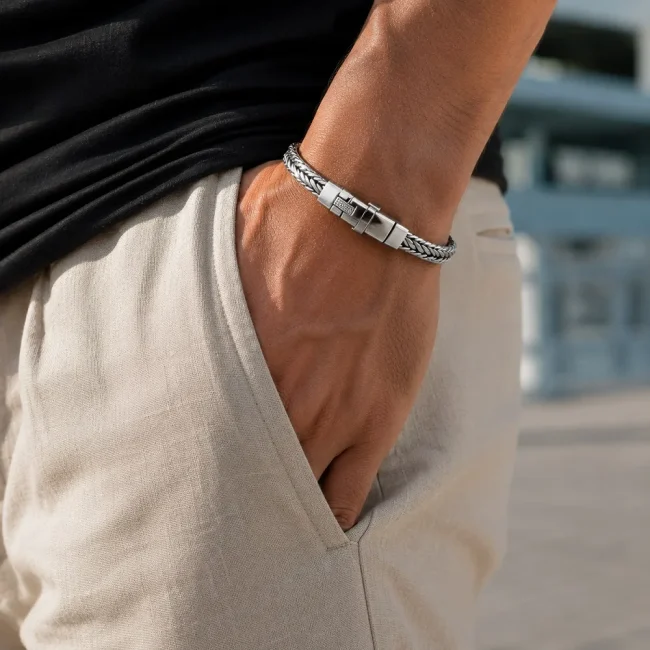
The growing popularity of handmade men’s silver bracelets reflects exactly that shift in thinking.
Many men today aren’t looking for accessories that dominate an outfit or immediately attract attention. They’re looking for pieces that feel balanced, comfortable, and versatile enough to wear every day. A thoughtfully crafted silver bracelet can move effortlessly from the office to a weekend away, pairing just as naturally with tailored clothing as it does with casual denim.
Perhaps the greatest compliment any piece of jewellery can receive is that it becomes almost invisible to the person wearing it.
Not because it lacks character, but because it feels so completely natural that getting dressed without it suddenly seems unfamiliar.
That’s often how lasting collections are built.
Not through impulse purchases or constantly chasing what’s new, but by gradually discovering the pieces that continue to earn their place, day after day and year after year.
When Simplicity Outlasts Fashion
As our personal style becomes more settled, the way we choose jewellery often changes as well.
In the beginning, it’s easy to be drawn towards bold designs that immediately stand out. They feel exciting because they’re different, and for a while they perfectly reflect the excitement of discovering new styles. With time, however, many people find themselves making decisions for entirely different reasons. Instead of asking what looks fashionable today, they begin asking what they’ll still enjoy wearing several years from now.
That small shift changes everything.
Rather than building a collection around individual trends, they start building it around consistency. Pieces are chosen because they work with different outfits, suit different occasions, and continue to feel comfortable no matter how much life changes around them. The collection grows more slowly, but it also becomes far more personal.
Looking through old family photographs offers an interesting reminder of this.
Clothing often reveals exactly when a picture was taken. The shape of a jacket, the cut of a pair of jeans, or even a particular colour palette can immediately suggest a specific decade. Jewellery rarely dates so easily. A simple silver bangle worn twenty years ago can still look completely at home today because good design relies far less on fashion than on proportion and craftsmanship.
That’s one reason simplicity has such lasting appeal.
Minimalist jewellery doesn’t ask to become the centre of attention. Instead, it works quietly alongside everything else we choose to wear. It allows personality to come through naturally rather than competing with it. That balance is surprisingly difficult to achieve, which is why genuinely timeless designs often appear effortless.
Silver bangles are a perfect example.
They’ve remained part of jewellery collections across cultures for generations, not because they’ve escaped changing trends, but because they’ve always been adaptable. Worn on their own, they create a clean and understated look. Layered with a watch or combined with other bracelets, they add texture without making an outfit feel overdone. Their versatility explains why they continue to feel relevant regardless of age or changing fashion.
It’s easy to understand why handmade silver bangles continue to appeal to people who appreciate thoughtful craftsmanship. Slight variations created by hand give every piece its own character, while careful finishing and balanced proportions ensure it remains comfortable enough to wear day after day. Instead of becoming outdated, well-made bangles often become more familiar and more meaningful with every passing year.
The same is true of many lasting collections.
They aren’t built around the excitement of buying something new every few weeks. They develop through careful decisions made over time. One piece proves itself, then another gradually earns its place, until a collection begins to reflect not only personal taste but also the experiences of the person wearing it.
That’s something trends can never offer.
Fashion is constantly looking ahead, encouraging us to discover the next new thing. A thoughtfully chosen piece of jewellery follows a different path. The longer it stays with us, the more naturally it becomes woven into our everyday routines, making it feel less like an accessory and more like a familiar part of life itself.
When that happens, style becomes much less about keeping up.
It becomes about knowing what genuinely belongs.
Personal Style Is Built Through Details
One of the biggest misconceptions about personal style is that it’s created by dramatic changes.
In reality, it usually develops much more quietly than that. Most people don’t wake up one morning with a completely different wardrobe or a perfectly defined sense of style. Instead, they make hundreds of small decisions over the years—choosing certain colours more often than others, discovering fabrics they genuinely enjoy wearing, and gradually finding accessories that simply feel right.
Those choices eventually become habits.
Before long, getting dressed requires less effort because the wardrobe has been shaped around pieces that naturally work together. Instead of constantly experimenting with something new, people begin refining what already feels authentic. The result isn’t less interesting. If anything, it feels far more personal because every choice reflects experience rather than impulse.
Jewellery often plays a surprisingly important role in that process.
Unlike clothing, which changes with the weather or the occasion, jewellery tends to stay remarkably consistent. A favourite bracelet may be worn through every season. A familiar necklace quietly accompanies years of ordinary routines. Rings, perhaps more than any other accessory, become part of daily life almost without us noticing.
It’s interesting how much attitudes towards men’s jewellery have changed over the past decade.
There was a time when many men considered a watch to be the only accessory they needed. Today, style feels much less restricted. Whether someone prefers classic tailoring, relaxed casual clothing, or something in between, jewellery has become another way of expressing personality without relying on obvious branding or passing trends.
That change isn’t driven by fashion alone.
It’s also the result of people placing greater value on craftsmanship and longevity. Instead of buying accessories that feel exciting for a few weeks, many are choosing pieces they can imagine wearing for years. Comfort matters, but so does confidence. The best jewellery doesn’t feel like something added to complete an outfit—it feels like it belongs there from the beginning.
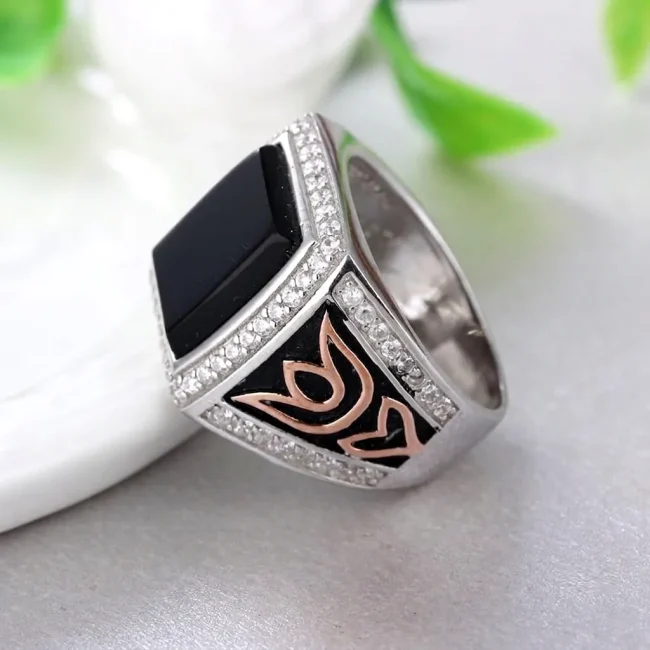
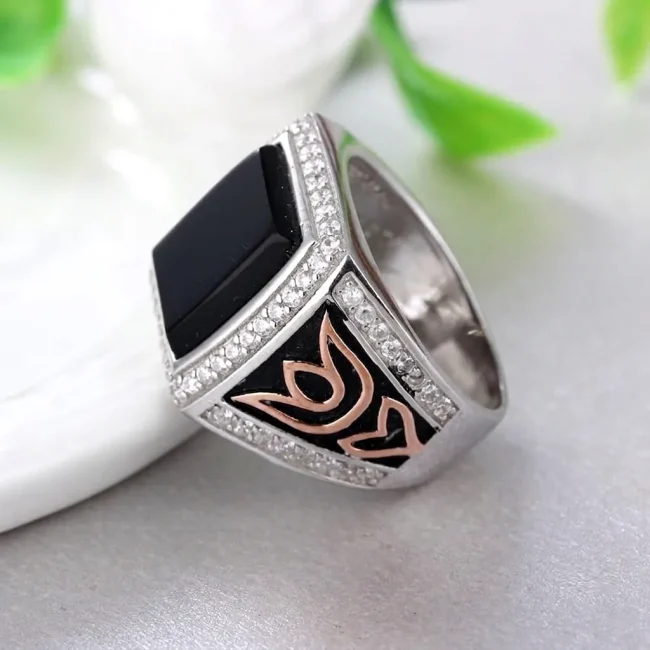
That’s one reason men’s sterling silver rings continue to appeal to people looking for understated elegance rather than short-lived trends. A thoughtfully crafted silver ring has a remarkable ability to work across different settings, from everyday routines to more formal occasions, without ever feeling out of place. Its strength lies in balance rather than excess, allowing it to become part of someone’s signature style instead of competing for attention.
The same principle can be seen in almost every memorable wardrobe.
The people whose style we admire most rarely own the largest collections. More often, they’ve simply learned which pieces deserve to stay. Their choices feel consistent because they’ve been refined over time, not because they’re trying to follow a particular trend.
Perhaps that’s what makes personal style so enduring, it isn’t built through constant reinvention, it’s shaped through thoughtful decisions repeated often enough that they eventually become second nature.
The Best Collections Grow Slowly
The most meaningful collections rarely begin with a plan.
Very few people decide one afternoon that they’re going to build a jewellery collection for the next twenty years. More often, it happens without much intention at all. A bracelet is bought while travelling. A ring marks the beginning of a new chapter in life. A gift from someone close quietly becomes part of an everyday routine. Years later, those individual moments come together to tell a much bigger story.
Looking back, it’s often surprising how little those decisions had to do with fashion.
At the time, each piece simply felt right. There wasn’t a detailed strategy behind the purchase or a carefully planned collection waiting to be completed. The value came later, as those pieces continued to appear in ordinary moments that gradually became lasting memories.
That’s something trends can never really offer.
A trend asks us to focus on what’s new. A well-chosen piece of jewellery asks something different. It invites us to slow down, wear it often, and allow it to become part of our own story. The relationship grows naturally, almost unnoticed, until one day it’s difficult to imagine that piece not being there.
Perhaps that’s why the jewellery we treasure most is rarely the jewellery that impressed us the most on the day we bought it.
Instead, it’s the piece that quietly proved itself over time.
It travelled with us. It appeared in photographs we never thought much about. It became part of celebrations, ordinary routines, unexpected opportunities, and countless small moments that seemed insignificant at the time but now feel strangely important.
Those experiences can’t be polished into the metal or carved into the design.
They belong entirely to the person wearing it.
That’s what gives lasting jewellery a different kind of value. Craftsmanship creates the foundation, but time gives every well-loved piece its character. The longer it remains part of everyday life, the more naturally it reflects the person who wears it rather than the trend that first inspired it.
Perhaps the best collections are never really finished.
They continue to evolve, not because every season demands something new, but because life itself keeps changing. A collection grows one thoughtful choice at a time, shaped by experiences rather than impulse and by quality rather than quantity.
Years from now, very few of us will remember which styles dominated a particular season or which colours happened to be fashionable for a few months.
We’ll remember the jewellery that quietly accompanied everyday mornings, long conversations, family celebrations, unexpected journeys, and all the ordinary days in between.
Those are the pieces we reach for without thinking, not because they’re the newest, not because they’re the most expensive.
But because, somewhere along the way, they became part of who we are.