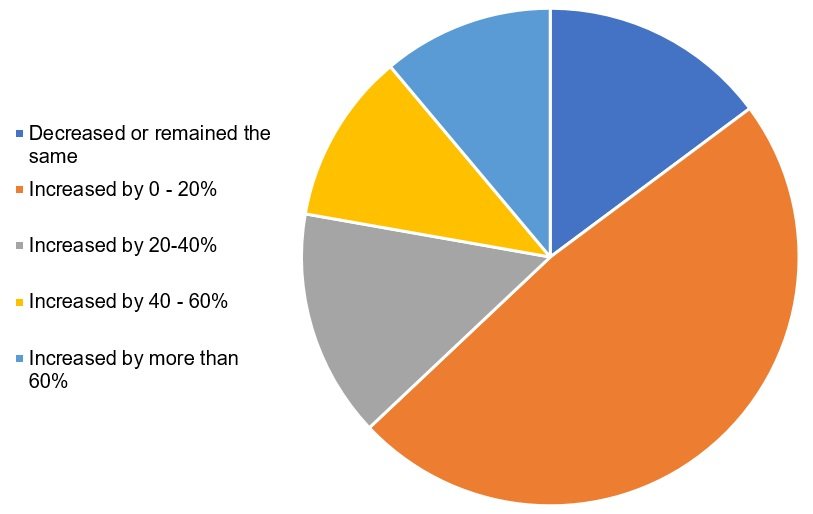
As the economy continues to change, food insecurity has become a major issue for many families, making them susceptible to growing expenses and unpredictable sources of income. Food banks have become vital community anchors in this difficult situation, offering stability, empathy, and useful assistance. They serve as lifelines that enable people and families to face challenging financial times with dignity, and their mission extends far beyond just providing food. The increasing number of individuals who depend on services at a Denver food bank to bridge the rising gap between need and cost makes its growing significance particularly evident.
Increasing Prices And Stress In The Home
Families throughout the nation are under more financial strain due to inflation, shifting employment markets, and rising housing costs. It is becoming more difficult for even stable families to regularly purchase wholesome meals. Food banks provide quick, free access to necessities, bridging this gap. They assist parents in putting meals on the table, the elderly in maintaining a nutritious diet, and kids in getting the nourishment they need to develop and remain well.
These organizations are under increasing pressure as expenses climb. Their capacity to effectively distribute food serves as a buffer during difficult financial times and prevents hunger from developing into a long-term problem. In the current economic environment, food banks play a crucial stabilizing function.
Assisting Busy Families With Unpredictable Obstacles
A prevalent misunderstanding is that food banks cater mostly to jobless people. In actuality, a significant percentage of people who are in need of aid are working families with irregular or inadequate incomes. Unexpected events, shortened workweeks, or sudden medical expenditures may rapidly make it difficult for a family to buy food.
Food banks provide an accessible, caring option. They assist families in regaining their footing without the shame attached to seeking assistance. By providing assistance during these erratic times, food banks help people be a part of their communities and avoid temporary difficulties from turning into long-term ones.
Enhancing The Health And Welfare Of The Community
One essential element of general health is having access to wholesome meals. Chronic health problems, poor academic performance in children, and elevated stress levels in adults are all consequences of poor nutrition. Food banks recognize this and strive to provide wholesome, well-balanced alternatives in addition to food.
Families may sustain healthier lives even in times of financial difficulty by consuming fresh vegetables, healthy grains, protein-rich foods, and pantry essentials. This emphasis on diet is crucial to the health of the community. Access to nutritious food improves a person’s capacity for employment, education, and full social participation. Food banks support a more robust and resilient community in this manner.
The Strength Of Local Collaborations And Volunteers
Because they unite communities, food banks flourish. Farmers, civic groups, local companies, and volunteers all contribute to keeping these resources accessible. Volunteers help turn generosity into practical aid by sorting contributions, packing boxes, and assisting food drives.
Food banks’ reach is also increased via partnerships. Local groups organize collecting activities, grocery shops give excess goods, and restaurants participate in food recovery initiatives. These partnerships cut waste while allocating important resources to those who need them. Even in challenging economic times, food banks are able to effectively meet rising demand through this network of assistance.
An Example Of Resilient Communities
People may experience feelings of loneliness or overwhelm due to economic uncertainties. Food banks provide a feeling of connection and optimism in response to this. Their offerings serve as a reminder that there is support from the community, even during the most trying times. The community is strengthened by the kindness of those who receive aid, who often return later as volunteers or benefactors.
This resilience is essential in the modern world. Food banks are quick to adjust as financial strains continue to change, growing their programs and coming up with new methods to meet a range of needs. They guarantee that assistance reaches every part of the community, whether via mobile distribution, geriatric outreach, or child-focused programs.
Conclusion
Food banks are now vital cornerstones of contemporary communities that strive diligently to guarantee that no one goes hungry alone. They are no longer only short-term assistance networks. The importance of these groups increases with the complexity of economic issues. They are essential partners in creating communities that are healthier, stronger, and more resilient because of their capacity to provide compassion, stability, and sustenance.