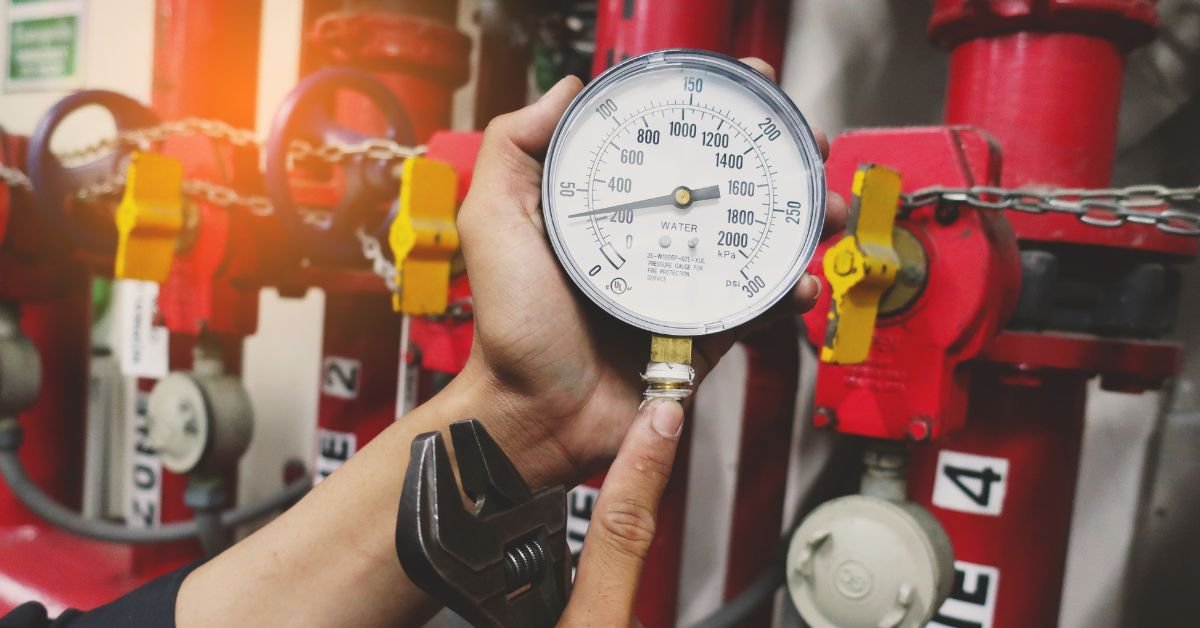
Pressure gauges are critical safety devices used in industrial processes, energy systems, medical gas distribution, chemical production, and hydraulic machinery. The accuracy of these instruments directly impacts operational safety, regulatory compliance, and the prevention of hazardous incidents. Over time, mechanical wear, diaphragm fatigue, temperature fluctuations, and vibration can cause measurement drift, potentially leading to incorrect pressure readings that compromise system integrity. Regular pressure gauge calibration ensures that readings remain reliable, precise, and traceable to recognized standards, which is essential not only for operational efficiency but also for maintaining compliance with safety regulations. In systems that handle flammable or high-pressure gases, adherence to Gas Safety protocols is particularly vital, as faulty readings can create serious risks. Ensuring all equipment is checked and certified under a Gas Safety Certificate provides documented assurance that the pressure gauges and associated gas systems meet the required safety standards, reducing the likelihood of accidents and supporting overall workplace safety.
Why Pressure Gauge Calibration Matters
A pressure gauge that reads incorrectly can create serious hazards. Under-reported pressure may allow a system to approach dangerous limits unnoticed, while over-reported pressure may cause premature shutdowns or unnecessary maintenance. In regulated environments—such as pharmaceuticals, oil and gas, and aerospace—pressure measurement accuracy is essential for meeting safety codes and documented quality procedures.
SIMCO provides calibration services designed to maintain precise instrument performance in demanding industrial environments. Their accredited processes help organizations demonstrate compliance with internal and external safety standards.
Key Standards for Pressure Gauge Calibration
Pressure gauge calibration is typically performed under standards such as:
- ASME B40.100 for pressure and vacuum instruments
- ISO/IEC 17025 for calibration traceability and documentation
- ANSI/NCSL Z540.1 for quality and accuracy control
Compliance with these standards ensures that calibration results are consistent, repeatable, and defensible during audits.
How Pressure Gauge Calibration Is Performed
The calibration process is highly controlled and includes several essential steps:
1. Inspection and Preparation
Technicians check gauges for cracks, corrosion, pointer misalignment, and mechanical binding. Gauges with compromised bourdon tubes or diaphragms may require repair before calibration.
2. Pressure Application Using Reference Standards
A precision deadweight tester or pressure controller applies known reference pressures across the gauge’s operating range. Each test point verifies:
- Accuracy
- Hysteresis
- Repeatability
The gauge’s output is compared against the reference to determine deviation.
3. Adjustment and Verification
If the gauge includes an adjustable pointer or internal mechanical adjustment, technicians correct errors and re-test. Mid-scale performance is especially critical, as many gauges operate primarily within this zone.
4. Documentation and Certification
Accredited calibration laboratories issue certificates containing:
- As-found and as-left data
- Measurement uncertainties
- Environmental conditions
- Reference standards used
This documentation is essential for safety records and regulatory inspections.
Pressure Gauge Calibration and Safety Compliance
Accurate pressure gauges help prevent system failures, leaks, and over-pressurization incidents. Many safety regulations require proof of periodic calibration as part of a facility’s risk-management strategy. Companies that maintain detailed calibration histories reduce liability exposure and improve operational reliability.
SIMCO supports customers by offering routine pressure gauge calibration services tailored to industrial and laboratory environments. Their focus on traceability, documentation, and consistent measurement quality ensures that pressure systems remain safe and compliant. Additional service information is available at https://www.simco.com/about-us/.