Traveling with your pet can be one of the most rewarding experiences for both of you. Whether you’re planning a road trip across the country, a flight to visit family, or a weekend camping getaway, bringing your furry companion along creates memories that last a lifetime. But pet travel requires careful planning to ensure your animal stays safe, comfortable, and healthy throughout the journey.
This guide covers everything you need to know about traveling with pets, from preparation and packing to navigating airports and finding pet-friendly accommodations. By the end, you’ll have the confidence and knowledge to make your next adventure together smooth and enjoyable.
Preparing for Pet Travel
Preparation is the foundation of successful pet travel. Start planning at least a few weeks before your trip to avoid last-minute stress.
Visit Your Veterinarian
Schedule a checkup to make sure your pet is healthy enough to travel. Your vet can also provide:
- Updated vaccinations and health certificates (required for air travel and crossing state or international borders)
- Preventative medications for fleas, ticks, and heartworms
- Advice on managing anxiety or motion sickness during the journey
- Microchip registration or updates to ensure your pet can be identified if lost
Research Your Destination
Not all places are equally welcoming to pets. Research local regulations, leash laws, and any breed restrictions that might apply. If you’re traveling internationally, check entry requirements well in advance, as some countries have strict quarantine rules.
Look for pet-friendly attractions, parks, and restaurants so you can plan activities that include your companion. Apps like BringFido can help you discover welcoming spots along your route.
Get the Right Gear
Invest in quality travel gear tailored to your pet’s needs:
- A sturdy, well-ventilated carrier or crate that meets airline standards if flying
- A comfortable harness and leash
- Collapsible food and water bowls
- A travel first-aid kit with bandages, antiseptic wipes, and any prescription medications
- Waste bags and cleaning supplies for accidents
- Comfort items like a favorite blanket or toy to reduce anxiety
Choosing Your Mode of Transportation
How you travel will significantly impact your pet’s experience. Each method has its own considerations.
Traveling by Car
Road trips offer the most flexibility and control. Your pet can take breaks, stretch their legs, and stay close to you throughout the journey.
Safety Tips:
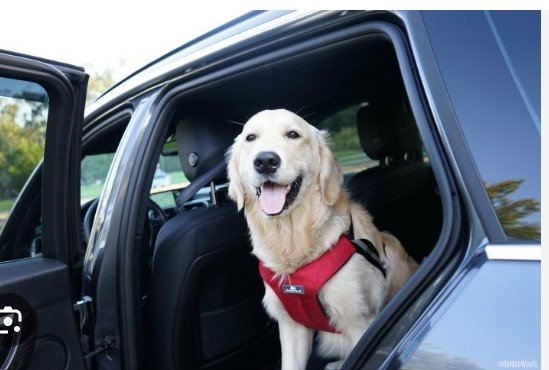
- Secure your pet in a carrier, crate, or with a pet seatbelt harness. Unrestrained animals can be injured in sudden stops or distracting to the driver.
- Never leave your pet alone in a parked car, especially in warm weather. Temperatures can rise dangerously fast, even with windows cracked.
- Plan frequent stops every two to three hours for bathroom breaks, water, and exercise.
- Keep the car well-ventilated and at a comfortable temperature.
Flying with Your Pet
Air travel can be stressful for animals, but sometimes it’s necessary. If your pet is small enough, they may be able to fly in the cabin with you. Larger pets typically travel in the cargo hold.
Before You Book:
- Check airline pet policies carefully. Each carrier has different rules regarding size limits, breed restrictions, and fees.
- Book direct flights when possible to minimize the time your pet spends traveling and reduce the risk of getting lost during transfers.
- Avoid peak travel times and extreme weather conditions. Cargo holds can become uncomfortably hot or cold.
At the Airport:
- Arrive early to allow extra time for check-in procedures.
- Attach clear identification labels to your pet’s carrier with your contact information and destination.
- Include a recent photo of your pet in case they get separated from you.
- Give your pet a light meal a few hours before departure to prevent nausea.
Train and Bus Travel
Some rail and bus services allow pets, though policies vary widely. Amtrak, for example, permits small cats and dogs on many routes, while Greyhound generally does not allow pets except service animals. Always verify the rules before purchasing tickets.
Finding Pet-Friendly Accommodations
Not all hotels and vacation rentals welcome pets, so booking accommodations in advance is essential.
What to Look For
Search for properties that explicitly advertise as pet-friendly. Major hotel chains like Kimpton, La Quinta, and Best Western tend to have generous pet policies, though fees and size restrictions may apply.
When booking vacation rentals through platforms like Airbnb or Vrbo, use the pet filter and read reviews from other pet owners. Confirm any restrictions or additional fees with the host before finalizing your reservation.
Being a Considerate Guest
Respect property rules and keep your pet well-behaved. Never leave them alone in the room for extended periods, as they may bark, scratch furniture, or have accidents. Bring a crate or playpen to create a safe space for your pet when you need to step out briefly.
Clean up after your pet and dispose of waste properly. If any damage occurs, report it immediately and offer to cover repair costs.
Managing Pet Anxiety During Travel
Travel can be overwhelming for pets, especially those not used to new environments and routines. Recognizing signs of stress and knowing how to comfort your animal is crucial.
Signs of Stress
Watch for:
- Excessive panting or drooling
- Trembling or shaking
- Whining, barking, or meowing
- Pacing or restlessness
- Loss of appetite
Calming Strategies
- Maintain your pet’s regular feeding and exercise schedule as much as possible.
- Bring familiar items like bedding, toys, or clothing with your scent.
- Use calming aids such as pheromone sprays, anxiety wraps, or calming treats (consult your vet first).
- Speak to your pet in a soothing voice and offer gentle reassurance.
- For severe anxiety, ask your veterinarian about anti-anxiety medications or sedatives.
Packing Essentials for Pet Travel
Don’t leave home without these must-have items:
- Food and treats (bring enough for the entire trip, plus extra in case of delays)
- Medications and a copy of prescriptions
- Health records and vaccination certificates
- Leash, collar with ID tags, and a spare leash
- Waste bags and litter supplies for cats
- Grooming tools like a brush or nail clippers
- Towels for cleaning up messes
- A recent photo of your pet in case they go missing
Staying Safe on the Road
Accidents and emergencies can happen, so it’s wise to be prepared.
Locate Emergency Veterinary Clinics
Before you leave, research veterinary clinics and emergency animal hospitals along your route and at your destination. Save their contact information in your phone.
Keep Identification Updated
Ensure your pet’s collar has current ID tags with your cell phone number. If your pet is microchipped, verify that the registry has your up-to-date contact information.
Stay Vigilant in Unfamiliar Places
Keep your pet on a leash in new environments until you’re confident they’re comfortable and secure. Be cautious around wildlife, unfamiliar dogs, and busy roads.
International Pet Travel
Crossing borders with your pet adds another layer of complexity. Requirements vary by country and can include quarantine periods, specific vaccinations, and import permits.
Start Early
Begin researching international pet travel requirements at least three to six months before your trip. Contact the embassy or consulate of your destination country for the most accurate and current information.
Work with a Pet Travel Service
If the process feels overwhelming, consider hiring a pet relocation service. These companies specialize in navigating international regulations and can handle logistics like booking flights, arranging health certificates, and coordinating customs clearance.
Making Pet Travel Enjoyable
Traveling with your pet doesn’t have to be stressful. With the right preparation, it can strengthen your bond and create unforgettable experiences.
Start with short trips to help your pet get used to travel. Gradually increase the distance as they become more comfortable. Reward good behavior with treats and praise to build positive associations.
Above all, be patient and flexible. Things won’t always go according to plan, but maintaining a calm and positive attitude will help your pet feel secure.
Ready to Hit the Road?
Pet travel opens up a world of possibilities for adventure and connection. By planning ahead, prioritizing your pet’s safety and comfort, and staying informed about regulations and best practices, you can ensure that every journey is a positive experience for both of you.
So pack those bags, grab the leash, and get ready to explore the world together. Your next great adventure awaits.