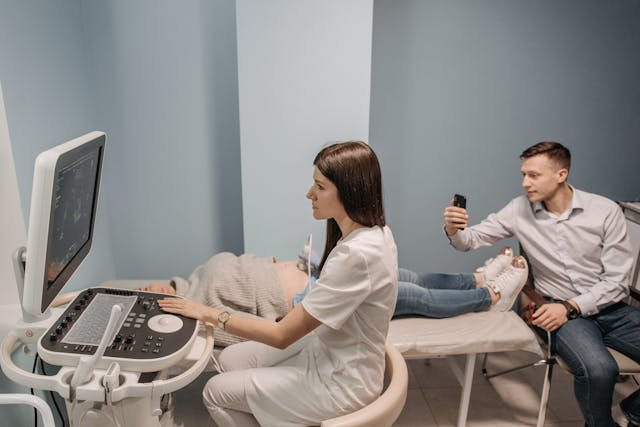
Healthcare today is no longer limited to treating illness alone. It has expanded into a system that focuses equally on prevention, early detection, patient comfort, and long term well being. People now expect care that is not only clinically sound but also transparent, accessible, and tailored to their individual needs.
This shift has pushed healthcare providers to rethink how services are delivered. From appointment scheduling to follow ups, every interaction plays a role in shaping patient trust. As awareness grows and access to information increases, patients are actively involved in their healthcare decisions rather than being passive recipients of treatment.
Preventive Care as the Foundation of Better Health
One of the most important developments in modern healthcare is the emphasis on prevention. Lifestyle related conditions such as diabetes, heart disease, and oral health problems often develop silently over time. Regular screenings and routine checkups help identify early warning signs before they become serious concerns.
Preventive care reduces the need for aggressive treatments and improves overall outcomes. It also lowers healthcare costs in the long run by minimizing emergency interventions. Patients who understand the value of preventive care tend to engage more consistently with healthcare providers and follow medical advice more closely.
Education plays a crucial role here. When individuals understand how daily habits affect their health, they are more likely to make informed choices that support long term wellness.
The Role of Primary and Specialized Care
Healthcare works best when primary care and specialized services are well coordinated. Primary care providers often serve as the first point of contact, addressing general health concerns and guiding patients toward appropriate specialists when needed.
Specialized care adds depth and expertise to this system. Whether it involves managing chronic conditions, performing advanced diagnostics, or delivering focused treatments, specialists help ensure that patients receive care suited to their specific condition.
For example, oral health is closely linked to overall health. Conditions like gum disease can affect heart health, blood sugar control, and pregnancy outcomes. This is why routine visits to a dental clinic form an important part of comprehensive healthcare, even though oral care is often overlooked until discomfort arises.
Technology Improving Access and Accuracy
Technology has transformed how healthcare is delivered and experienced. Digital health records allow seamless sharing of patient information, reducing duplication and errors. Teleconsultations have made healthcare more accessible for people in remote areas or those with mobility challenges.
Advanced diagnostic tools enable earlier and more accurate detection of disease. Imaging, laboratory automation, and data driven decision support systems help clinicians make informed choices quickly. These tools do not replace clinical judgment but enhance it by providing clearer insights into patient conditions.
Patients also benefit from technology through reminders, digital reports, and easy access to medical history. This transparency empowers individuals to stay engaged in their own care journey.
Patient Centered Care and Trust
Trust is the cornerstone of effective healthcare. Patients are more likely to follow treatment plans when they feel heard and respected. Clear communication, empathy, and honest guidance create an environment where patients feel comfortable discussing symptoms, concerns, and expectations.
Patient centered care recognizes that no two individuals are the same. Treatment plans are shaped not just by medical guidelines but also by personal circumstances, cultural beliefs, and lifestyle factors. This approach leads to better adherence and improved satisfaction.
Healthcare providers who invest time in building relationships often see better outcomes, as patients become active partners in maintaining their health.
The Importance of Integrated Healthcare Systems
As medical needs become more complex, integration across healthcare services becomes essential. Coordinated systems allow different departments and specialists to work together efficiently, reducing delays and confusion.
Integrated care ensures continuity, especially for patients with multiple conditions. From diagnosis to treatment and recovery, each stage is connected, creating a smoother experience for the patient.
Large healthcare institutions such as a Hospital often play a central role in this integration by bringing multiple specialties under one system, supported by standardized protocols and shared information networks.
Recovery, Rehabilitation, and Long Term Care
Healthcare does not end when treatment is completed. Recovery and rehabilitation are equally important phases that determine long term quality of life. Physical therapy, nutritional guidance, mental health support, and regular follow ups help patients regain strength and confidence.
Chronic condition management also requires ongoing support. Conditions like arthritis, asthma, and hypertension benefit from regular monitoring and lifestyle adjustments. Consistent care helps prevent complications and maintains stability.
Patients who receive structured follow up care often experience fewer relapses and better overall health outcomes.
Looking Ahead at the Future of Healthcare
The future of healthcare lies in personalization, collaboration, and prevention. Advances in genetics, artificial intelligence, and data analytics will allow care to be more precisely matched to individual needs.
At the same time, the human element remains irreplaceable. Compassion, ethical practice, and clear communication will always define quality healthcare. Technology and innovation are tools, but trust and understanding are what truly heal.
As healthcare continues to evolve, the focus remains clear. Supporting people not just during illness, but throughout their lives, helping them stay healthier, informed, and empowered.