In the bustling world of industry, the foundation upon which operations stand is crucial. Industrial flooring isn’t just about covering the ground; it’s about providing a robust, safe, and durable surface that can withstand the rigours of heavy machinery, high foot traffic, chemical spills, and other challenges unique to industrial environments. In this comprehensive guide, we’ll delve into various industrial flooring solutions, each tailored to meet the demanding needs of different industrial sectors.
Concrete Flooring
Concrete flooring stands as a cornerstone of industrial flooring solutions. Its unparalleled strength and durability make it a popular choice for warehouses, manufacturing plants, and distribution centres. Modern advancements have allowed for customization through techniques like polishing, staining, and epoxy coatings, enhancing not only durability but also aesthetics. Concrete floors are resistant to heavy loads, abrasion, and chemical spills, making them ideal for high-traffic industrial settings.
Epoxy Flooring
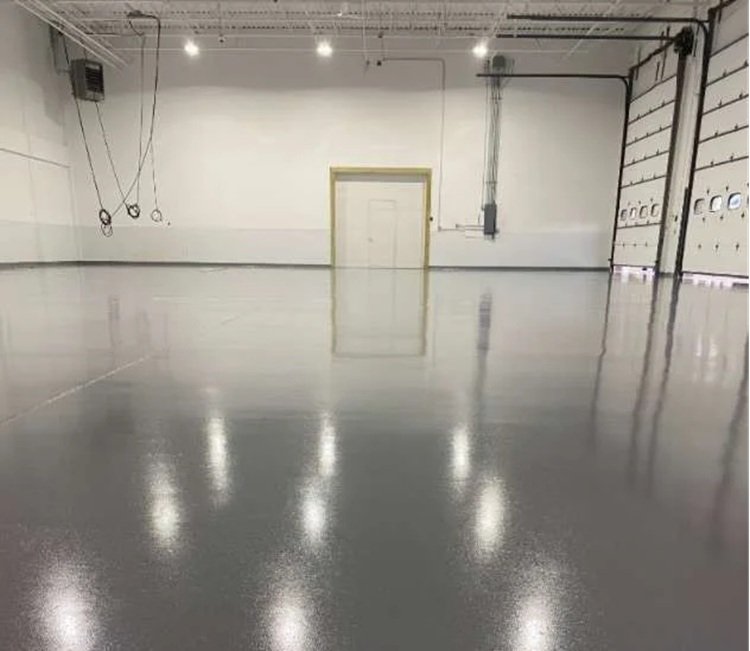
Epoxy flooring is a specialised solution known for its exceptional durability and chemical resistance. It consists of epoxy resin mixed with hardening agents, creating a tough, seamless surface that can withstand harsh industrial environments. This makes it an ideal choice for industrial epoxy flooring, providing a robust solution for industries such as food processing, pharmaceuticals, and automotive manufacturing, where cleanliness and hygiene are paramount. They are easy to clean, resistant to stains, and can be customised with anti-slip additives for enhanced safety.
Polished Concrete
Polished concrete is a refined version of traditional concrete flooring, offering a glossy, mirror-like finish that not only looks sleek but also improves light reflectivity and reduces energy consumption. It’s achieved through a multi-step process of grinding, honing, and polishing the concrete surface to create a smooth, durable, and low-maintenance floor. Polished concrete is well-suited for industrial spaces seeking a modern aesthetic combined with exceptional durability, such as retail warehouses, showrooms, and exhibition halls.
Rubber Flooring
Rubber flooring provides cushioning and resilience, making it an excellent choice for industrial sectors that prioritise employee safety and comfort. It absorbs impact, reduces fatigue, and provides insulation against noise and vibrations, making it suitable for areas with heavy machinery or assembly lines. Rubber flooring is commonly used in manufacturing plants, automotive workshops, and gymnasiums, where workers are on their feet for extended periods.
Resinous Flooring Systems
Resinous flooring systems encompass a range of coatings and toppings applied over concrete substrates to provide enhanced protection and performance. These systems include epoxy, polyurethane, and methyl methacrylate (MMA) coatings, each offering specific benefits such as chemical resistance, thermal shock resistance, and rapid curing times. Resinous flooring systems are prevalent in industries like chemical processing, electronics manufacturing, and healthcare facilities, where stringent hygiene standards and chemical exposure are concerns.
Metal Flooring:
Metal flooring, typically made of aluminium or steel, offers exceptional strength, fire resistance, and durability, making it suitable for heavy-duty industrial applications. Metal floor panels are commonly used in environments where cleanliness, hygiene, and static control are critical, such as cleanrooms, laboratories, and electronics manufacturing facilities. Metal flooring can be customised with various surface treatments to provide anti-slip properties and corrosion resistance, ensuring long-term reliability in demanding industrial settings.
Modular Flooring
Modular flooring systems consist of interlocking tiles or panels made from materials like PVC, polypropylene, or composite materials. These versatile systems offer quick installation, easy maintenance, and flexibility to accommodate changing layouts or expansions. Modular flooring is commonly used in industrial settings like warehouses, workshops, and garages, where rapid installation and durability are essential. They provide a durable, non-slip surface that can withstand heavy loads and vehicle traffic.
Anti-Static Flooring
Anti-static flooring is designed to dissipate static electricity safely, protecting sensitive electronic equipment and preventing electrostatic discharge (ESD) hazards. These specialised flooring solutions typically incorporate conductive materials or static-dissipative additives to regulate electrical conductivity. Anti-static flooring is essential in industries such as electronics manufacturing, semiconductor fabrication, and telecommunications, where static electricity can damage sensitive components or disrupt operations.
- Carpet Tiles: Carpet tiles offer versatility, durability, and design flexibility for businesses seeking comfort and style. With a wide array of colours, patterns, and textures available, carpet tiles allow you to create a customised look that aligns with your brand identity. Ideal for offices, retail spaces, and hospitality environments, carpet tiles provide sound insulation properties and easy maintenance, enhancing both aesthetics and functionality.
- Vinyl Flooring: Vinyl flooring is a cost-effective and resilient option suitable for high-traffic commercial areas. Available in various styles, including luxury vinyl tiles (LVT) and vinyl plank flooring, vinyl offers durability, water resistance, and easy maintenance, making it perfect for retail stores, healthcare facilities, and educational institutions.
- Hardwood Flooring: Hardwood flooring exudes elegance and sophistication, making it an ideal choice for upscale businesses. While requiring more maintenance, hardwood floors offer timeless appeal and durability, creating a warm and inviting ambiance in boutique stores, restaurants, and luxury hotels.
- Laminate Flooring: Laminate flooring provides the look of hardwood or stone at a fraction of the cost, making it a budget-friendly option for businesses. Scratch-resistant and easy to clean, laminate flooring is suitable for a variety of commercial applications, including retail spaces, offices, and hospitality venues.
- Ceramic Tile: Ceramic tile flooring offers durability, moisture resistance, and versatility in design. With a plethora of colours, patterns, and sizes available, ceramic tiles are suitable for high-traffic areas such as bathrooms, kitchens, and entryways, providing both functionality and style.
Conclusion
Industrial flooring solutions are essential components of modern industrial facilities, providing a solid foundation for productivity, safety, and efficiency. Whether it’s the strength and durability of concrete, the chemical resistance of epoxy, or the cushioning of rubber, each flooring option is tailored to meet the specific needs of different industrial sectors. By selecting the right flooring solution, industrial businesses can optimise their operations, enhance workplace safety, and ensure long-term performance in dynamic and demanding environments.