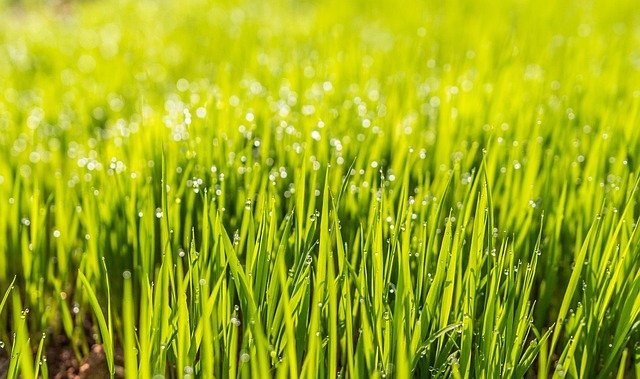
A healthy, lush lawn can increase the house’s curb appeal, creating a cozy outdoor area. Choosing and correctly planting grass seeds are critical aspects of lawn care. You must follow the suitable timing and technique, whether working on the bare patches or the entire area. With proper grass seed planting, you can avoid issues like mud and dust accumulation and soil erosion. The surrounding home environment can become calmer, and groundwater quality can improve, creating a safer zone for kids and pets. Even basic seeding work demands you spend at least 6 to 8 hours on a 10,000 sq ft area. Time will be reduced if the overall lawn size is smaller. Still, it’s an extensive task requiring utmost care and perfection.
In Pennsylvania, companies like JHL Turf Pros are available. They offer comprehensive lawn maintenance services for homes, commercial properties, and athletic fields. You can engage them for essential lawn care jobs and seek guidance. Nevertheless, here is a quick view of what goes into planting grass seeds to understand its complications.
- Grass seed selection
The choice of grass should align with the climactic conditions, the lawn’s growing environment, and your expectations. You get various types of seeds on the market, but not everything is equal. As a result, the lawn may not look as green as you would wish. Cool-season grasses will suit your lawn since you reside in the northern region. Additionally, you have to consider factors like exposure to sunlight and shade. While some grass species can grow in shade, others die without sunshine. Some grass types require frequent fertilization and mowing, while a few low-maintenance options may need frequent weeding. Before choosing seeds, homeowners must also consider how they plan to use their lawns. If you want to host parties and fun activities there, something like seashore paspalum, perennial ryegrass, and other high-traffic grasses will be helpful. These are also pet-friendly.
Another vital step is to analyze the lawn’s health before reseeding begins. Suppose the lawn has fungal and pest problems. In that case, you would need seeds that can withstand these unfavorable conditions efficiently. Also, the quantity of seed will have to be correctly decided.
- Ground preparation
Clear the planting area by removing all types of debris so grass seeds can properly germinate and roots can develop. This will include weed control and soil grading. Typically, a 1—or 2-percent slope works better than a flat surface. One must also test the soil’s nutrients and pH levels to create the perfect grass environment. This will also help select the right fertilizer that can supply the essential nutrients. Factors like grass growth, root development, drought resistance, and disease resistance will be handled.
- Grass seed planting
For successful germination, seeds must be evenly spread and covered. Straw or other suitable materials can be spread on the seeded area. After this, works like watering, mowing, and weeding can be done.
If you don’t want to risk your lawn, hire professionals. They can also guide you through overseeding, which is effective for lawns with patchy or thin grass growth. Aging or damaged lawns can especially benefit from this.