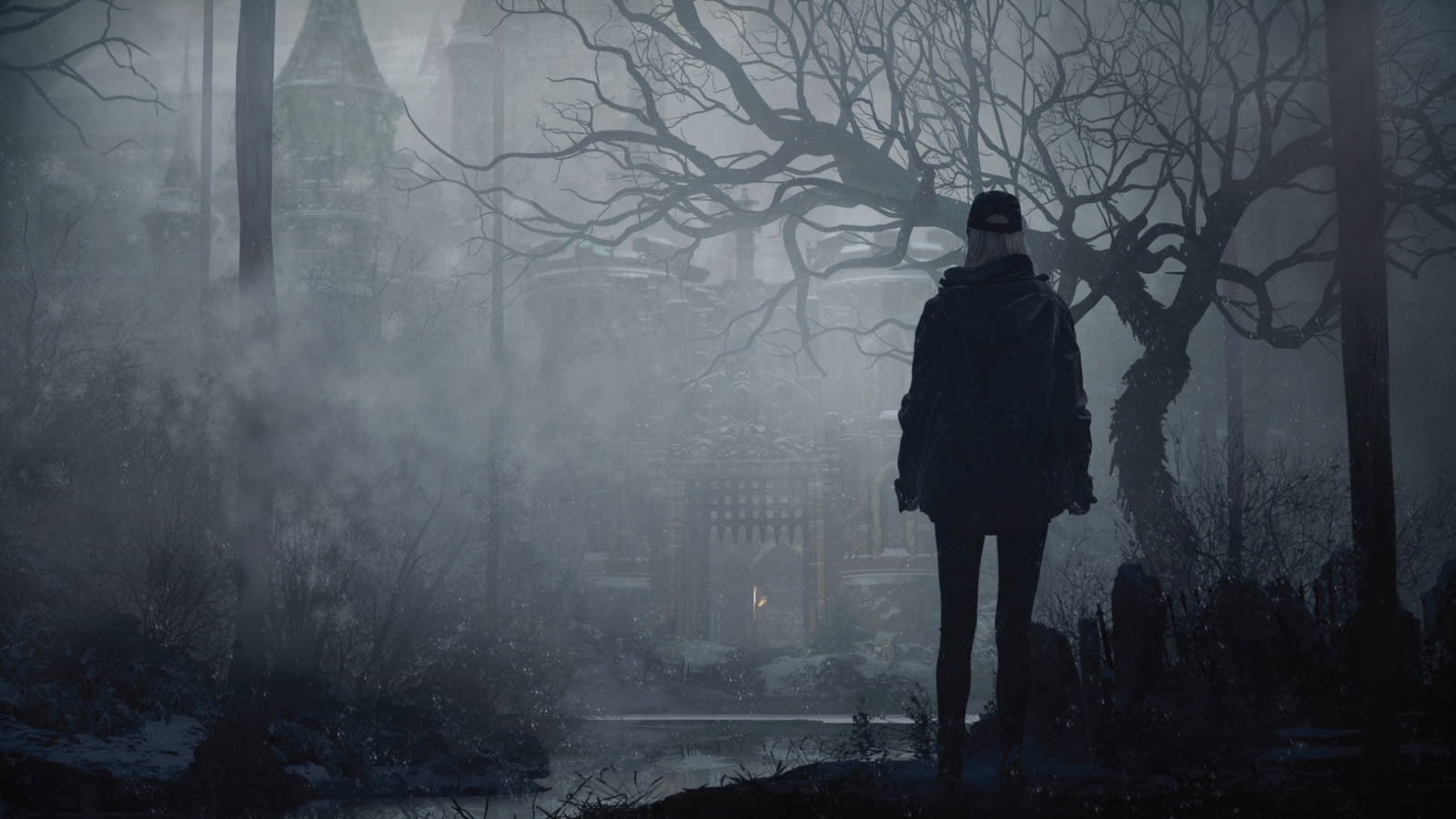
Resident Evil Requiem — the ninth mainline entry in the franchise — dropped on February 27, 2026, and the gaming world collectively held its breath. Could this storied series, one that practically invented modern survival horror, still deliver genuine dread in an era where players have seen everything? The short answer is yes. The longer answer is far more interesting.
How to Get Playing
PC players looking to jump in should look at grabbing a Resident Evil 9 Steam key through LootBar store, which has become a trusted name for gamers who want fast, reliable access to the titles they want at prices that make sense. The process is simple, delivery is quick, and the shop track record speaks for itself across a massive catalog of games.
For anyone who has been on the fence, now is a good time to stop waiting. A Resident Evil 9 Steam key gives immediate access to everything the game has to offer — no disc, no delay, and no complications. LootBar store consistently delivers a smooth experience whether someone is buying for the first time or adding to an existing library they have built up over the years.
Raccoon City, Revisited
Here is what most people do not know about Requiem going in: it is not just another monster-filled adventure with a new face at the center. This game makes a deliberate return to the wound that started it all — the destruction of Raccoon City.
Set in October 2026, nearly three decades after that catastrophic outbreak, the story brings players back to familiar ground in a way that feels less like nostalgia and more like confronting something unresolved. The ruins are not pretty. They are not glamorized. They feel like a place people died, and the game never lets anyone forget that.
Two characters carry this story on their shoulders. The first is Grace Ashcroft — an FBI intelligence analyst who is quiet, sharp, and carrying the kind of grief that shapes a person in ways they do not always recognize. Her mother was Alyssa Ashcroft, the journalist whose reporting helped collapse the Umbrella Corporation. Grace arrives at a derelict Midwest hotel to investigate a string of unexplained deaths, only to slowly realize this is the exact location where her mother was killed eight years ago. The personal stakes hit differently when the horror is that specific.
Then there is Leon S. Kennedy — older, harder, and still standing after everything the series has thrown at him. His presence in Requiem is not just fan service, though longtime players will feel something when he walks back through the doors of the Raccoon City Police Department. It is closure dressed up as a video game level, and it works beautifully.
Two Different Flavors of Fear
What makes Requiem genuinely interesting from a design standpoint is how differently the two protagonists play. Capcom did not just give each character a separate story — they gave them a separate philosophy.
Grace’s gameplay is pure, suffocating survival horror. Ammunition is rare. Enemies are unpredictable. Running is often smarter than shooting, and knowing which option to choose in a split second is half the challenge. She carries the ability to analyze creatures around her, reading their behavior to determine whether a fight is worth having. Her most unusual mechanic — using infected enemy blood to craft tools, ammunition, and powerful injectors — keeps resource management tense throughout.
Leon’s sections breathe differently. They are faster, louder, more explosive. Roundhouse kicks, supplex takedowns, and firefights that escalate quickly. For players who came to love Resident Evil 4, his chapters will feel like home. For those who found RE4 a bit much, Grace’s quieter, more methodical segments will be the highlight.
The two storylines interweave rather than run parallel, which keeps the pacing from ever getting stale. Just when one tone starts to feel familiar, the perspective shifts.
A standout feature is the fully flexible camera. Players can toggle freely between first-person and third-person at any point — not just at the menu, but mid-game, mid-corridor, mid-panic. First-person drags players deeper into Grace’s claustrophobic terror. Third-person gives the kind of spatial awareness Leon’s combat sequences demand. It sounds like a small thing, but in practice it fundamentally changes how the game feels moment to moment.
The Monsters Are Good. Genuinely Good.
Director Koshi Nakanishi, who previously helmed Resident Evil 7, understands something about horror that gets overlooked — the scariest thing is rarely what attacks. It is what follows.
The primary stalker in Requiem is a bulge-eyed, relentless creature that pursues Grace through several sections of the game. It does not sprint at her. It does not jump from ceilings. It simply… persists. Always somewhere behind her. Always visible just long enough to keep the dread alive. The basement sequences have already developed a reputation among players and critics as some of the most psychologically exhausting moments in recent survival horror history.
Small design choices compound the tension throughout. Grace’s hands shake when she aims. When she runs from something for too long, she stumbles. These are not random animations — they are the game communicating her emotional state through physicality rather than dialogue. It is the kind of detail that separates competent horror from exceptional horror.
A Franchise That Earned This Moment
Over five million wishlists before launch. Critical praise across the board since release. Resident Evil Requiem is landing like something the series has been building toward for years.
That is not hyperbole. The callbacks to earlier games — reimagined locations, returning lore threads, the T-Virus finally back at the center of the story — feel earned because the game treats them seriously. Nothing here is there just to make fans cheer. Every piece of the past is used to move the present story forward, and the result is something that functions equally well as a standalone experience and as a thirty-year payoff.
Worth Every Minute of Dread
Resident Evil Requiem does what the best entries in this series have always done — it finds a new way to make familiar horror feel personal. Grace Ashcroft is a protagonist who earns her place in franchise history not through spectacle but through vulnerability. Leon Kennedy gets the send-off his legacy deserves. And Raccoon City, that ruined monument to everything this series has been built on, finally gets to mean something again.