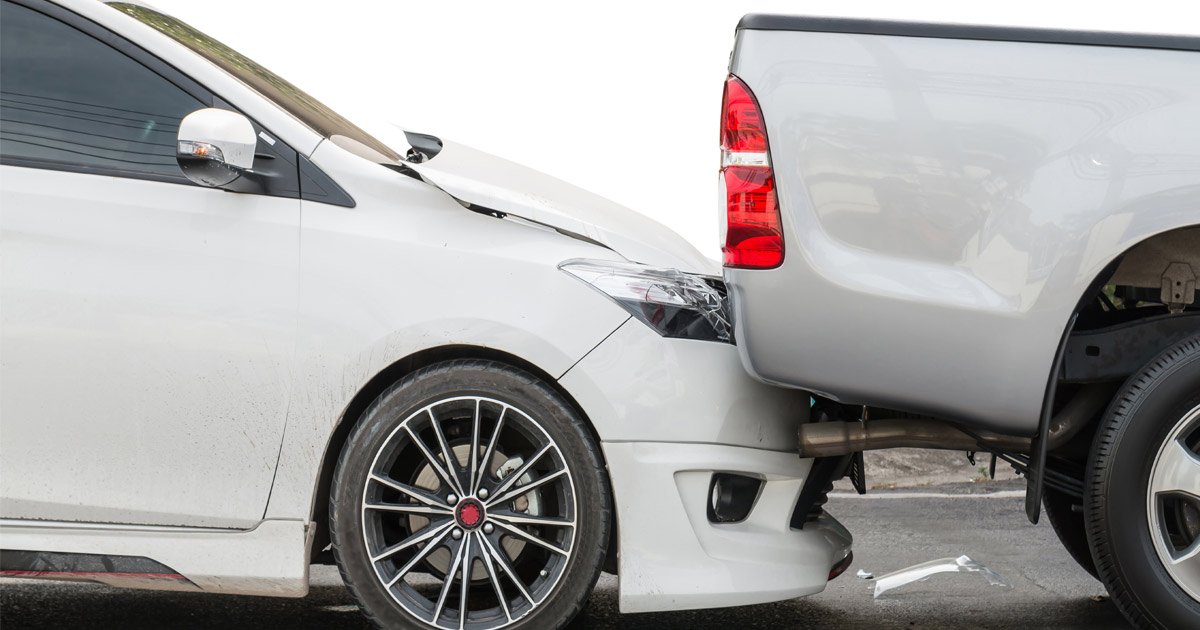
Rear-end collisions are among the most common types of car accidents on Pennsylvania roads. They happen at intersections, in stop-and-go traffic, on highway on-ramps, and in parking lots. The conventional wisdom is that the driver who rear-ends another vehicle is always at fault. While this is true in many cases, the reality under Pennsylvania law is more nuanced than most people realize.
Understanding how fault is determined in rear-end collisions, the exceptions to the general presumption, and how comparative negligence applies can help you protect your rights whether you are the driver who was hit or the driver who is being blamed.
The General Presumption of Fault
In Pennsylvania, there is a well-established presumption that the rear driver in a rear-end collision is at fault. This presumption is based on the principle that every driver has a duty to maintain a safe following distance and to be prepared to stop when the vehicle ahead slows or stops.
Under 75 Pa.C.S. § 3310, Pennsylvania’s following too closely statute, a driver must not follow another vehicle more closely than is reasonable and prudent, taking into account the speed of both vehicles, traffic conditions, and the condition of the highway. A rear-end collision is often viewed as prima facie evidence that the following driver was not maintaining a safe distance.
However, this presumption is rebuttable. The rear driver can present evidence showing that they were not negligent or that the lead driver’s actions contributed to the accident.
When the Lead Driver Shares Fault
There are several scenarios in which the lead driver may bear partial or even primary responsibility for a rear-end collision.
• Sudden and unnecessary stops. If the lead driver stops abruptly for no legitimate reason, such as brake-checking another driver or stopping suddenly on a highway without cause, they may share fault for the resulting collision.
• Malfunctioning brake lights. If the lead vehicle’s brake lights are not working, the following driver may not have adequate warning that the vehicle ahead is slowing or stopping. The lead driver has a legal duty to maintain functioning signal lights.
• Merging or lane changes. If a driver cuts in front of another vehicle and then immediately brakes, the driver who was rear-ended may actually be at fault for creating the dangerous situation.
• Reversing unexpectedly. A driver who backs up in traffic or on a roadway and is struck from behind is generally at fault, not the other driver.
• Distracted driving by the lead driver. If the lead driver was distracted and caused an initial collision that led to a chain reaction, their inattention may be the primary cause of the rear-end impact.
Multi-Vehicle Pileups and Chain Reaction Crashes
Rear-end collisions frequently involve more than two vehicles, particularly on busy highways and during adverse weather conditions. In a chain reaction crash, determining fault becomes significantly more complex.
Consider a scenario where Vehicle A stops suddenly, Vehicle B rear-ends Vehicle A, and then Vehicle C rear-ends Vehicle B, pushing Vehicle B into Vehicle A again. In this situation, Vehicle C may bear the primary fault for following too closely, but Vehicle B may also share responsibility if they were also too close to Vehicle A. Vehicle A could share fault if they stopped without justification.
Pennsylvania’s comparative negligence rule under 42 Pa.C.S. § 7102 allows fault to be distributed among all parties. An an Easton injury attorney experienced in multi-vehicle accident cases can help untangle the liability issues and ensure that fault is allocated fairly based on the evidence.
Evidence That Determines Fault in Rear-End Collisions
Because the presumption of fault falls on the rear driver, the evidence used to establish what actually happened is critical.
• Police accident reports. Officers document the scene, note any citations issued, and sometimes include their assessment of fault based on physical evidence and witness statements.
• Dashcam and surveillance footage. Video evidence can clearly show following distances, brake light functionality, sudden lane changes, and driver behavior leading up to the crash.
• Witness testimony. Independent witnesses who observed the accident can corroborate or contradict the accounts of the drivers involved.
• Vehicle damage patterns. The location and severity of damage on each vehicle can help accident reconstruction experts determine speeds, angles of impact, and the sequence of events.
• Electronic data recorders. Many modern vehicles have black box data that records speed, braking input, and other parameters in the seconds before a collision.
Common Injuries in Rear-End Collisions
Despite the perception that rear-end collisions are minor fender benders, they frequently cause serious injuries, especially at higher speeds.
• Whiplash and soft tissue injuries. The sudden forward-and-backward motion of the head and neck can cause sprains, strains, and tears in the cervical spine area. Symptoms may not appear for hours or days after the accident.
• Herniated discs. The force of a rear-end impact can cause spinal discs to herniate, leading to chronic pain, numbness, and potential need for surgical intervention.
• Concussions and traumatic brain injuries. Even without a direct blow to the head, the rapid acceleration and deceleration of the brain within the skull can cause concussion symptoms.
• Back and spinal cord injuries. More severe impacts can cause fractures, compressed vertebrae, or damage to the spinal cord itself.
Comparative Negligence in Rear-End Cases
Pennsylvania’s modified comparative negligence system means that fault in a rear-end collision is not necessarily all or nothing. If the lead driver is found to be 20 percent at fault for stopping without warning and the rear driver is 80 percent at fault for following too closely, the rear driver’s damages would be reduced by 80 percent, and the lead driver could recover 80 percent of their damages.
The 51 percent bar rule applies here as well. If the lead driver is found to be 51 percent or more at fault, they cannot recover any damages. This makes the fault determination in rear-end cases particularly important for both parties.
Protecting Your Rights After a Rear-End Collision
Whether you were rear-ended or you are the driver accused of causing a rear-end collision, taking the right steps immediately after the accident is essential. Document the scene with photographs, exchange information with the other driver, get contact details from witnesses, and seek medical attention even if you feel fine initially.
Avoid admitting fault at the scene, as the full picture of what happened may not be clear until all the evidence has been reviewed. The presumption against the rear driver is strong, but it can be overcome with the right evidence, and the lead driver’s own actions may have contributed to the crash in ways that are not immediately obvious.