However, healthy communities rely not just on hospitals and health care professionals, but also on the capacity of people to grasp the impact of their daily decisions and the environment on wellbeing. Community awareness of public health issues enables communities to make informed decisions for health, reduce the risk of disease transmission and build safer communities. Once individuals have an understanding of basic health practices and use them they are more likely to have behaviors that keep them and others safe from disease. Advocacy for good health also facilitates collaboration among persons, schools, community groups, and governments to tackle shared public health issues that impact populations.
As per info for public health education , community health knowledge has a significant role in the reduction of illness, better living standards, and bettering healthful societies. Public health education involves disseminating accurate information to support education and awareness about health issues and risks, and to inform the public of prevention measures, in addition to the medical treatment of disease. Public health campaigns are efforts designed to educate people about their health and promote sustainable lifestyles through sanitation, vaccination awareness, safe food handling, hygiene, and environmental health.
Recognize the significance of public health education
Public health education is significant because it attempts to prevent a disease from spreading throughout the community. Prevention is one of the best measures to keep large populations from having unnecessary health issues while medical treatment is needed to keep people healthy if they become sick. Public health campaigns educate people about the transmission of disease, the importance of hygiene, and the effect of environmental factors on health. This understanding enables communities to better react to health challenges and keep populations healthy.
Health education also enables individuals to identify the signs and risk factors for common diseases. People who are aware of risk factors and understand how infections are transmitted or how poor environmental conditions can impact health are more likely to take protective measures to safeguard their health and that of others. Health education is shared through school, health education centres, community groups and media campaigns, leading to better health-related habits in everyday life.

Another significant advantage of public health education is that it enables people to actively engage in enhancing community wellbeing. When individuals are able to learn why recommendations on hygiene, food safety, waste disposal and personal health practices are made, they are better able to make informed decisions. In communities that have high awareness, people are more likely to have knowledge of prevention and community cooperation during an outbreak or environmental health crisis.
In addition, public health education plays a crucial role in social and economic development over the long term, since a healthier community is more productive and less fraught with the disruptions that come from high rates of morbidity. Health education helps create more resilient and robust societies, by raising awareness and promoting prevention.
This covers the importance of sanitation in preventing disease
The other most crucial base of public health is sanitation as unhygienic sanitation may spread harmful bacteria, viruses and parasites. Other measures to minimize disease-causing organism exposure include proper disposal of waste, clean toilets, drainage and cleanliness. Poor sanitation can help spread disease that can be transmitted via contaminated surfaces, water, food, or human waste in densely populated areas in particular.
Waste will attract insects and rodents with diseases when allowed to build up in living areas. Improper disposal of waste into open areas, blocked sewerage systems, and inadequate sewage collection and treatment can pollute water bodies and pose health risks to people. Public health education is important in ensuring that communities are aware of how to keep their environment clean and properly dispose of waste to minimize these risks.

Personal hygiene practices are closely linked to sanitation as the clean environment enables good daily living. Good sanitation adds value to handwashing, good food hygiene and general cleaning. Collective responsibility can be promoted through community cleanup efforts and environmental awareness programs, as they can demonstrate that shared environments impact the health and safety of all.
Access to good sanitation also brings dignity, comfort and quality of life. Safe homes, schools and workplaces are fostered through access to clean toilets, waste collection systems, and hygienic living conditions. Public health education promotes the importance of a clean environment – cleanliness for appearance, cleanliness for health benefits.
A healthy environment and health for the community
Clean water is vital to support health as it is used for drinking, cooking, bathing and sanitation, and for food preparation. Bacteria, viruses and parasites can be carried by contaminated water and lead to an increased risk of waterborne diseases in communities. Public health education is important to informing the population of the role of unsafe water in causing illness and the need for clean water to prevent diseases and maintain good health.
Preventative practices such as the use of boiling water and adequate storage and prevention of contamination of water sources are common practices encouraged by health awareness programmes. When communities are aware of the significance of water hygiene, they are more likely to follow safer practices to minimise contact with harmful microorganisms. Clean water also promotes good health habits, like handwashing and bathing, which also help prevent diseases.

Water safety is also linked to environmental protection as pollution, trash dumping and poor sanitation may pollute rivers, lakes and groundwater resources. Proper care of local water supplies is a key component in many public health messages about sustaining healthier communities. Schools and community groups can also conduct outreach about the importance of conserving clean water resources for the future and responsible use of water.
More than just for disease prevention, access to clean water enhances the daily lives of people by providing comfort, productivity and better living conditions overall. The healthier the water supply, the fewer disruptions communities will face due to illness, and the better their long-term wellbeing may be as a result of environmental health conditions.
Becoming immunized and community protection
Improving awareness of vaccines is a crucial component of public health education as it helps to educate communities about the role of vaccines in preventing disease and maintaining population health. Vaccines are products made to help the body’s defence mechanisms to recognize and act more effectively against specific diseases. When combined with routine vaccinations, public health campaigns frequently deliver educational content around vaccination schedules, community protection and the contribution vaccines make to decrease the spread of communicable diseases.
Community awareness programmes educate people about the importance of vaccination programmes in health promotion. Educational activities can include correcting misconceptions, providing information about how immunization works, and promoting informed decision-making using trusted health resources. These efforts are particularly important in times when there is a rapid spread of infectious diseases in the population.

Vaccination awareness also underscores the need for safeguarding the most vulnerable people in communities such as babies, older adults and those with low immune systems. The public health message frequently involves cooperation and collective responsibility because the less disease spread the better for the community. Much educational information about vaccination awareness and disease prevention is shared with schools, health care providers, media and community groups.
Public health education offers the public with basic knowledge on the advantages of vaccination, and awareness, but also helps to draw attention to the need for advice from competent health care providers for personal health choices. Responsible communication and accurate information are key to helping communities understand the preventive health measures without fear or misinformation.
Health Education Campaigns and Community Engagement
Health education campaigns are significant for raising awareness as they provide practical information to a wide audience via schools, media, health service providers, workplaces and community activities. The campaigns frequently include subjects like hygiene, sanitation, nutrition, prevention of disease, environmental health and healthy lifestyle behaviors. Health campaigns spread the information and reach a large population, giving communities the chance to change their lifestyles for the better and increase their awareness of the public health concerns.
Educational campaigns work best with simple, clear, and understandable language, that can be directly related to daily-life. These important health messages are reinforced through community workshops, posters, radio programs, social media campaigns and school lessons. Having community voices influence and engage with the public through meaningful actions can be beneficial for public engagement and understanding, and local leaders and organisations may have valuable roles to play in encouraging this.

Public health campaigns are also used to aid in emergency response during disease outbreaks or environmental problems. Good communication of accurate information can minimize confusion and ensure that communities can take preventive measures more effectively. In times of health crises, effective communication can make a huge difference in minimizing the risk of spreading misinformation that might worsen the situation or cause panic.
Community involvement is still needed as many public health improvements require more than just an individual person to accomplish. The more people realize what they can do to help others, the more willing they are to do so in areas of cleanup, health screening, education, and other efforts to promote safer and healthier communities for all.
Informed Communities make a difference in improving living conditions
Communities where people are aware of the importance of public health can enjoy better living conditions because educated people have the ability to do things which are less harmful to their health and will improve the environment. Education promotes the importance of hygiene, waste disposal, safe water usage and preventive health habits for general health. These developments can help decrease the number of sick days, boost participation in school, enhance productivity in the workplace, and improve social stability in communities.
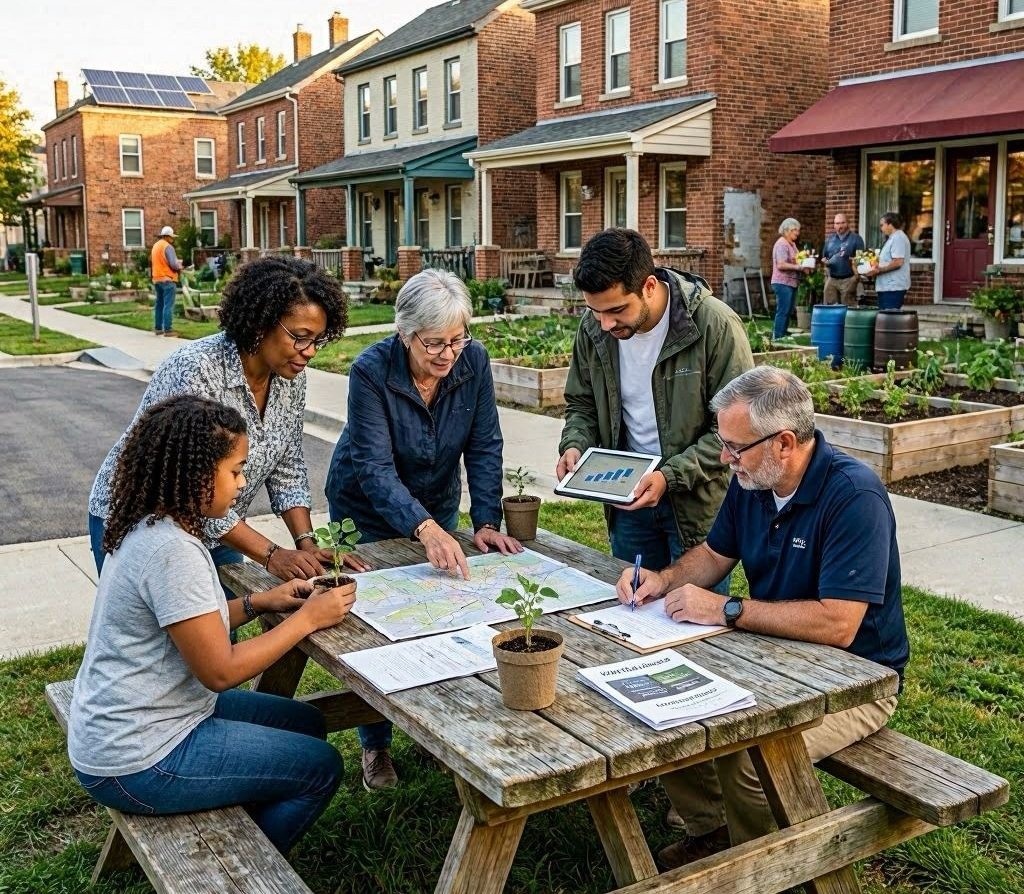
Health education also fosters collaboration between citizens, schools, health care providers, and local government in response to common concerns. Engaging community in sanitation initiatives, environmental clean-up projects and awareness campaigns can result in safer public spaces and healthier communities. Having a good health awareness can also help people to reach medical help earlier if symptoms occur which can minimize the potential for serious illness or the spread of infection.
During health crises, informed communities tend to be better equipped to react as they are aware of preventive actions and the need for accurate information. When communities have confidence in health education programs, they are better able to respond calmly and effectively during outbreaks or environmental hazards. The ongoing public health education helps to build social resilience, improve health and well-being among all age groups.
Conclusion
The public health education is an important tool to protect communities by raising awareness among individuals of the types of diseases that can be transmitted and the importance of taking measures to make it easier to live a healthy life. These initiatives encompass various health-related areas, including sanitation, clean water, hygiene awareness, vaccination campaigns, and health education. They include topics like sanitation, clean water, hygiene, vaccination awareness, and health education campaigns, all contributing to the mitigation of health risks and the enhanced well-being of the community. Individuals are better equipped to make informed decisions to protect themselves and others when they have access to reliable health information.
Educating the community about public health promotes cooperation, hygienic settings, and healthier lifestyles, which is beneficial to the entire community. There are many opportunities for spreading important health information that can help create a safer life and the wellbeing for individuals and communities, including those of schools, healthcare providers, governments, and community leaders! Investing in health education and promoting informed communities yields a number of benefits, including the ability to decrease disease risks; promote better quality of life; and build healthier communities for the next generation.