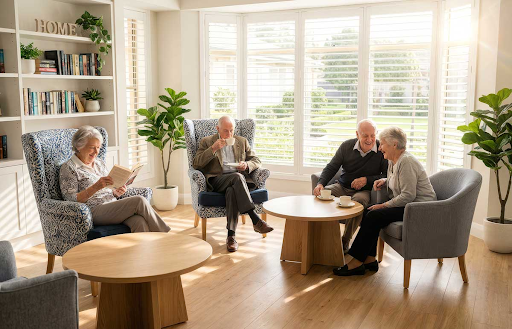
Infection prevention is one of the most critical priorities in aged care environments. Residents in senior living communities and long-term care facilities often have weakened immune systems, making them more vulnerable to healthcare-associated infections. While hygiene protocols, staff training, and cleaning procedures are essential, furniture selection also plays a significant role in creating a safer and healthier environment.
Choosing the right furniture can help reduce contamination risks, simplify cleaning processes, and support compliance with healthcare regulations. For facility managers, designers, and procurement professionals, understanding how furniture contributes to infection control is key to maintaining high standards of care.
Why Furniture Matters in Infection Prevention
Furniture is one of the most frequently touched elements within aged care facilities. Chairs, tables, armrests, and communal seating areas experience constant daily use from residents, visitors, and staff.
Poorly designed furniture can harbor bacteria, viruses, and other contaminants in seams, cracks, and porous surfaces. Over time, these hidden areas become difficult to sanitize effectively, increasing the risk of cross-contamination.
Selecting healthcare-focused furniture helps minimize these risks by incorporating materials and construction methods specifically designed to support hygiene and infection control.
Prioritizing Non-Porous and Easy-to-Clean Materials
The choice of materials directly impacts how effectively furniture can be cleaned and disinfected. Non-porous surfaces prevent moisture absorption and reduce opportunities for microbial growth.
High-Performance Upholstery
Modern healthcare upholstery is engineered to withstand frequent cleaning with hospital-grade disinfectants. These materials resist staining, moisture penetration, and bacterial accumulation while maintaining comfort for residents.
Healthcare-grade vinyl and advanced coated fabrics are commonly used because they provide a protective barrier against spills and contaminants without compromising aesthetics.
Seamless Surface Design
Furniture with minimal seams, joints, and decorative detailing is easier to sanitize thoroughly. Complex designs may create hidden spaces where dirt and pathogens accumulate.
Smooth surfaces allow cleaning teams to disinfect furniture more efficiently and consistently, supporting stronger infection-control outcomes across the facility.
The Importance of Durability in Healthcare Settings
Infection prevention depends not only on cleanliness but also on furniture durability. Damaged surfaces can become breeding grounds for bacteria and are often difficult to disinfect properly.
Scratches, tears, and chipped finishes create openings where contaminants can collect. High-quality furniture designed for healthcare and senior living environments maintains its integrity despite constant use and regular cleaning.
Manufacturers specializing in aged care furniture focus on durable construction methods that preserve hygiene standards throughout the product lifecycle, reducing replacement costs and maintenance challenges.
Supporting Cleanliness and Medical-Grade Standards
When evaluating furniture for infection prevention, buyers should look beyond appearance and focus on performance characteristics that align with healthcare requirements.
Furniture designed according to Cleanliness and medical-grade standards typically incorporates:
- Antimicrobial and moisture-resistant materials
- Easy-to-disinfect surfaces
- Durable finishes resistant to harsh cleaning agents
- Reduced seams and crevices
- Construction methods that support long-term hygiene
These features help facilities establish environments that are both comfortable for residents and practical for infection-control teams.
Choosing the Right Seating for Resident Safety
Seating is particularly important because residents spend a significant amount of time in chairs located in dining rooms, lounges, activity spaces, and private rooms.
Easy-to-Sanitize Armchairs
Armchairs should feature cleanable upholstery and accessible surfaces that allow thorough disinfection between uses. Furniture that supports quick cleaning can significantly improve operational efficiency.
Moisture-Resistant Construction
In aged care settings, accidental spills and incontinence-related incidents can occur. Moisture-resistant seating helps prevent contaminants from penetrating internal materials, reducing odor development and bacterial growth.
Ergonomic Support
While infection prevention is a priority, comfort cannot be overlooked. Ergonomically designed seating promotes proper posture, mobility assistance, and resident well-being while maintaining hygiene standards.
Furniture Design Features That Reduce Contamination Risks
Several design elements can further strengthen infection-control efforts.
Raised Furniture Frames
Furniture elevated from the floor simplifies cleaning underneath and around seating areas. This helps housekeeping teams remove dust, debris, and potential contaminants more effectively.
Welded Metal Frames
Metal frames with welded joints offer fewer areas for bacterial buildup compared to designs with multiple exposed connections. They also provide exceptional durability in high-traffic environments.
Rounded Edges and Smooth Finishes
Rounded profiles eliminate difficult-to-clean corners and support safer movement throughout the facility. Smooth finishes enable faster and more effective surface disinfection.
Partnering with Specialized Aged Care Furniture Manufacturers
Not all commercial furniture is suitable for healthcare and senior living environments. Specialized aged care furniture manufacturers understand the unique challenges associated with infection prevention, resident safety, durability, and regulatory compliance.
Manufacturers such as Yumeya Furniture focus on producing healthcare and senior living furniture that balances hygiene, comfort, and longevity. By incorporating healthcare-oriented materials and construction techniques, they help facilities create environments that support both operational efficiency and resident well-being.
Conclusion
Preventing infections in aged care environments requires a comprehensive approach that extends beyond cleaning protocols alone. Furniture selection plays a vital role in reducing contamination risks, supporting sanitation procedures, and maintaining safe living spaces for vulnerable residents.
By investing in durable, easy-to-clean, healthcare-focused furniture, aged care providers can strengthen infection-control strategies while enhancing comfort, safety, and quality of life. Thoughtful furniture choices contribute directly to healthier environments and help facilities meet the demanding standards expected in modern senior care settings.


This is my first time pay a quick visit at here and i am really happy to read everthing at one place
Çok yararlı bi yazı olmuş hocam teşekkür ederim .Sizin yazılarınızı beğenerek okuyorum elinize sağlık.