Key Takeaways
- Regular inspections and cleanings are essential to prevent hazardous creosote buildup.
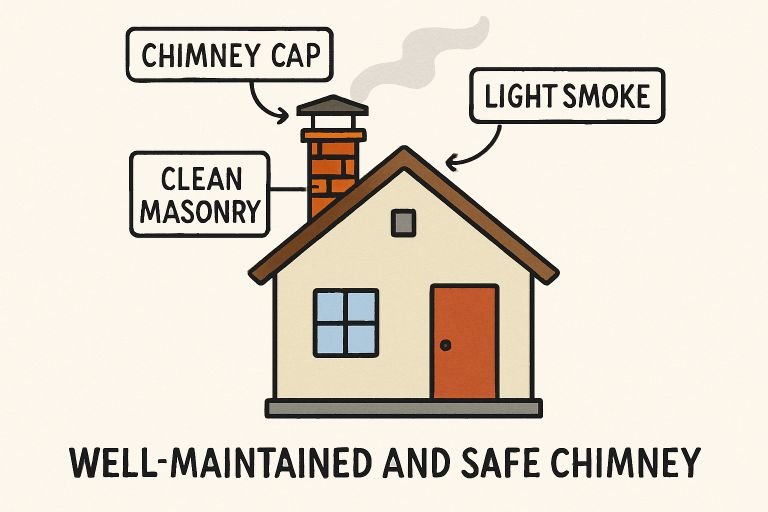
- Installing a chimney cap can protect against debris and animal intrusions.
- Addressing minor masonry cracks promptly can prevent costly structural damage.
- Using seasoned hardwood reduces creosote formation and enhances burning efficiency.
- Professional assessments are recommended to ensure comprehensive chimney health.
Chimney maintenance is more than just keeping your home neat. It plays a critical role in ensuring the overall safety and efficiency of your living space. Neglected chimneys are at risk for a variety of issues that can lead to hazardous conditions, costly repairs, and reduced heating efficiency. By practicing proactive care and remediation, you protect both your property and the well-being of those inside. For homeowners seeking hassle-free upkeep and peace of mind, comprehensive services like Ottawa Chimney Repair Solutions offer the expertise required to identify and resolve chimney vulnerabilities before they escalate.
Ignoring minor signs such as small cracks, debris in the fireplace, or excess smoke can set the stage for far more significant challenges down the road. The good news is that many of the most common chimney problems are entirely preventable with regular attention and maintenance. Taking early action not only preserves your chimney but also keeps your indoor environment safe from smoke and pollutants that can result from a blocked or compromised flue.
Regular Inspections and Cleanings
Arranging for annual chimney inspections is one of the most effective ways to prevent hidden dangers. During these evaluations, certified professionals look for issues such as creosote buildup, a major culprit in chimney fires, as well as signs of blockages or wear that might otherwise go unnoticed. The National Fire Protection Association recommends having your chimney and fireplace inspected annually.
Keeping your chimney clean also prevents soot buildup and blockages. These obstructions can allow dangerous gases, like carbon monoxide, to seep back into your home. By identifying ventilation concerns and regularly removing flammable creosote, you not only avoid physical damage but also safeguard against health hazards associated with poor air circulation.
Installing a Chimney Cap
One of the simplest solutions for chimney maintenance is installing a chimney cap. This seemingly small feature safeguards your chimney against rain, snow, leaves, and even curious animals that might try to nest inside. Left uncovered, your chimney can become blocked, leading to smoke backup, trapped gases, or even water damage in your flue and fireplace. The cap acts as a filter, maintaining proper airflow while keeping debris and pests out. According to experts cited by CBS New York, adding a cap can virtually eliminate the risk of flammable blockages and minimize drafts that could affect home heating efficiency.
Addressing Masonry Cracks
Chimneys are constantly exposed to weather and temperature changes, which eventually cause bricks and mortar to crack or crumble. Timely repair of even the smallest cracks is essential. When moisture enters these gaps, it can freeze and expand during cold weather, accelerating the damage and threatening the structural integrity of your chimney. Regularly scheduled inspections will highlight areas that need tuckpointing or mortar replacement, helping you address these vulnerabilities before they worsen. Prompt attention to masonry issues ensures the chimney remains stable and prevents water from leaking into the home.
Using Seasoned Hardwood
The type of firewood you choose has a direct impact on how well your chimney functions. Burning seasoned hardwood, which has been allowed to dry for at least 6 months, results in a cleaner, hotter burn with less smoke and residue. Fresh, green, or unseasoned wood contains moisture that releases more particulates and creosote, dramatically increasing the risk of chimney fires. Sticking to properly seasoned hardwoods like oak or maple not only reduces buildup in the flue but also improves heating efficiency, requiring less frequent cleanings and repairs. Guidance on the best firewood for long-term chimney care is available from reliable sources such as Consumer Reports.
Professional Assessments
While many quick checks and minor maintenance tasks can be handled by diligent homeowners, certain inspections and repairs require specialized knowledge. Certified chimney sweeps have the training to spot early warning signs of deterioration, handle complex cleaning needs, and recommend targeted repairs that go well beyond what is visible or accessible to laypersons. Annual assessments not only identify current issues but also help map a proactive care plan to keep your chimney healthy year-round. Trusting professional expertise ensures that nothing is overlooked and that your home remains protected from fire, smoke, and structural risks.
Conclusion
The most effective way to prevent chimney problems is to adopt a proactive approach that combines regular inspections, comprehensive cleaning, preventive installations, and high-quality fuel. Timely repairs of masonry cracks, installation of protective chimney caps, and reliance on seasoned hardwood all help ensure a trouble-free heating season. Whenever possible, turn to established, professional services for detailed assessments and thorough repairs. These preventive steps not only extend the life span of your chimney but also provide peace of mind, knowing your indoor environment will remain safe and free from unexpected hazards for years to come.