Picture this: you’re halfway up a sun-drenched trail, sweat dripping down your neck, wishing for even the faintest breeze to cut through the relentless heat. For outdoor enthusiasts, battling high temperatures isn’t just uncomfortable — it can genuinely dampen the experience of activities you love, from hiking and camping to festival-going and backyard picnics.
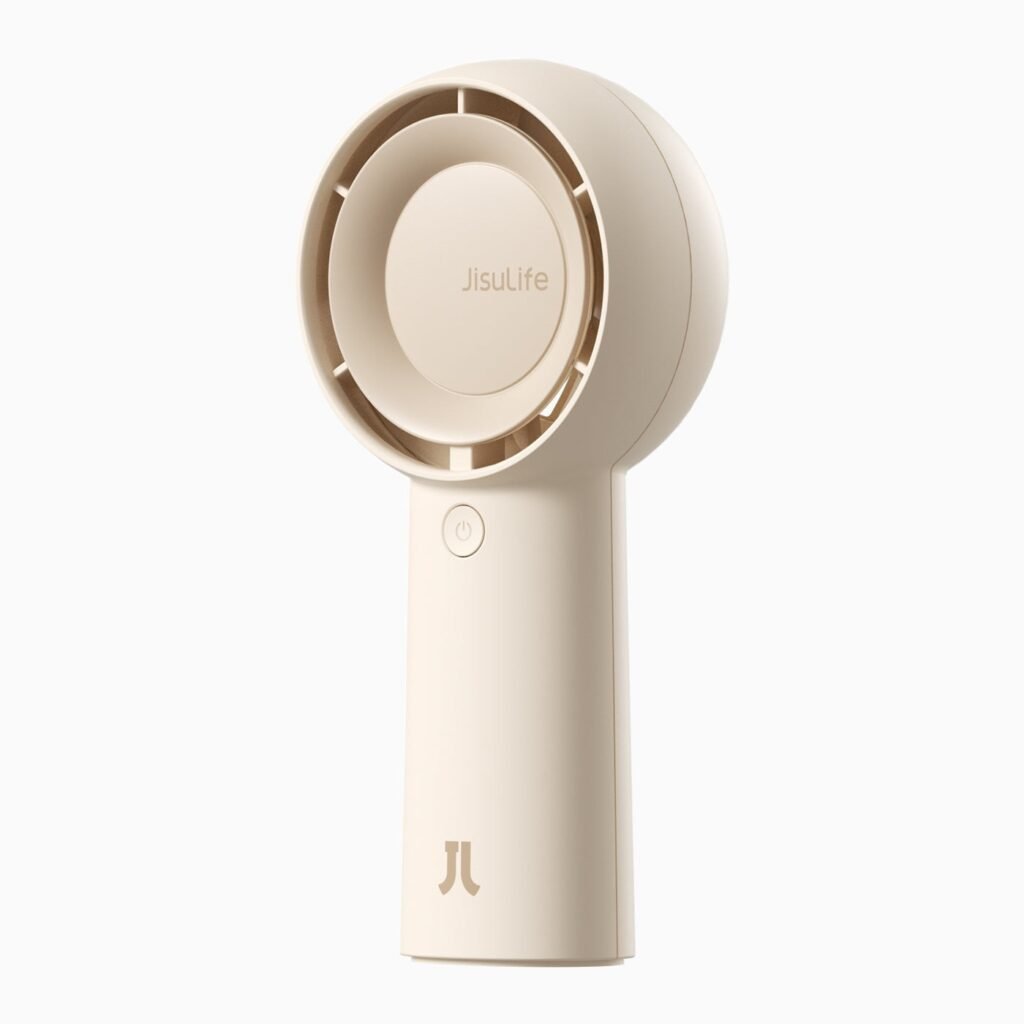
Traditional cooling methods fall short outdoors. Ice melts, shade disappears, and bulky electric fans are simply not an option when you’re miles from the nearest outlet. That’s where the portable handheld turbo fan steps in as a game-changing solution. Compact enough to slip into a pocket yet powerful enough to deliver a steady, refreshing airflow, these innovative devices are redefining personal cooling on the go.
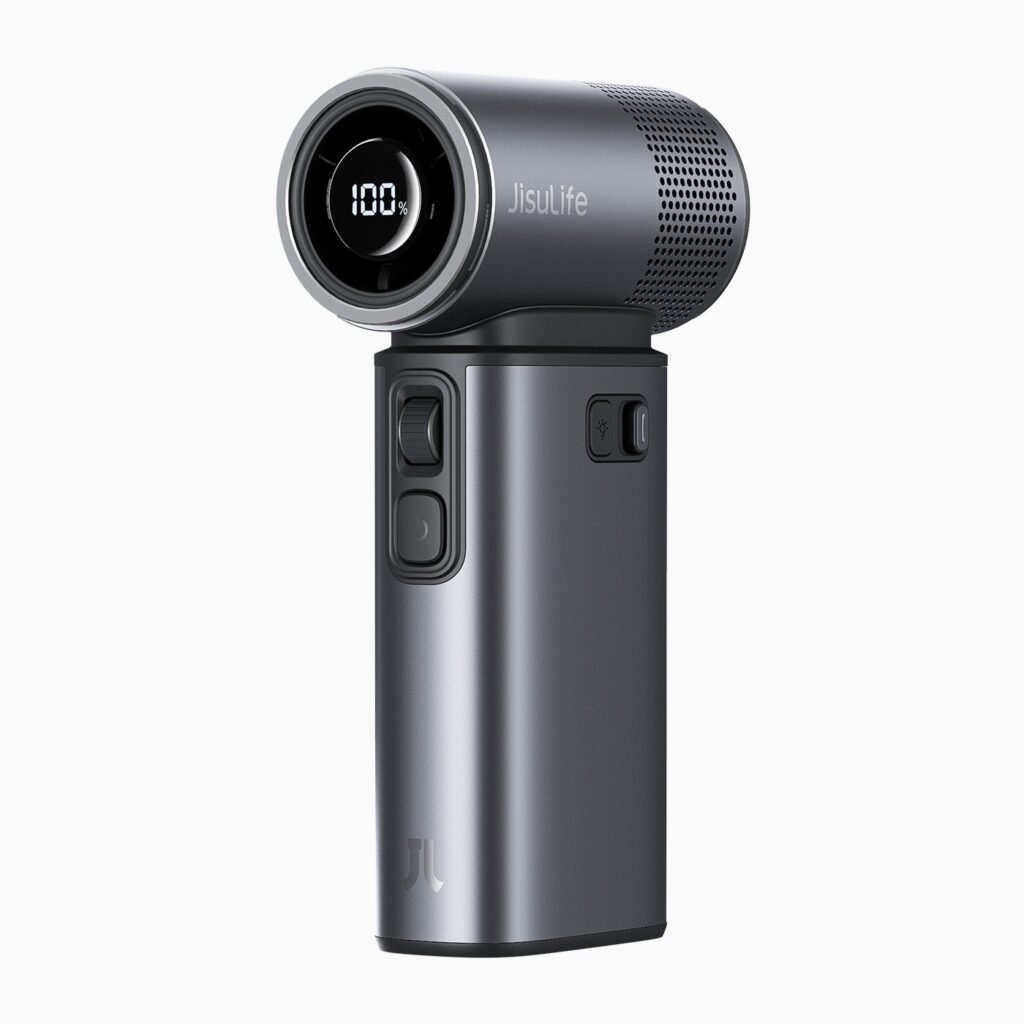
Modern handheld turbo fans combine advanced motor technology with lightweight construction, offering impressive airflow without the noise or bulk you’d expect. Many models run on rechargeable batteries, making them ideal for extended outdoor use. Whether you’re seeking relief during a strenuous hike or simply want to stay cool at an outdoor concert, this guide will walk you through everything you need to know to find your perfect portable cooling companion.
What is a Portable Handheld Turbo Fan? An In-Depth Look
A portable handheld turbo fan is a compact, battery-powered personal cooling device designed to deliver concentrated airflow directly to the user. Unlike conventional desk or ceiling fans that circulate air across a room, these mini fans focus their output in a targeted stream, making them far more efficient for personal use on the move. The term “turbo” refers to the fan’s enhanced motor design, which spins blades at higher revolutions per minute than standard portable fans, generating noticeably stronger airflow from a surprisingly small housing.
At their core, handheld turbo fans consist of three primary components: a brushless DC motor, aerodynamically optimized blades, and a lightweight outer housing. Brushless motors are the real differentiator here — they run more efficiently, generate less heat, and last significantly longer than older brushed motor designs. The blade geometry in turbo models is engineered to maximize air displacement with each rotation, which is why these fans can outperform larger, conventional portable handheld fans despite their smaller footprint.
Key Features That Define Modern Handheld Fans
Today’s handheld turbo fans pack an impressive range of features into their slim profiles. Most models offer multiple speed settings — typically two to four levels — letting users dial in exactly the airflow they need without draining the battery unnecessarily. Safety is addressed through enclosed blade guards or bladeless designs that eliminate the risk of finger injuries, a particularly important consideration during active outdoor use. Housing materials typically combine ABS plastic with rubberized grip panels, striking a balance between minimal weight and resistance to the drops and bumps that come with outdoor adventures. Some premium mini fans, including options from JisuLife, also include a foldable or swivel head, allowing users to angle airflow precisely where it’s needed most.
Top Benefits of Portable Handheld Fans for Outdoor Enthusiasts
When you’re deep in the outdoors, every ounce in your pack and every decibel of noise matters. Portable handheld turbo fans address both concerns while solving the fundamental problem of personal heat management without tethering you to a power source. Rechargeable fans with USB-C inputs can top up from a power bank during a lunch break on the trail, meaning you’re never without cooling relief even on multi-day excursions. Beyond convenience, these devices genuinely improve safety — sustained heat exposure during strenuous activity raises the risk of heat exhaustion, and a targeted burst of airflow during rest stops can meaningfully accelerate your body’s natural cooling process.
Lightweight Design for Ultimate Portability
Most handheld turbo fans weigh between two and five ounces, roughly equivalent to a granola bar. That negligible weight means you can clip one to a carabiner, drop it in a hip belt pocket, or tuck it into a festival bag without ever noticing the extra load. At a backyard picnic or outdoor concert, the compact form factor means it sits comfortably in your hand for extended periods without causing fatigue, and foldable designs collapse flat for effortless storage between uses. The portability advantage isn’t just about physical weight — it’s about removing any mental friction between you and staying cool.
Quiet Fans: Enjoying Nature Without Disturbance
One of the most underappreciated qualities of modern handheld turbo fans is how quietly they operate. Brushless motor technology keeps noise output remarkably low — typically between 25 and 45 decibels depending on the speed setting — which is quieter than a normal conversation. For hikers who stop to listen to birdsong, campers who don’t want to disturb neighboring sites, or festival attendees trying to hear the stage, this matters enormously. A fan that roars like a hair dryer defeats half its purpose outdoors. With a quiet fan running on its lower settings, you get steady, soothing airflow that complements the natural soundscape rather than competing with it.
How to Choose the Best Portable Handheld Turbo Fan: A Buyer’s Guide
Choosing the right handheld turbo fan comes down to matching the device’s capabilities to your specific outdoor lifestyle. A casual picnic-goer has very different needs from a serious backpacker logging ten-mile days in desert heat. Before committing to a purchase, consider three core factors: how long the fan needs to run between charges, how quietly it operates, and how comfortably it fits into your existing gear setup. Getting these three elements right means the difference between a fan you reach for constantly and one that gathers dust at the bottom of your bag.
Evaluating Battery and Charging Options
Battery performance is arguably the most critical spec to scrutinize. Look for a fan with a built-in lithium-ion battery rather than disposable AA or AAA cells — rechargeable models are more cost-effective over time and far more convenient in the field. Pay close attention to runtime at each speed setting, not just the maximum quoted figure, which typically reflects the lowest speed. A fan claiming eight hours of battery life might only deliver two to three hours at the high setting you’ll actually use during peak afternoon heat. USB-C charging has become the standard worth prioritizing, since it means one cable charges your fan, phone, and power bank. If you’re planning multi-day trips, confirm the fan is compatible with portable power banks so you can recharge without hunting for an outlet.
Assessing Noise Levels and Performance
Manufacturers don’t always publish decibel ratings, so look for independent reviews that test noise output across all speed settings. As a practical benchmark, anything under 40 decibels at medium speed qualifies as genuinely quiet — comparable to a library environment. On the performance side, airflow is measured in cubic feet per minute (CFM); a higher CFM rating means more air moved per second and more effective cooling during rest stops or stationary moments. Brands like JisuLife have built their reputation around achieving exactly this balance, with turbo blade designs engineered to deliver focused, high-CFM airflow while keeping noise levels impressively low. Test reviews that describe the airflow as “focused” rather than “diffuse” are a good signal that the turbo blade design is working as intended. Balancing strong airflow against low noise output is the sweet spot — and the fans that achieve it are worth the extra research.
Practical Solutions: Using Your Portable Fan in Outdoor Activities
Knowing which fan to buy is only half the equation — getting the most out of it in the field requires a bit of strategy. Whether you’re hitting a mountain trail, setting up a campsite, or spreading a blanket at a summer picnic, a few simple habits can dramatically amplify the cooling effect your handheld turbo fan delivers. The goal isn’t just to have the fan running; it’s to use it at the right moments and in the right ways so that every charge lasts as long as possible while keeping you genuinely comfortable.
Step-by-Step Guide for Hiking and Camping
Start by packing your fan in an easily accessible pocket rather than burying it at the bottom of your bag — you want it available within seconds when you stop for a break, not after a five-minute excavation. During active hiking, conserve battery by keeping the fan off while moving; your forward momentum already generates airflow. Reserve it for rest stops, pointing it directly at your neck and face where blood vessels sit close to the skin and cooling is most effective. On the trail, pair the fan with a damp bandana against your neck to amplify the evaporative cooling effect significantly. For camping, prop the fan on a flat surface or clip it to a tent loop during meals or evening downtime rather than holding it continuously, which saves both battery and arm fatigue. Recharge proactively — plug into your power bank during lunch rather than waiting until the battery is nearly depleted, ensuring you always have full power available for the hottest part of the afternoon.
Care and Maintenance for Long-Term Use
A handheld turbo fan that’s properly maintained will reliably serve you through multiple seasons of outdoor adventures. After each outing, use a soft dry brush or a can of compressed air to clear dust and debris from the blade guard and motor vents — clogged vents force the motor to work harder, shortening both runtime and lifespan. Avoid rinsing the fan under water even if it carries a splash-resistant rating; instead, wipe the outer housing with a lightly dampened cloth. For battery longevity, avoid storing the fan fully discharged; a charge level between 40 and 80 percent is ideal for long-term storage. Keep it in a cool, dry location away from direct sunlight, which can degrade both the battery cells and the plastic housing over time.
Stay Cool, Stay Smart: Making the Right Fan Choice
A portable handheld turbo fan isn’t just another gadget to toss in your gear bag — it’s a genuine quality-of-life upgrade for anyone who spends meaningful time outdoors. From the brushless motor technology that powers efficient, focused airflow to the featherlight construction that makes carrying one a non-issue, these compact devices punch well above their weight when it comes to personal comfort in the heat.
The key benefits are worth keeping in mind as you shop: prioritize rechargeable models with USB-C compatibility for seamless power management on multi-day adventures, seek out fans with verified quiet operation so you stay cool without disrupting the natural environment around you, and choose a form factor that integrates naturally into your existing outdoor routine — whether that’s a clip-on design for a hiking pack or a foldable model that slips into a festival bag.
Armed with the guidance in this article, you’re well-positioned to make a confident, informed choice rather than settling for the first option you encounter. The right handheld turbo fan will quietly become one of those pieces of gear you wonder how you ever managed without — keeping you cooler, safer, and more comfortable through every outdoor adventure that lies ahead.