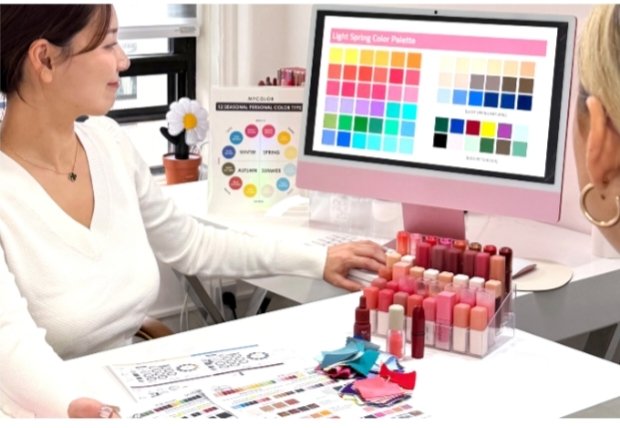
Choosing the right colors can transform the way you approach personal styling. The shades you wear influence how your clothing coordinates with your natural features and can help create a balanced, polished appearance. However, finding colors that complement your skin, eyes, and hair can be challenging when fashion trends and product choices constantly change.
Personal color analysis offers a practical way to understand which shades work best with your natural appearance. By evaluating skin undertone, eye color, hair color, and overall contrast, a professional can help identify a personalized color palette for clothing, makeup, accessories, and hair styling.
For individuals interested in color analysis NYC services, this process provides an opportunity to make more confident fashion decisions and develop a wardrobe that reflects their natural features and personal preferences.
What Is Personal Color Analysis?
Personal color analysis is a styling method used to identify colors that harmonize with an individual’s natural appearance. Instead of selecting shades based only on personal taste or current fashion trends, the process considers how different colors interact with the skin, eyes, and hair.
A professional color analysis NYC generally evaluates three important characteristics:
- Undertone: Determines whether your natural coloring appears warm, cool, or neutral.
- Depth: Identifies whether your overall features are light, medium, or deep.
- Clarity: Evaluates whether bright, clear colors or softer, muted shades create better visual harmony.
These characteristics help determine which color families may complement your natural features.
Personal color analysis is not about restricting your wardrobe. It provides guidance that makes it easier to choose colors while leaving room for individual creativity.
Understanding Your Skin Undertone
Skin undertone is one of the most important elements of personal color analysis. It refers to the underlying color beneath the surface of your skin, which can remain relatively consistent even when your skin becomes lighter or darker due to sun exposure.
There are three common undertone categories.
Warm Undertones
Warm undertones often have golden, peachy, or yellow characteristics. People with warm undertones may find that earthy and golden shades complement their appearance.
Some suitable color options include:
- Coral
- Peach
- Warm beige
- Mustard yellow
- Olive green
- Terracotta
- Golden brown
These shades can create harmonious combinations with naturally warm coloring.
Cool Undertones
Cool undertones often have pink, rosy, or bluish characteristics. Cooler colors may create a balanced appearance for individuals with this type of coloring.
Popular options include:
- Lavender
- Powder blue
- Berry
- Cool pink
- Emerald green
- Navy blue
- Soft gray
These shades can provide useful options for clothing, makeup, and accessories.
Neutral Undertones
Neutral undertones generally contain a balance of warm and cool characteristics. Individuals with neutral undertones may have more flexibility when selecting colors from different palettes.
Potential options include:
- Soft white
- Dusty rose
- Teal
- Neutral beige
- Muted green
- Soft navy
- Balanced brown shades
A professional color analysis session can help determine which variations work best rather than relying on general undertone guidelines alone.
How Eye Color Influences Your Personal Palette
Eye color is another important factor in personal color analysis. Although skin undertone receives considerable attention, the eyes also contribute to the overall appearance and contrast of an individual.
A color analyst may evaluate whether your eyes appear light, deep, warm, cool, or muted.
For example:
- Blue eyes: May look harmonious with certain cool blues, soft pinks, and complementary warm shades.
- Green eyes: Can be complemented by plum, burgundy, muted green, and selected earthy tones.
- Brown eyes: May work well with warm neutrals, teal, olive, and rich jewel tones.
- Hazel eyes: Can be complemented by colors that bring attention to their different green, brown, or golden characteristics.
- Gray eyes: May coordinate well with cool neutrals, soft blues, and muted shades.
These are general styling suggestions rather than fixed rules. A person’s complete coloring matters more than eye color alone.
Choosing Hair Colors That Complement Your Features
Hair color can influence the overall balance of your appearance. Natural hair color is considered during color analysis because it contributes to the depth, warmth, and contrast of your features.
A professional may evaluate whether your hair has warm, cool, light, or deep characteristics.
Some common hair color options include:
Warm Hair Colors
- Golden blonde
- Honey brown
- Caramel
- Copper
- Warm chocolate
Cool Hair Colors
- Ash blonde
- Ash brown
- Cool espresso
- Cool black
- Burgundy with cooler undertones
Neutral Hair Colors
- Neutral brown
- Beige blonde
- Balanced chocolate brown
- Natural dark brown
When considering a hair color change, it is useful to discuss your personal palette with a qualified hairstylist. Color analysis can provide direction, but the final choice should also reflect your maintenance preferences and desired appearance.
The Four Seasonal Color Analysis Categories
Many color analysis systems organize personal palettes into four traditional seasonal categories: Spring, Summer, Autumn, and Winter. Each category represents a combination of warmth, depth, and color intensity.
Spring
Spring palettes generally include warm, bright, and fresh shades.
Common colors include:
- Peach
- Coral
- Warm yellow
- Light turquoise
- Fresh green
- Warm ivory
These shades can create a lively appearance for people whose natural coloring suits warm and clear colors.
Summer
Summer palettes typically feature cool, soft, and muted shades.
Popular choices include:
- Lavender
- Dusty rose
- Powder blue
- Soft gray
- Muted sage
- Cool pink
These colors can create gentle combinations for individuals whose natural features harmonize with cooler and softer shades.
Autumn
Autumn palettes focus on warm, earthy, and rich colors.
Common options include:
- Rust
- Olive green
- Mustard
- Camel
- Terracotta
- Chocolate brown
These shades are often suitable for people whose natural coloring looks balanced with warm and deeper tones.
Winter
Winter palettes generally include cool, bold, and high-contrast colors.
Popular shades include:
- Royal blue
- Emerald green
- Fuchsia
- Black
- Pure white
- Burgundy
These colors can complement individuals whose features look harmonious with stronger contrast and vivid shades.
How a Professional Color Analysis Session Works
A professional consultation usually involves evaluating natural features and comparing different colors under suitable lighting conditions.
Although each specialist may have a slightly different process, most sessions include several stages.
Initial Consultation: The analyst discusses your personal style, wardrobe preferences, and goals.
Natural Feature Assessment: Your skin undertone, eye color, hair color, and overall contrast are evaluated.
Fabric Draping: Different colored fabrics are placed near your face to observe how warm, cool, light, deep, bright, and muted shades interact with your appearance.
Seasonal Classification: The analyst identifies the seasonal category or color characteristics that best match your natural features.
Personal Palette: You receive recommendations for suitable clothing colors, makeup shades, accessories, and other styling choices.
A useful consultation should explain why certain colors work well and how to apply those recommendations in everyday life.
Benefits of Personal Color Analysis
Understanding your personal colors can make several styling decisions easier. It can also help you develop a more consistent approach to shopping and wardrobe planning.
Creating a Coordinated Wardrobe
A personal palette helps you choose clothing shades that complement one another. This can make it easier to create different outfits without purchasing large numbers of unrelated items.
For example:
- Warm palettes can combine camel, cream, olive, and terracotta.
- Cool palettes can combine navy, lavender, gray, and dusty rose.
- Deep palettes can combine burgundy, emerald, chocolate, and navy.
- Light palettes can combine soft blue, peach, ivory, and muted pink.
Making Makeup Shopping Easier
Personal color recommendations can help narrow down choices for lipstick, blush, eyeshadow, and other makeup products.
A specialist may suggest suitable:
- Foundation undertones
- Lipstick shades
- Blush colors
- Eyeshadow combinations
- Eyeliner colors
- Nail polish shades
This guidance can reduce unnecessary experimentation and help create a more coordinated makeup collection.
Improving Shopping Confidence
Knowing which colors complement your features can make clothing shopping more focused. You can pay greater attention to shades that suit your palette instead of purchasing items only because they are popular.
It can also help when selecting formal clothing, workwear, seasonal outfits, and special-event dresses.
Developing a Consistent Personal Style
A personal palette provides a foundation for making styling decisions. You can use it to coordinate clothing, accessories, makeup, and hair color while still experimenting with different designs and fashion trends.
Why People Choose Color Analysis in New York City
New York City has a diverse fashion environment, with people exploring different styles for professional, social, and personal occasions. From classic wardrobe choices to contemporary fashion, residents have many opportunities to express their individual preferences.
Professional color analysis New York services can help individuals understand their natural coloring and make more informed styling decisions.
People may consider a consultation for several reasons:
- Professional Styling: Developing coordinated outfits for workplace environments and business meetings.
- Wardrobe Planning: Identifying colors that work well together.
- Makeup Selection: Finding suitable shades for everyday and special-occasion looks.
- Personal Expression: Understanding natural features while exploring individual fashion preferences.
- Special Events: Selecting clothing and accessories for celebrations, parties, and formal occasions.
People living in Manhattan, Brooklyn, Queens, the Bronx, and Staten Island may all benefit from understanding how color choices influence their overall appearance.
How to Prepare for Your Color Analysis Appointment
Preparing for a consultation can help the specialist evaluate your natural features more effectively.
Consider the following suggestions:
- Follow the specialist’s instructions about makeup before the appointment.
- Avoid wearing strongly colored clothing near your face.
- Ask whether dyed hair should be covered during the assessment.
- Avoid relying on filtered or heavily edited photographs.
- Bring examples of clothing colors you regularly wear.
- Consider your goals for wardrobe planning, makeup, or hair styling.
It is also useful to ask what the consultation includes. Some specialists provide digital palettes, physical color cards, personalized recommendations, or additional styling guidance.
Choosing the Right Color Analysis Specialist
Selecting a suitable professional is important because the consultation should provide clear and practical recommendations.
Before booking a session, consider these factors:
Training and Experience: Look for a specialist with relevant knowledge of personal color analysis and experience working with different natural color combinations.
Assessment Method: Ask whether the professional uses traditional seasonal analysis, an expanded seasonal system, or another approach.
Lighting Conditions: Proper lighting is important for evaluating how different colors interact with your skin and other natural features.
Personalized Recommendations: Choose a service that considers clothing, makeup, accessories, and hair color.
Consultation Details: Review the session length, pricing, included materials, and appointment arrangements.
Customer Feedback: Reviews can help you understand the specialist’s communication style and overall service experience.
A professional should provide guidance that supports your preferences rather than making you feel restricted to a particular group of colors.
Conclusion
Personal color analysis helps individuals understand how different shades interact with their skin, eyes, and hair. By evaluating undertone, depth, clarity, and overall contrast, a specialist can develop a personal palette that makes clothing, makeup, and accessory choices easier.
For individuals exploring color analysis NYC services, this process offers a practical way to build a coordinated wardrobe and develop a more confident personal style. Understanding your natural coloring can also make shopping more focused and help you choose shades that reflect your preferences.
Whether you are considering color analysis New York for professional styling, everyday fashion, or special occasions, a personalized color palette can provide a useful foundation for making thoughtful styling decisions.