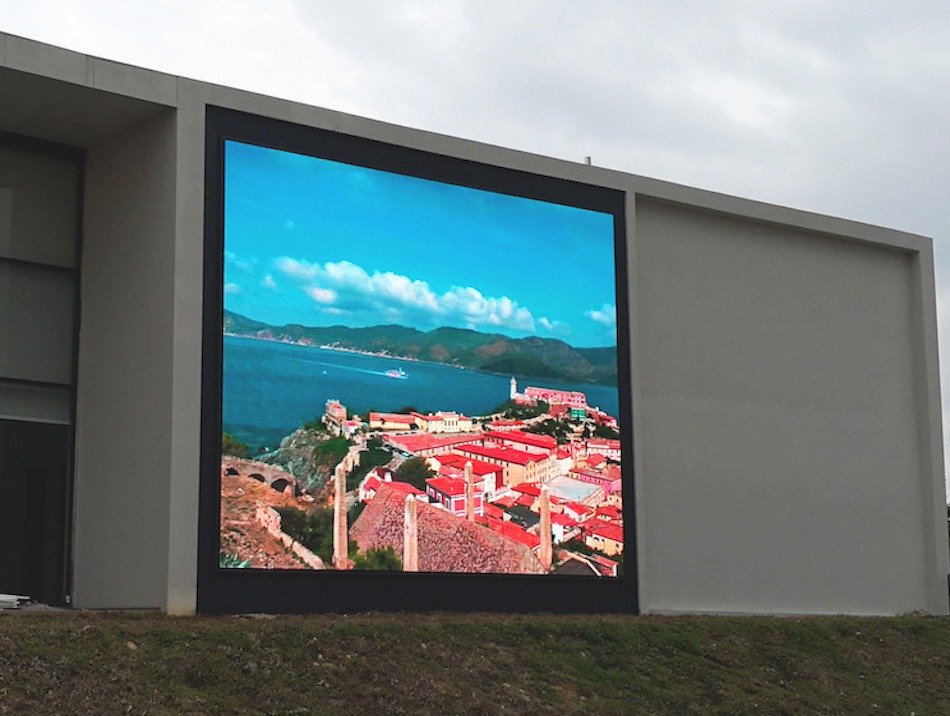
Outdoor LED screens in and around cities have become part of their signature, changing the way businesses communicate, advertise themselves, and relate with the public. From giant advertising billboards in city centres to event-based or transport-based digital signage, this industry is changing the face of the urban visual landscape. Their capability of providing bright, dynamic and high-impact imagery has made them an ideal medium for brands, governments, and event organisers alike.
Thus, the objective of this article is to discuss the evolution, trends, and applications of the outdoor LED display so that we can understand how it continues to revolutionize the world of advertising and digital communication.
Understanding Outdoor LED Displays
Definition and Functionality
LED displays have become prominent urban furniture as they have transformed the way businesses advertise, communicate and interact with people. From colossal billboards in city centres to electronic billboards in events and transportation stations, these displays are transforming the urban landscape. Their capability to deliver visually magically bright, dynamic and impactful, means that they are the preferred screen of choice for brands, governments, and even event organisers.
The purpose of this article is to discuss evolution, trends, and outdoor LED display uses that are shedding light on how Hendry industries continue to Lean Outdoor LED Displays.
Common Applications
Outdoor LED display is applied in various fields to serve different functions such as:
- Advertising and Marketing: Whether promoting products, promoting events or brand visibility, LED billboards are effective for putting business information in front of a wide audience.
- Public information displays: Municipalities and governments use LED screens to ensure that public transport schedules are displayed using the LED screens, traffic indicators, emergency notifications, and public announcements.
- Entertainment: Outdoor LED screens are an important part of concerts, sporting events and festivals, keeping large audience groups watching high-quality visuals.
- Way finding and Informational Kiosks: There are LED displays at many cities and malls for people to guide with way finding and/or real-time information for convenience.
Key Features of Outdoor LED Displays
Brightness and Visibility
One of the most significant features of outdoor LED displays is the brightness of the display. Unlike traditional screens, LED display is engineered to achieve its performance under the direct sunlight, providing clarity at all times. Advanced brightness sensors adjust the intensity based on ambient light conditions, reducing energy consumption and glares at night. Robust endurance, meaning that the outdoor LED scrolling screens can be applied 24 hours a day.
Durability and Weather Resistance
Outdoor LED display is designed to endure adverse conditions They have waterproof and dustproof covers, corrosion-resistant materials and effective ventilation systems to avoid overheating. This design ensures that they are able to operate reliably in high temperatures, high humidity, rain, and low temperatures, making them ideal for deployment in both urban and rural areas.
Energy Efficiency
Modern outdoor LED display is far more energy-efficient as compared to older models or traditional signage. They are using energy saving diodes and smart power systems that make the best use of the performance using as little electricity as possible. Not only does this save operating costs, but it helps with sustainability initiatives by saving carbon emissions.
Trends in Outdoor LED Displays
Smaller Pixel Pitch
The pixel pitch (distance between the two pixels) is an important aspect in the display resolution. The tendency of reducing the pixel pitch makes the images sharper and more detailed, even at small viewing distances. This is especially valuable to installations in urban areas where audiences are likely to be nearby.
Interactive Displays
Moveable is on its means to be a key characteristic of contemporary LED generation. Today’s outdoor LED screens may feature touch functionality, QR code integration or mobile-functionality, allowing for the audience to interact with the content itself. For example, users can scan the QR code on a billboard to be directed to promotions or updates about events, to further increase the customers’ engagement and data collection.
Integration with Smart Technologies
The development of smart cities has led to the fusion of outdoor LED screens with network systems. These screens have the capability to now display real-time data fed from city databases such as public transportation schedules, environmental data or social media feeds. AI-powered analytics tools also make it easy for the advertiser to gauge audience interaction and change content on the fly.
Environmental Considerations
The development of smart cities has led to the fusion of outdoor LED screens with network systems. These screens have the capability to now display real-time data fed from city databases such as public transportation schedules, environmental data or social media feeds. AI-based analytics tools are also used for advertisers to measure how their content interacts with audiences and make dynamic changes.
Enhanced Visual Effects
Utilising 3D graphics and augmented reality (AR) on outdoor LED screens is transforming the billion-dollar advertising industry. These effects generate immersive and memorable experiential moments that generate attention and buzz – especially in high-traffic locations such as high street malls and city squares. Clever 3D LED billboards like the one in Tokyo, New York and Kuala Lumpur are excellent examples of how brands are utilising innovation to differentiate themselves.
Choosing the Right Outdoor LED Display

Factors to Consider
To be able to choose the most suitable outdoor LED display, it is imperative to consider several factors:
- Size and Resolution: The larger the screen and the smaller the pixel pitch the better the visual quality-but also the price. The choice will be based according to the viewing distance and purpose.
- Budget and Installation Costs: The greater the allowable screen size and smaller the pixel pitch, the greater the visual quality (and price). There are many brands based on the viewing distance, use.
- Local Regulations: Cities may have specific rules regarding outdoor digital signage brightness and placement as well as when the signs can be operated. Compliance prior to installation should be ensured by businesses.
Installation and Maintenance
Since LED displays are not indoor installations, the installation phase is particularly important to the performance and life of the product display. Proper fasteners, mounting angles and ventilation need to be taken into consideration. Regular maintenance policies, such as pixel checks, software updates and houses cleaning, allow regular performance maintenance and avoid downtime.
Conclusion
Outdoor LED displays have helped to redefine the way businesses, governments and organisations communicate with the public. Their inherent brightness, durability,. interactivity, and capability to mix intelligently with one’s environment, have made them one of the most powerful mediums of modern communication tools.
As urban areas keep forward with digitalization, outdoor LED displays will even increase in importance, along with invention solutions such as indoor LED panels and clever signs, which will determine how information and advertising reach audiences. The investment not only in this technology but in its possibility is no longer only a marketing decision but goes on to shape a future that will be even more connected and visually appealing.