Creating a proper diet doesn’t need to be costly, difficult, or even rigid with regard to the types of food. Good nutrition is the constant selection of foods that give the body the energy and nutrients necessary to maintain normal functioning. Carbohydrates are the source of energy that the body needs every day, proteins are required for growth and repair, healthy fats are necessary for proper function, and vitamins and minerals are needed to facilitate many of the body’s processes. These nutrients work together in the proper proportions to nourish the body, sustain daily function and promote health. The goal of nutrition knowledge is daunting due to all the information, but with some simple and practical tips, we can make healthy eating a lot easier.
Balance is one of the key principles of a healthy diet. A balanced diet is a diet that consists of foods with a good range of foods from different food groups and not too much of one food group. This not only provides a variety of nutrients to the body, but also enhances the enjoyment and sustainability of eating. People can eat healthy, regardless of their geographical location — big or small city. The aim is not perfection, but consistency: choosing foods with informed choices that will contribute to long term health and wellbeing.
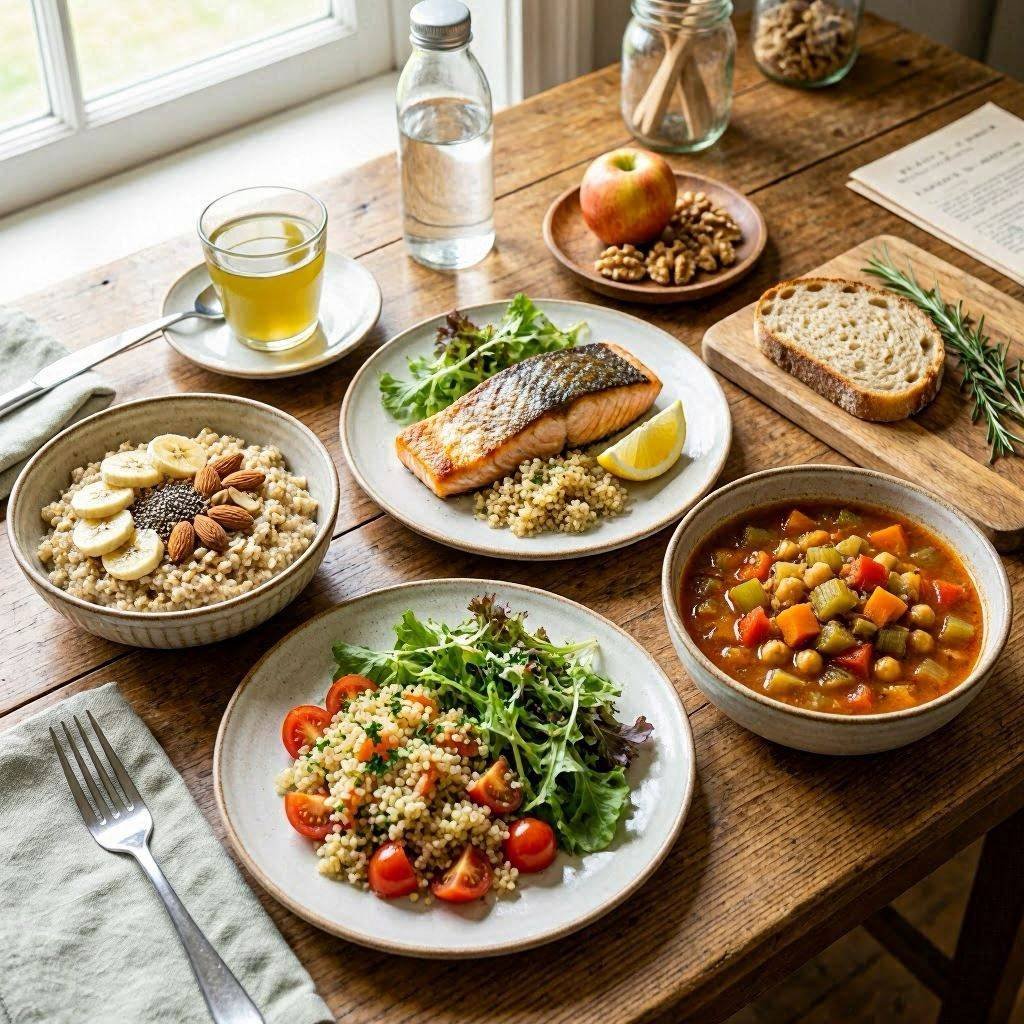
Healthy eating principles illustrated with a balanced meal for the day.
Why a balanced diet is important
The body needs all the necessary nutrients to carry out its basic activities efficiently and a balanced diet offers the essential nutrients. The maintenance, growth and energy production of every organ, tissue and cell relies on a continual supply of nutrients. People without proper nutrition may feel tired, unable to focus and struggle to perform daily tasks. On the other hand, a balanced diet contributes to a healthy life, physical performance and concentration.
It’s not just about what foods you stay away from. It’s about making informed decisions that encompass a range of healthy food choices. Foods provide different nutrients and it is important to have diversity. Vitamins and minerals come from fruits and vegetables, whole grains contain carbohydrates and fiber, proteins are responsible for the maintenance of body tissues and healthy fats have various functions in our bodies. This mix of foods can work well together to help the body function properly and keep people feeling satisfied and energized throughout the day.
Below are 10 essential nutrition tips for building a balanced diet every day
- Choose the right carbohydrates for the right time
Although carbohydrates are a misunderstood macronutrient, they are one of the major energy sources of the body. All movements, thinking and physical activity demand energy – carbohydrates supply fuel that can be used efficiently. Carbohydrate foods like rice, maize, potatoes, and yams, oats, and whole-grain breads are sources of energy that can be used as the building blocks of a healthy meal.
It all comes down to picking the right carbohydrates. Whole grains and less processed carbohydrate sources tend to be a better source of fiber, vitamins and minerals than heavily processed options. Fiber plays an important role in daily nutrition in helping to make people feel full and aids in normal digestion. A well-balanced meal could be brown rice and vegetables and/or beans or boiled yam combined with protein-rich foods. The presence of good quality carbohydrate sources in suitable amounts can ensure adequate energy supplies for the day and help ensure daily productivity.
2. Add Protein to All Major Meals
Protein is very important in the development and maintenance of tissues in the body. Protein is used to maintain and grow muscles, skin, hair, and a lot more. Protein added to every meal can contribute to satiety, normal physiological functioning, and a feeling of satisfaction for longer after eating.
There is a large choice of protein sources in many communities that are available and within the family’s means. Protein is found in beans, lentils, peas, eggs, fish, poultry, dairy products and lean meats. Plant-based protein choices are very beneficial because they can frequently provide a nutritious and inexpensive protein choice. Beans and rice, for instance, are a great source of carbs and protein that is both readily available and easy to eat. Eating regular meals that contain protein will help to build a well-balanced diet to help maintain good health.
3. Don’t be afraid of healthy fats!
Although fats are often blamed for causing excess weight, some are beneficial to a healthy diet. They assist the body in absorbing certain vitamins, maintain proper functioning of cells and are a dense source of energy. While some foods are rich in healthy fats, like nuts and seeds, avocados, olive oil and some fish. The presence of moderate intake of these foods helps to balance the diet without extreme dietary changes.
This should be about selecting the more beneficial types of fat and reducing the amount of more undesirable fats from highly processed foods. Practical examples are the use of groundnuts as part of a meal, the use of moderate quantities of vegetable oils in cooking or avocado as part of a meal. These decisions may contribute to a variety of nutrients in the diet and an overall balanced diet.
4. Consume a variety of fruits and vegetables
Fruits and vegetables are a source of nutrients, such as vitamins, minerals, antioxidants and fibre, which are important for nutrition. Often the different colors reflect different nutrient profiles, so it’s good to eat a diverse range of produce. There are special nutritional benefits to certain fruits and vegetables, such as green leafy vegetables, tomatoes, carrots, oranges, bananas, mangoes, and others.
People should look for fruits, vegetables, and other foods that are locally available, fresh, cheap and easy to access, instead of expensive imported foods. Vegetables and fruit can be a valuable addition to soups, stews, and rice dishes, or served as a snack for a nutritious diet. Fruits and vegetables can be incorporated into the diet regularly, making meals more balanced, whilst providing a greater variety in the day.
5. Eat smalls
Choosing a healthy diet is not just a matter of what you eat, it’s about how much. All foods, even the healthy ones, should be eaten within moderation. Portion awareness is a tool that can be used to build a meal that is an appropriate amount of food but not too much. When eating foods that are high in energy density, it is especially important to learn about portion sizes.
A good strategy is to break food into portions of the various food groups. Many of them can be vegetables and the rest can be carbohydrates and proteins. This approach allows for flexibility and assists people to create a nutritionally balanced diet. Interestingly, there is no mention of portion control in this, only portion awareness meaning meals with a balance of nutrients.
6. Drink plenty of water all day long
Water is a nutrient critical to almost all functions in the body. Helps regulate temperature, transport nutrients, digest food and many other bodily functions. Although the importance of hydration may not receive much attention when it comes to nutrition. Drinking enough water throughout the day can help support good health and can be used in conjunction with the healthy eating plan.
Water is usually the first choice of beverage. Other beverages can help you hydrate, but water doesn’t contain any extra, unneeded additives or sugars. Having a reusable water bottle, consuming water during meals and listening to thirst cues can support the individual to stay hydrated. Balanced nutrition goes hand in hand with adequate fluid intake to aid daily function.
7. Select local foods that are affordable
A popular myth is that healthy eating is too costly, and involves specialty foods. In practice, there are many healthy foods that are inexpensive and easy to obtain in the local market. Foods like beans, lentils, vegetables, fruits, eggs, whole grains and locally produced foods are good for you and also don’t break the bank
Eating local foods can often make meals more sustainable and affordable. For instance, a bean, vegetable and staple grain meal offers a balance of carbohydrates, protein, fibre, vitamins and minerals at an affordable price. The local food approach offers the opportunity to live the nutritional principles on the ground, in one’s own community and culture.
8. Plan meals in advance
To make smart eating easier, plan ahead of time so you can make less impulsive choices about what to eat and can make better choices at the grocery store. People are more likely to serve a diet rich in a wide range of nutrient foods when planning their meals in advance. Planning also assists households to budget effectively and minimise food waste.
The weekly plan can’t be complicated. This could include choosing protein foods, vegetables, fruits and carbohydrate choices for future meals. Some ingredients can be prepared ahead of time to save time and ease healthy choices. Planning for the week encourages adherence to a healthy eating pattern and it supports a person’s long-term food choices.
9. Cut back on junk food
Foods that are highly processed tend to have high levels of added sugars, salt, and fat, but not much else. These foods can be a component of a healthy diet at times but may contribute to a poor overall diet when eaten in excess. People who opt for minimally processed foods more often are able to get nutrients in their natural state.
Switching out and away from junk foods to nutritious alternatives like fruits, nuts or other high-yield foods can make a difference in food consumption for the day. Likewise, cooking at home will give you control over ingredients and serving sizes. The aim is not to avoid them, but to moderate them, keeping healthy food as the basis of the diet.
10. Establish regular routines and not aim for perfection
The most important nutrition tip is that you don’t always have to do it right. Sustainable eating behaviors are built over time by making small, sustainable changes. Those who concentrate on making gradual changes tend to have long-term success with healthy eating habits.
Regular intake of nutrient rich foods, choosing foods to create a balance of a meal, drinking adequate water and incorporating fruits and vegetables can make a difference to wellbeing. A few extra treats won’t kill the habit of healthy eating, and a single healthy meal won’t make an entire meal. In order to achieve long-term success, one must make good choices on a consistent basis and adjust them to his/her life and situation.
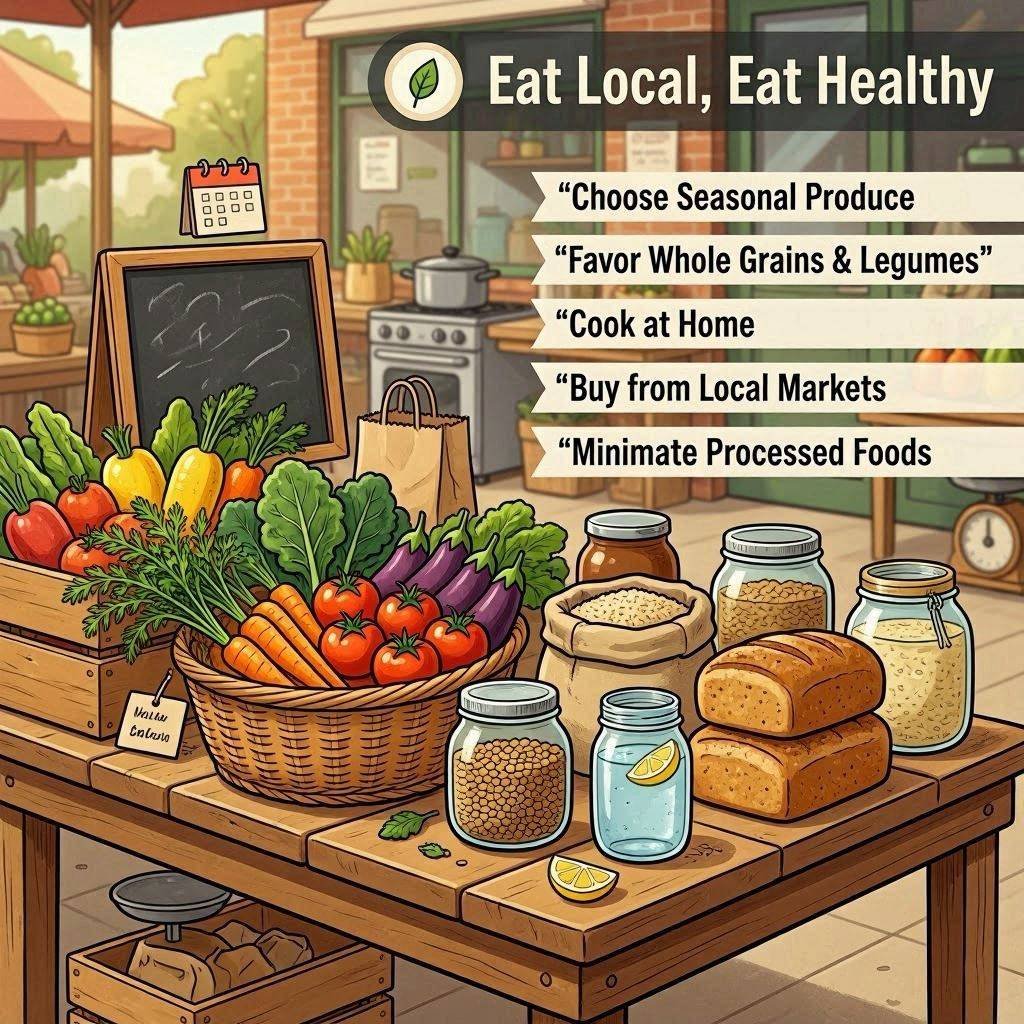
Principles of eating healthy foods that are locally available and inexpensive.
A simple example of a balanced daily meal plan is provided below.
A daily meal plan is used to illustrate how various nutrients can complement each other. Oats with milk and fruit may be served at breakfast. Rice, beans, and mixed vegetables might be served as lunch, which would include carbohydrates, protein, and micronutrients. Fish, sweet potato, leafy greens may be a combination for dinner, another balanced meal. Snack items may be fresh fruit, nuts or yogurt as available and preferred.
The types of foods can differ depending on culture, budget, and availability, but the general guidelines of nutrition are the same. Balanced meals are made up of various food groups, and are designed to be varied and have sufficient nutrients to support daily functions. These principles, not rules, can be used to develop sustainable eating patterns that are suitable to a person’s lifestyle.
Conclusion
The first step in creating a balanced diet is to recognize the importance of carbohydrates, proteins, healthy fats, vitamins, minerals, and water. These nutrients are closely related in their role providing support in energy production, growth, maintenance and wellbeing. Practical steps such as incorporating protein into meals, having a variety of fruits and vegetables, staying hydrated, practicing portion control, and opting for affordable local options can help people plan healthy eating habits that are both achievable and sustainable.
The best way to eat is to eat in a way that you are able to do over time. Healthy eating doesn’t have to cost a lot of money or be complicated. It is about following the core principles of healthy eating, eating in moderation and establishing good eating habits. If these habits become a way of life, they can have a positive impact on well-being and help to maintain a healthy lifestyle for years.