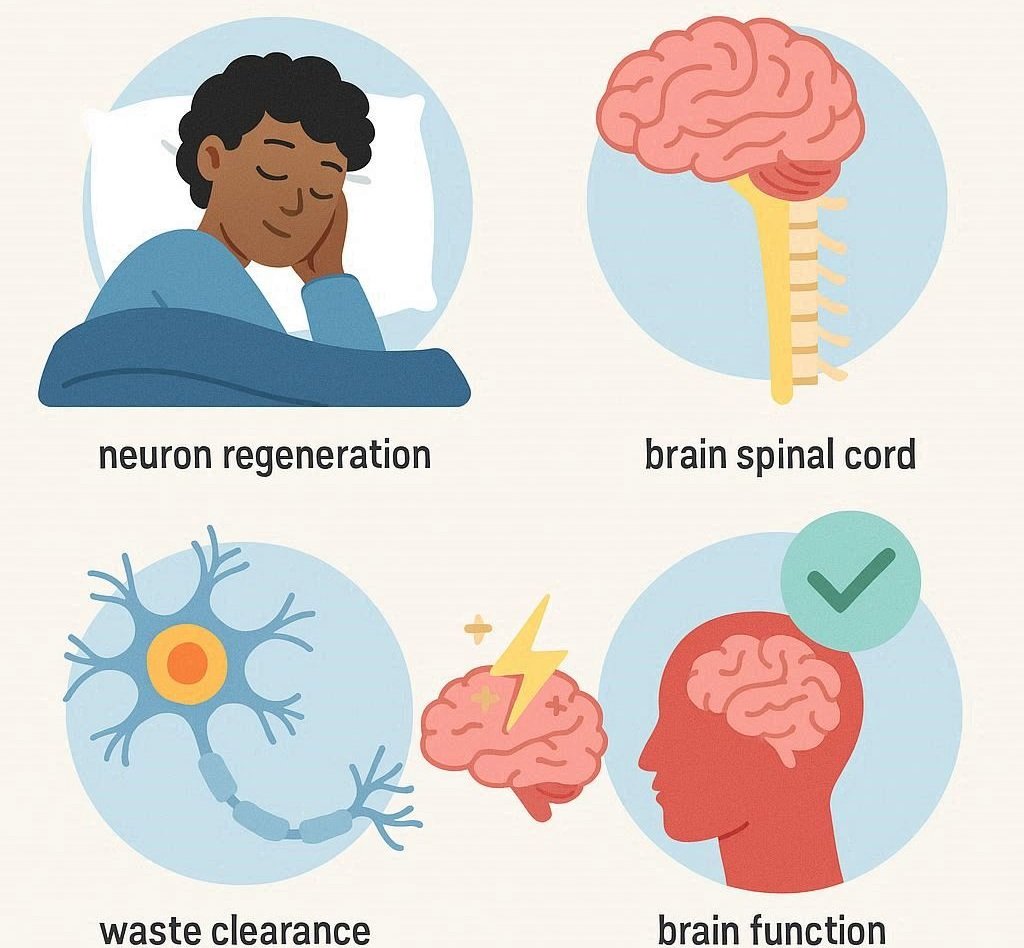
The human nervous system is a very delicate network that plays the role of regulating communication within the body. It controls movement and sensation to cognition and emotional reactions. In order to ensure this system operates effectively, it must have appropriate nourishment. What we eat is very essential to the health of our nervous system and affects the manner in which the brain is able to process the information and the way that nerves are able to pass the signals.
Learning about the importance of the basic nutrients that can facilitate the work of the brain is the key to the better functioning of the brain and the long-term state of the neurological structure. The nutrients can help neurons maintain their structural integrity, increase the communication between the nerve cells, and prevent the brain damage in case of the presence of oxidative stress
With the increasing demands of a modern lifestyle of high cognitive performance, it is more than ever that a diet that supports the nervous system is of utmost importance. Through a wise choice of dieting, one is able to boost memory, sharpening, and overall brain activity.
The Neural/Neural Interaction of Nutrition and Neural Processes
To keep its structure and functioning normal, the nervous system relies on the continuous supply of nutrients. The main cells of the brain, the neurons, are dependent on various biochemical activities that need special nutrients to be functioning properly.
Vital nutrients that aid your neural functioning have a direct influence on the synthesis of neural transmitters the chemical messengers that facilitate communication between neurons. Lack of proper nutrition may result in impairment of such processes causing decreased cognitive performance and neural signaling slowing.
Besides facilitating communication, nutrients also aid to protect the structural safeguards around the neurons, e.g. myelin sheaths. These are necessary to provide a quick and efficient movement of signals within the nervous system.
The balanced diet containing the most important nutrients in it is thus the key to the perfect functioning of the brain and its ability to react to the inner and outer stimuli.
Brain and Omega-3 Fatty Acids
The most significant vital nutrients that aid in the functioning of the neural are omega-3 fatty acids. These are healthy fats which are a major constituent of the brain cell membranes and are essential in keeping the cells of the brain flexible and intact.
The role of the omega-3 fatty acids is to improve communication among the neurons by increasing cell membrane fluidity. This enables that release and reception of neurotransmitters are made more efficient, which facilitates faster and more accurate transmission of signals.
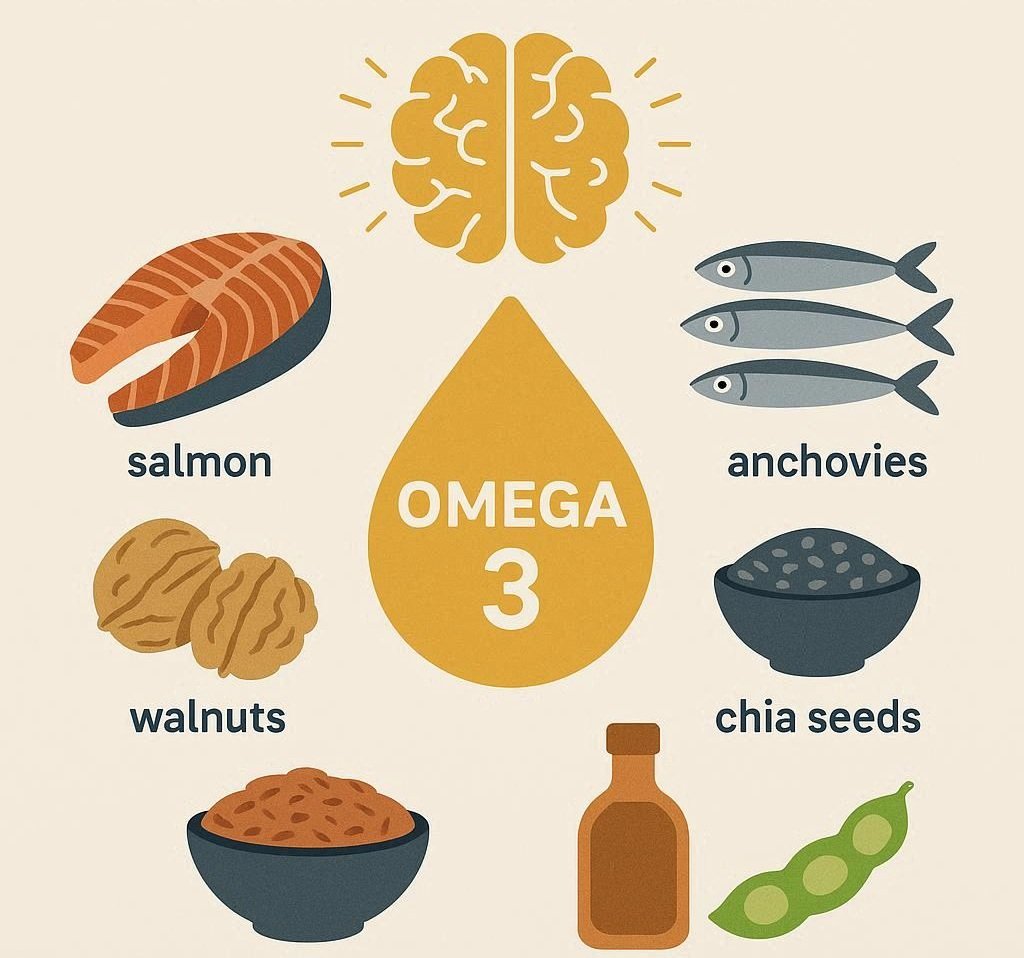
Moreover, these fatty acids are anti-inflammatory and thus prevent the damage of the brain. The chronic inflammation may cause deterioration of neural functioning, which may result in cognitive impairment in the long run.
The sources of omega-3 fatty acids are fatty fish (salmon, mackerel, and sardines) and plant-based foods (flaxseeds and walnuts). These foods can substantially improve the brain health and cognitive performance when they are incorporated into the diet.
Vitamins to Support the Nervous System
The essential nutrients including vitamins play an important role in the neural functioning since they are involved in energy synthesis, the production of neurotransmitters, and general brain health.
The nervous system is of particular interest to the B vitamins, such as B6, B12, and folate. They help in the synthesis of neurotransmitters like serotonin and dopamine which help in regulating the mood, concentration and emotional balance. These vitamins also aid in the development of myelin which sheaths fibers of nerves and promotes the transmission of signals.
Another significant nutrient, which affects the functioning of the brain, is vitamin D. It aids in the growth of nerves and in the maintenance of the immune system to limit inflammation, which may cause damage to neural health.
Vitamin C and vitamin E are antioxidant vitamins that helps in protecting neurons against oxidative stress. Such kind of stress may destroy cells and hinder communication in the nervous system.
The diet that consists of fruits, vegetables, whole grains, and lean proteins can contain a great number of vitamins which are needed to ensure the optimal neural work.
The Protection of the brain by antioxidants
Antioxidants are potent chemicals that help the brain to avoid damage by the free radicals. Unless neutralized, these unstable molecules may damage the cells and disrupt the neural communications.
Antioxidants are important nutrients that maintain neuronal integrity and avert cognitive impairment given that they are essential nutrients which assist the neural functioning. They also assist in the repairing of the brain and its adaptation to new challenges.
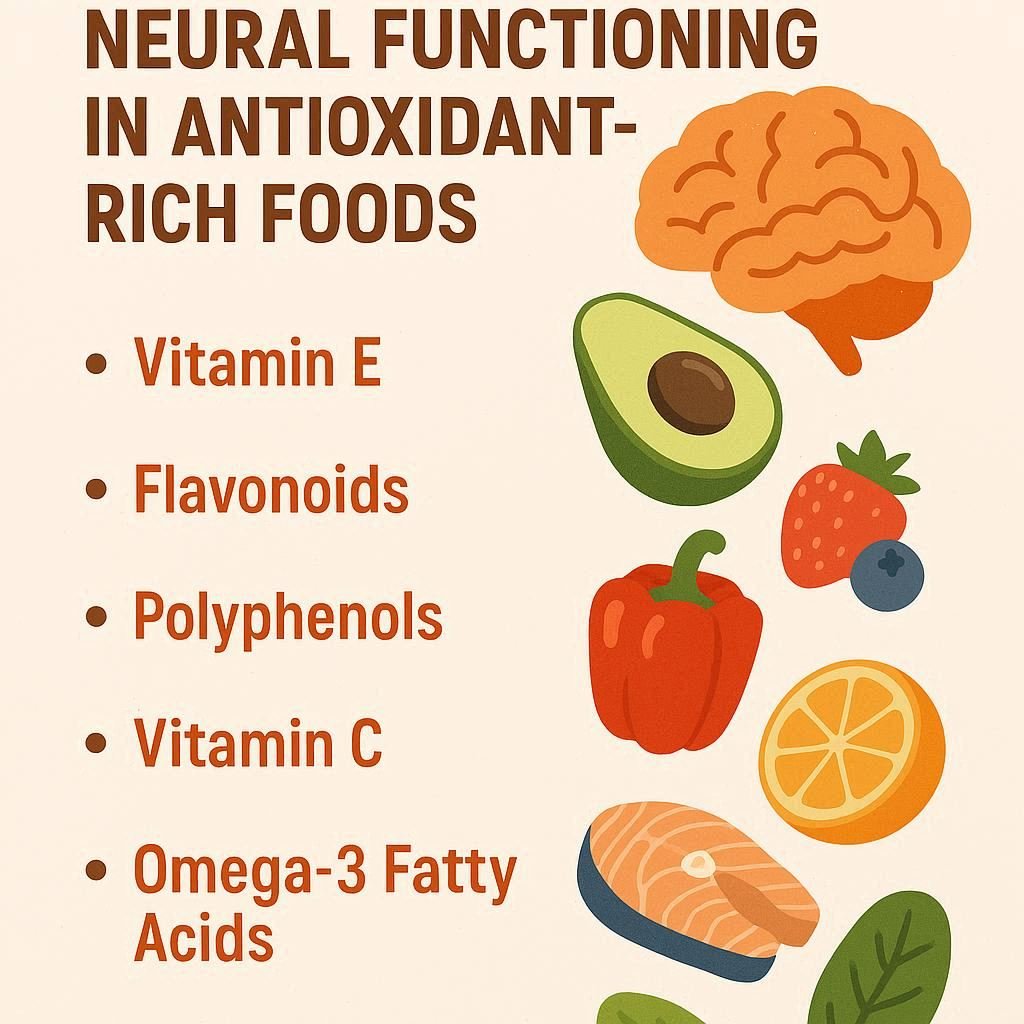
Berry, leafy foods, nuts, and seeds contain high levels of antioxidants. These foods do not only safeguard the brain, but also boost the overall cognitive functions through healthy neural approaches.
Intake of antioxidant-containing foods is specifically relevant to avoid age-related deterioration in the brain functions and preserve mental sharpness.
The Effect of Nutrients in Signaling Nerves
The basis of the nervous system activity is nerve signaling. It encompasses electrical and chemical communication between the neurons and allows the body to react to the stimuli and carry out multifaceted functions.
Important nutrients that promote neural activity have a direct effect in this process. As an example, neurotransmitters are produced using amino acids obtained as a result of food protein degradation. Magnesium and potassium are some of the minerals that contribute towards the regulation of neuronal electrical activity.
These nutrients are essential to make sure that the signals are received fast and properly. In case of insufficiency of nutrients, the nerve signaling may be less efficient resulting in slow reactions and impaired thinking capacity.
A healthy diet is useful in promoting the effectiveness of neural communication, which promotes physical and mental performance.
Foods That Improve the Brain
Some of the foods are specifically useful in supplying the key nutrients that facilitate neural activity. These foods help in enhanced memory, concentration and general cognitive abilities.
Fish, particularly fatty fish, as it has been said before would be a good source of omega-3 fatty acids. A constant intake of glucose that is the main source of energy to the brain is provided by whole grains. Nuts and seeds are natural sources of healthy fats, vitamins, and antioxidants that promote the health of the neurons.

Leafy green vegetables have all the vitamins and minerals that enhance the functioning of the brain; fruits like berries also have antioxidants that ensure that the neurons are not damaged.
By adding all these foods in the diet, the nervous system will be in a position to receive all the nutrients required to perform well.
Eating Well-Informed Decisions
A diet that is supportive of the nervous system does not only consider the use of certain foods. It needs a moderate method that facilitates regular consumption of vital nutrients that aid the functioning of the brain.
This involves eating foods rich in nutrients, ensuring that they are well hydrated, and not overeating processed foods which will adversely affect the brain health.
Nutritional balance meal planning may assist an individual to keep the energy levels at constant levels and sustain them throughout the day to facilitate cognitive functioning.
To learn more, go to: essential nutrients that support neural function.
The Long-Term Use of the Benefits of Proper Nutrition
The long-term effect of eating a diet with the necessary nutrients that nourish brain activity is beneficial to the physical and mental health. It helps in the development of the brain, improves brain performance, and minimizes the chances of developing some neurological conditions.
Emotional well-being is also achieved through proper nutrition that helps to produce neurotransmitters that control mood. This may result in a higher mental strength and quality of life.
In the long run, regular dieting may result in the strengthening of neural connections, the sharpening of memory, and the capacity of the brain to adjust to novel challenges.
Conclusion
The nervous system is dependent on adequate nutrition to work well. Through the awareness of the importance of the key nutrients that facilitate neural activity, people are able to make well-advised decisions to boost the health and cognitive abilities in the brain.
Starting with omega-3 fatty acids, all nutrients have a different effect of aiding neural communication and safeguarding the brain against harm. The balanced diet containing numerous nutrient-containing foods is a key to the preservation of the optimal state of the neurological activity.
Through nutrition, a person can be able to improve his or her mental acuity and mental capacities and in the long run maintain the health of the nervous system.