The roof over your head is arguably the most critical component of your home’s structural integrity. Yet, for most homeowners, it remains an afterthought until a damp spot appears on the ceiling or a severe seasonal storm rolls through. In regions like the San Fernando Valley, where intense summer heat gives way to sudden winter downpours, residential roofing undergoes unique environmental stress.
Choosing to repair or replace a roofing system involves a maze of material options, engineering considerations, and local compliance standards. Making an informed decision requires looking past the aesthetics and understanding the structural, thermal, and economic realities of modern roofing.
The Physics of Thermal Stress and Material Longevity
Homeowners often select roofing materials based purely on visual appeal or upfront cost. However, the true measure of a roof’s value lies in how it interacts with the local climate. In areas characterized by high microclimate temperatures, thermal expansion and contraction are the primary catalysts for premature roof failure.
When sunlight hits a roof, the surface temperature can soar significantly higher than the ambient air temperature. This heat absorption causes materials to expand. As the sun sets and temperatures drop, the materials contract. Over time, this daily cycle weakens the chemical bonds in asphalt shingles, causes wood shakes to warp, and can split poorly installed underlayments.
Material Profiles: Beyond the Surface
- Architectural Asphalt Shingles: While traditional three-tab shingles are economical, architectural shingles feature multiple layers of material laminated together. This multi-layered composition provides superior dimensional stability, making them far more resilient against thermal shock and high winds.
- Clay and Concrete Tiles: Exceptionally durable and naturally resistant to rot and insects, tiles provide excellent thermal mass. They absorb heat during the day and release it slowly at night, reducing the cooling load on the home’s HVAC system. However, their immense weight requires a structural evaluation of the home’s framing before installation.
- Modern Metal Roofing: Standing-seam metal roofs reflect a massive percentage of solar radiation. When properly coated, they resist fading and corrosion for decades. They are lightweight and highly durable, though they require specialized installation expertise to manage thermal movement along the seams.
The Unseen Hero: The Advanced Roof System
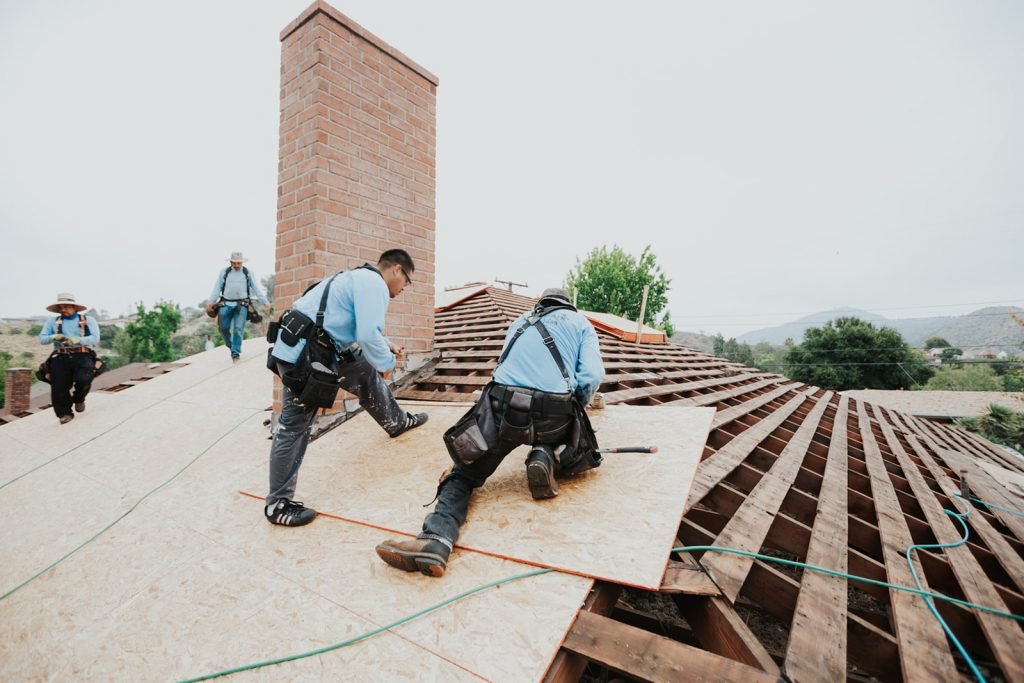
A reliable roof is not just a collection of shingles or tiles; it is a highly engineered, multi-layered system designed to shed water and manage vapor drive. Focus is frequently placed on the visible outer layer, but the sub-layers dictate the system’s actual lifespan.
The Role of High-Performance Underlayment
Directly beneath the primary roofing material lies the underlayment, which acts as a secondary water barrier. Traditional organic felt paper is rapidly being replaced by synthetic polymer underlayments. Synthetics offer superior tear resistance, do not absorb moisture, and do not degrade when exposed to high attic temperatures. In areas prone to wind-driven rain, self-adhering ice and water shields are applied to critical zones like valleys, eaves, and penetrations to prevent water backup.
Ventilation Dynamics
Proper attic ventilation is non-negotiable. Without adequate airflow, heat and moisture trap themselves in the attic space. In the summer, an overheated attic bakes the shingles from below, drastically shortening their lifespan. In the winter, moisture from cooking, bathing, and cleaning rises into the attic. If it cannot escape, it condenses on the underside of the roof deck, leading to mold growth and wood rot.
A balanced ventilation system utilizes a precise ratio of intake vents at the soffits or eaves and exhaust vents at the ridge. This layout leverages natural convection to keep the attic temperature close to the ambient outdoor temperature.
Navigating the Local Regulatory Landscape
Roofing projects are heavily governed by local building codes and environmental mandates. For homeowners in the southern California region, compliance is not optional, it impacts property values, insurance eligibility, and legal liability.
Cool Roof Mandates
Local jurisdictions frequently enforce strict energy efficiency standards, often requiring “Cool Roof” rated materials for new installations or major retrofits. These materials are tested and certified to have high solar reflectance and thermal emittance. By reflecting sunlight rather than absorbing it, a cool roof keeps the entire structure more comfortable and significantly lowers peak energy demands during hot summer afternoons.
Wildfire Resilience and Class A Ratings
Given the proximity of many valley neighborhoods to wildland-urban interfaces, fire resistance is a critical safety consideration. Building codes often require a Class A fire rating for all new roofing systems. This rating measures the system’s ability to withstand severe fire exposure from external sources, preventing flying embers from igniting the roof deck. Both the outer material and the underlying components must work together to achieve this standard.
Selecting a Qualified Installation Partner
Even the highest-grade materials will fail prematurely if installed incorrectly. Roofing is a highly technical trade, and selecting the right contractor requires looking beyond the lowest estimate.
When vetting professionals for a project, homeowners should look for manufacturer certifications. Major roofing manufacturers offer specialized credentials to contractors who undergo rigorous training and maintain flawless installation records. Working with a certified installer often unlocks extended, non-prorated warranties that cover both materials and workmanship for decades.
For property owners seeking specialized local expertise, partnering with a regional specialist like Overhead Roofing Tarzana ensures that the unique architectural styles and specific climatic challenges of the valley are fully accounted for in the project design.
The Financial Realities: Repair vs. Replacement
Determining whether to patch a problematic area or invest in a total tear-off is a common dilemma. While localized repairs are cost-effective in the short term, they can sometimes mask systemic issues.
The 25% Rule: As a general industry standard, if more than 25% of a roof system is damaged, showing signs of severe wear, or actively leaking, a complete replacement is typically more cost-effective than continuous, piecemeal repairs.
Investing in a comprehensive roof replacement offers a compounding return on investment. Beyond the immediate peace of mind during heavy rains, a new, code-compliant roof lowers monthly utility bills through improved thermal efficiency, reduces home insurance premiums, and significantly enhances the curb appeal and resale value of the property.
Protecting Your Structural Investment
A high-quality roof is a significant financial commitment, but it is also the primary shield safeguarding your family, your possessions, and the structural integrity of your home. By understanding the science of ventilation, the importance of sub-layer components, and the necessity of local regulatory compliance, you can approach your next roofing project with total confidence. Do not wait for a catastrophic failure to audit your roof’s health, proactive management today prevents costly emergencies tomorrow.