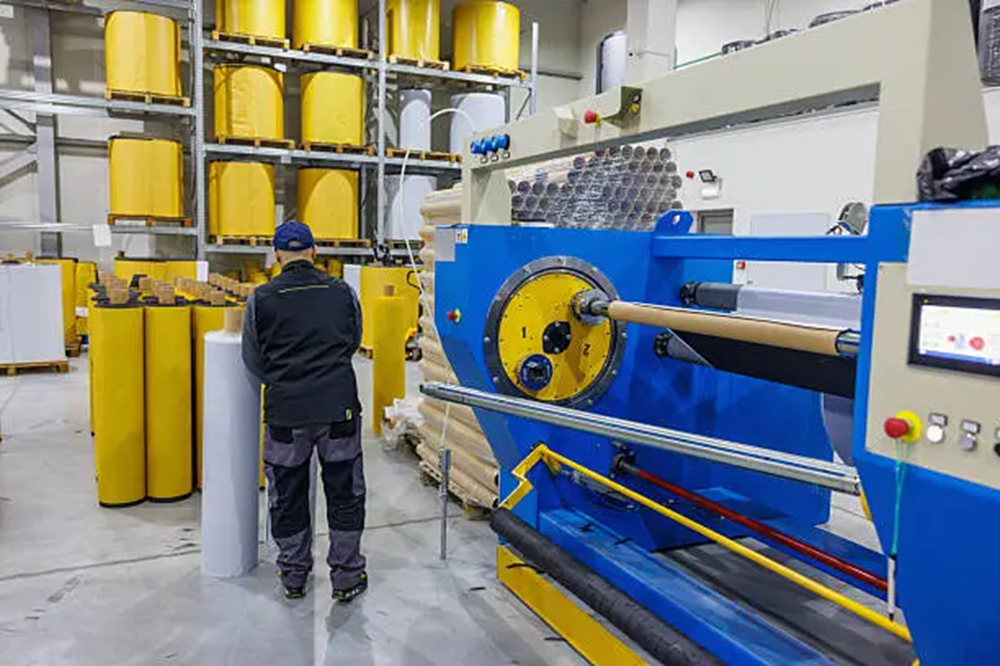
Manufacturers constantly feel the squeeze of everything they need versus what they can afford to operate. Whether it’s a new machine to remain competitive or an addition to an already expensive fleet to handle a big contract, equipment is not cheap. Yet manufacturing budgets are never endless. We’ve all been shop owners in that moment where your latest job requires you to push your current capabilities, but writing a check to buy a brand new machine just isn’t feasible as cash reserves are needed for payroll, materials, and everything else to keep the operation open.
And this feeling continues as businesses grow. The more work a manufacturer gets means the more machines and equipment they’ll need down the road. Yet greater revenues do not always mean the capital is available at that moment when the equipment is required. Thus, learning how to grow/maintain production capacity without the associated equipment costs becomes a savvy skill for successful manufacturers that want to stay open for the long haul.
Numbers Don’t Lie
A new CNC machine can range from $100,000 to $500,000 (or more) depending on size and capabilities. For many small to mid-sized shops, this accounts for a significant portion of annual revenue for one piece of equipment. Additionally, that’s just the sticker price. Installation will require additional construction-type expenses. Whether it’s electrical work, concrete reinforcements, getting it level and calibrated, it all adds up. Then there’s the operator training because someone who hasn’t worked on that control system before will need hand-holding.
All too often shops finance this equipment purchase versus paying cash upfront. They apply interest fees over five to seven year spans, which means that $200,000 machine is now more like $250,000+. The monthly payments must coincide with cash flow needed for everything else going on, but those payments will be required, whether the machine works 24/7 or sits idle during slow periods.
Used machines tell a different story. A machine that’s worth $300,000 new might sell used for $100,000 to $150,000 after 5 to 10 years, depending on condition and usage. That’s real money saved. Money that can be allocated to something else in the shop or kept in cash flow as reserves through lean times.
When Used Machines Make Sense
Not every situation necessitates a brand new purchase. All too often circumstances reveal that used machines are the best option, even when financing isn’t the only consideration.
For example, a shop might expand a production capability through a job and find it in their best interest to upgrade, but they don’t necessarily need the newest bells and whistles if the job specifications call for features that most reputable CNCs have had for the last decade. There’s no need to pay for the latest standards if it does the job just fine. Money saved on new could go toward tooling, workholding, or invested as cash reserves.
Many manufacturers who expand their capabilities discover they can purchase a used CNC lathe with existing capabilities and sizing that fit production criteria while saving money for operating or machine needs down the road.
Taking on new markets or products comes with risk. If it doesn’t pay off, spending good money on new equipment can waste time and money if sunk investment happens first. Instead, buy used as a safety net. If the venture works out, great; if not, at least the loss isn’t as bad and resources can be diverted elsewhere without debt over shop heads.
Additionally, older machines are often easier to work with. A CNC lathe from 15 years ago uses technology that’s already integrative; parts are typically easy to find and service companies know the systems intimately. The new machine might have features that look good in the pitch but lack needed support when something goes down because specialist parts and people take months to find.
Evaluating Used Machines For Purchase
The devil is in the details when figuring out what’s worth purchasing and what’s a bad deal. Buying used won’t matter if there’s an unnecessary cost of $50,000 in repairs needed before the machine can run production parts reliably.
Hours matter, though they don’t tell the whole story. A machine with 20,000 hours is a lot more appealing than one with 10,000; yet if the 10,000 hour machine was constantly running heavy cuts without preventative maintenance it’s in worse shape than one with lower hours that got worked on when necessary. Maintenance logs, inspection reports, and better yet, conversations with sellers about how well (or poorly) it’s been taken care of go much further than an hour meter.
Physical inspection tells a large story. Ways wear down. Ball screws develop backlash. Spindle bearings take their hits from constant usage. All of these predict how much life is left in the machine. Some wear should be anticipated; excessive wear reveals expensive repairs not far around the corner. Most prospective buyers bring someone along well-versed in assessing used machines who knows what acceptable wear is versus what could suggest issues.
Control systems require special attention; older mechanical pieces with worn controls often can get retrofitted for less than buying new altogether. However, if mechanical components of older equipment are worn out, it’s likely not going to receive any updated capabilities without spending far too much than getting it new in the first place.
Financing Options For Used Equipment
Acquiring equipment doesn’t always mean purchasing it upfront. Leasing options give buyers some breathing room without diving into ownership right away.
Operating leases keep machines off balance sheets with flexible options presented for upgrades, or even getting rid of machines as needs evolve, giving owners the chance to assess what’s working and what’s not without risk. Monthly payments usually pan out as tax deductible business expenses which helps cash flow align better. At the end of a lease either gives back machines or discusses cost to purchase at fair market price.
Finance leases operate much like loans for bank issued machines but with differences that could help finances work better in the long run, for example, it’s easier to treat them as assets over time and build equity without interest cluttering ownership pathways. At the end of such loans, ownership is fully transferred.
Most options come from banks and/or companies focused on equipment finance options based on down payments and interest rates, but most manufacturers should be able to get financing as long as their business fundamentals make sense before moving forward. The key is determining if payment can happen easily on monthly installations, regardless of production needs during slower periods.
Maximizing Current Capacity
Before adding machines to stock numbers many shops realize they actually have more capacity than originally thought, and it boils down to making this option work for all stakeholders so production needs can finally be met.
Not every situation benefits from this reality but it’s worth checking out before buying additional machines.
Scheduling plays a big role in this option; better workflow patterns reveal extra capacity that’s not being utilized just because jobs are queuing up at one machine while another sits idle, not because there’s too much work at one station but because there’s mismanagement at hand.
Tooling increases what current machines can do exponentially; a machine running basic tooling could realistically add 30% more productions per hour with better cutting tools or workholding systems that include quick-change options, a fraction of the investment needed for a new machine.
Operator training results in more efficient programming/set-up jobs which increases effective use of machines; if all hours are spent figuring out set-ups or playing around trying to troubleshoot programs vs making chips those lost hours reduce effective work time, all time that would otherwise contribute to productivity not maxed out under current limited assumptions.
The Best Option
It’s rarely black and white when determining what’s best; operating through gray areas allows manufacturers to assess multiple variables at play. Buying the cheapest option isn’t always best; however, there are also few reasons why some of the costliest options should also be purchased if they’re not truly necessary.
Most successful manufacturers find comfort in middle ground, buying used when appropriate; buying new when circumstances call for it, and constantly evaluating whether they get their money’s worth.
The manufacturers who treat equipment purchases like business decisions instead of emotional ones come out ahead by running numbers honestly and considering true needs vs wants, and staying flexible enough to jump on good opportunities that come their way down the road.
Sustaining production levels while keeping equipment expenditures low isn’t about finding one silver bullet solution but rather making strategic decisions within reason over time that realistically assesses what productions need versus what would be nice to have.