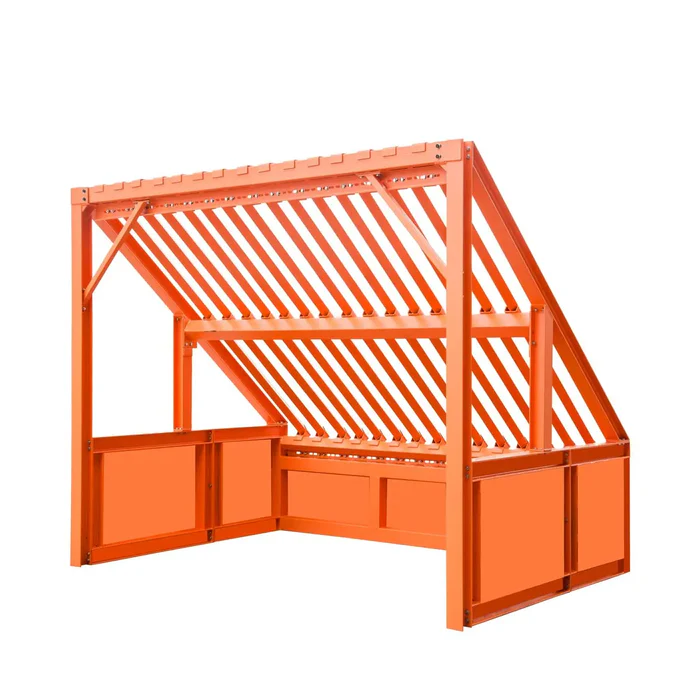
Material screening is a foundational process in construction, mining, landscaping, and logistics related operations. Whether preparing aggregate for road bases, separating oversized debris, or processing excavated material on site, effective screening directly affects downstream efficiency, equipment wear, and project timelines. Poor separation can result in inconsistent material quality, rehandling costs, and unnecessary transport of unusable material. In these environments, a 10’ Heavy Duty Static Grizzly Rock Screen provides a practical and low maintenance solution for coarse material separation at the earliest stage of processing.
Overview of Screening Methods and Industrial Use Cases
Material screening can be performed using vibrating screens, rotary trommels, or static grizzly systems. Static grizzly screens rely on gravity rather than powered movement, making them especially suitable for operations that prioritize simplicity and durability.
Common use cases include:
- Pre screening blasted rock at quarry sites
- Separating oversize material during excavation and land clearing
- Sorting demolition debris before hauling or reuse
- Screening soil and aggregate for infrastructure projects
Static systems are often positioned at the front end of material handling workflows to reduce unnecessary processing and transport.
Efficiency, Safety, and Productivity Benefits
By removing oversized material early, screening improves overall site productivity. Equipment downstream such as crushers, conveyors, and loaders experience less stress and fewer blockages. From a safety perspective, reduced manual sorting lowers operator exposure to unstable material piles and moving equipment. Static screens also eliminate electrical or hydraulic hazards associated with powered systems.
Technical Fundamentals and Capacity Considerations
A 10 foot grizzly screen offers a broad screening surface capable of handling high volume material flows. Key technical factors include bar spacing, frame strength, and load bearing capacity. Heavier duty frames are designed to withstand repeated impact from excavators and loaders dropping raw material onto the screen. Proper sizing ensures the screen matches the expected material type and throughput without bottlenecking operations.
Factors Affecting Screening Performance
Several variables influence how effectively a grizzly screen performs:
- Material size distribution and moisture content
- Angle of installation and material feed method
- Consistency of loading patterns
- Structural rigidity of the screen frame
Wet or clay heavy material may bridge across bars, reducing screening efficiency. Adjusting feed technique or material conditioning can help maintain consistent flow.
Safety Considerations and Best Practices
Although static screens are mechanically simple, safety procedures remain essential. Best practices include:
- Maintaining safe loading distances for excavators and loaders
- Avoiding overloading beyond rated capacity
- Conducting routine inspections for cracked welds or bent bars
- Establishing exclusion zones around screening areas
Clear communication between equipment operators helps prevent accidental contact with the screen structure.
Equipment Types and Supporting Tools
Static grizzly screens are commonly paired with excavators, wheel loaders, and dump trucks. Unlike powered screening equipment, they require no motors, belts, or control systems. This makes them well suited for remote job sites or temporary setups where power availability is limited.
Compared to vibrating screens, static systems offer lower maintenance but less precise separation. Selection depends on material type and required output consistency.
Pros, Cons, and Operational Limitations
Advantages include durability, minimal maintenance, and low operating cost. Static grizzly screens are highly reliable in harsh environments and can operate continuously without downtime for servicing.
Limitations include reduced effectiveness with fine or wet material and limited adjustability once installed. Operators must balance simplicity with screening precision when selecting equipment.
Real World Application Scenario
In a regional aggregate operation, a static grizzly screen is positioned at the excavation face. Oversized rock is separated immediately, allowing usable material to be loaded directly for transport. This reduces hauling costs and minimizes crusher wear at the processing plant.
Conclusion: Key Takeaways and Industry Trends
The 10’ Heavy Duty Static Grizzly Rock Screen remains an essential tool for industrial material handling where reliability and simplicity are priorities. As industries continue to focus on cost control and operational resilience, static screening solutions are expected to remain relevant alongside more complex systems. Manufacturers such as TMG Industrial continue to supply durable screening equipment that supports safe and efficient material processing across a wide range of industries.

certainly like your website but you need to take a look at the spelling on quite a few of your posts Many of them are rife with spelling problems and I find it very troublesome to inform the reality nevertheless I will definitely come back again