The home gym revolution is in full swing, and for good reason. More people than ever are choosing to work out at home, drawn by the convenience of exercising on their own schedule and the privacy of training without an audience. Yet for many beginners, the excitement of purchasing an exercise machine quickly gives way to confusion. With multiple cables, attachments, and adjustment points, these machines can feel intimidating at first glance. This guide is designed to change that. Whether you’ve just unboxed a multi-gym or you’re considering investing in one, we’ll walk you through everything you need to know about using an exercise home gym machine with confidence and purpose. From understanding how constant resistance works to correcting muscle imbalance through targeted exercises, you’ll discover that these machines are far simpler than they appear. By the end, you’ll have a clear roadmap for turning your equipment into a complete home workout solution that delivers real, lasting results.
Understanding Your Exercise Machine: Types and Key Features
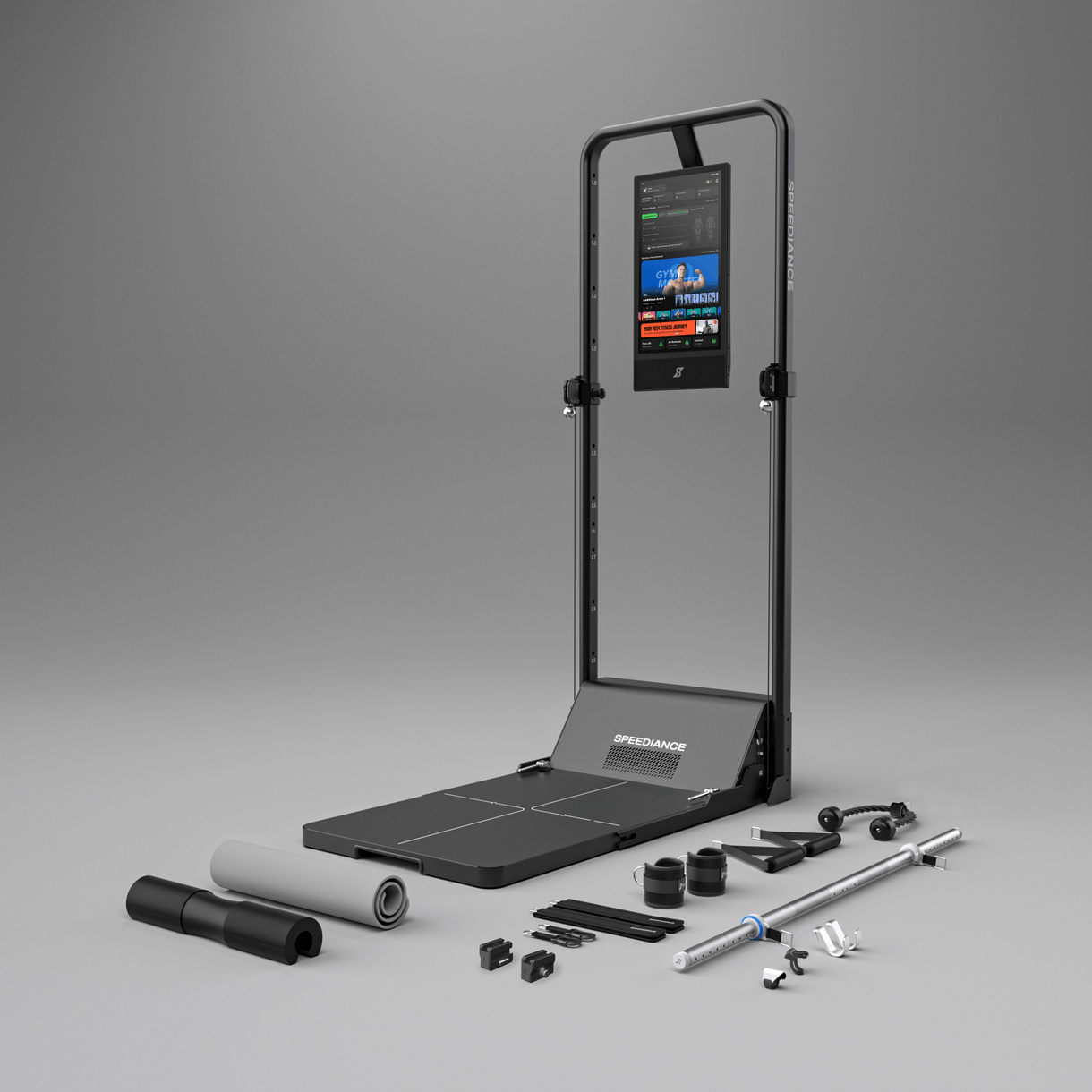
Home exercise machines come in several forms, each designed to fit different spaces and training goals. Multi-gyms combine multiple workout stations into a single frame, allowing you to perform dozens of exercises without switching equipment. Cable machines use a pulley system with adjustable weight stacks, giving you freedom of movement in multiple planes. Resistance trainers, including those using elastic bands or hydraulic cylinders, offer a compact alternative for smaller spaces. Modern smart gym systems from brands like Speediance take this further by integrating digital resistance and guided training into a streamlined unit. What these machines share is their ability to deliver constant resistance throughout each repetition. Unlike free weights, where gravity determines the load direction, cable and pulley systems maintain steady tension on your muscles from start to finish. This consistent force makes every inch of the movement productive, reducing the chance of “cheating” through momentum. Key features to look for include adjustable resistance levels that grow with your strength, interchangeable attachments for targeting different muscle groups, and a compact footprint that respects your available floor space. Most quality home machines also feature padded seats, ergonomic grips, and clearly labeled adjustment points, making them accessible even if you’ve never stepped inside a commercial gym before.
Setting Up Your Home Gym for Optimal Safety and Performance
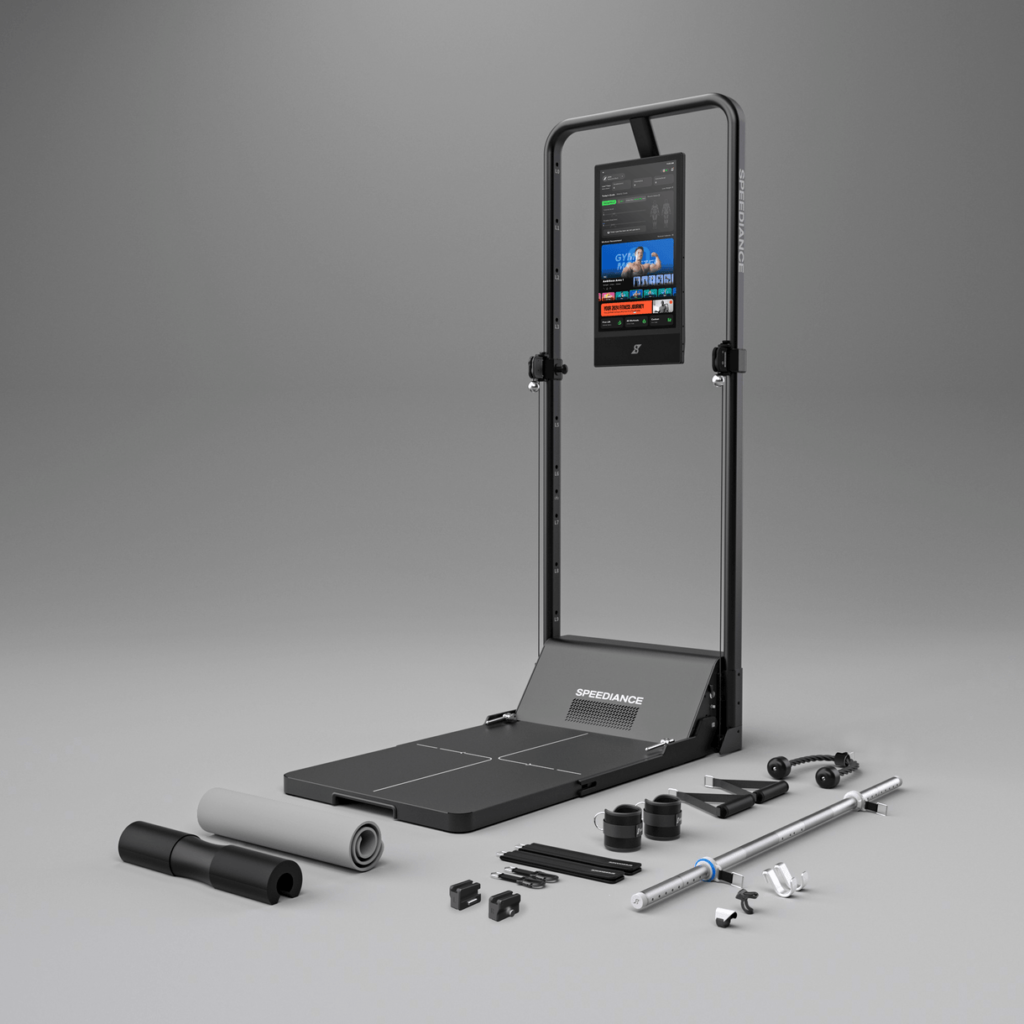
Before your first workout, proper assembly and placement lay the foundation for safe, effective training. Start by unpacking all components and cross-referencing them with your machine’s manual. Organize bolts, pins, and cables by size, and confirm nothing is missing before you begin. Most machines require basic tools like Allen keys and adjustable wrenches, though many manufacturers include these in the box. Follow the assembly sequence exactly as written, since skipping steps often means backtracking later. Tighten all bolts firmly but avoid over-torquing, which can strip threads or crack plastic housings. Once assembled, placement matters more than most people realize. Position your machine on a flat, solid surface, ideally on rubber matting to protect your floor and reduce vibration. Leave at least three feet of clearance on every side where moving parts extend, including cable paths and lever arms. Check that the unit doesn’t wobble by pushing it gently from different angles, and use leveling feet if your floor is uneven. Before loading any weight, sit in each station and test the range of motion with zero resistance. Confirm that pulleys track smoothly, seats lock securely, and safety catches engage properly. This five-minute inspection prevents injuries and gives you confidence that every component functions as intended.
How to Use Various Attachments for Full-Body Workouts
Identifying and Understanding Different Attachments
Most home gym machines ship with several attachments, each engineered for specific movements and muscle groups. The lat bar is a wide, slightly curved bar that clips onto the high pulley for vertical pulling exercises targeting your back and biceps. The tricep rope consists of two braided cord ends with rubber stoppers, designed for pushdowns and face pulls that isolate your triceps and rear deltoids. A short straight bar works well for bicep curls and upright rows, while a D-handle provides a single grip point for unilateral work like one-arm rows or chest flyes. Ankle straps wrap around your lower leg and connect to the low pulley, opening up glute kickbacks, hip abductions, and leg curls. Understanding which attachment pairs with which cable position is half the battle, so spend a few minutes connecting each one and pulling gently to feel the intended movement path.
Step-by-Step Exercise Instructions with Attachments
For lat pulldowns, clip the lat bar to the high pulley, sit with your thighs secured under the pad, and pull the bar to your upper chest while squeezing your shoulder blades together. Control the return for a count of two. Aim for three sets of ten to twelve repetitions. For seated cable rows, attach the D-handle or short bar to the low pulley, plant your feet on the platform, and pull toward your midsection while keeping your back straight. This movement balances the pushing work you do on chest presses and helps prevent muscle imbalance between your front and rear torso. Tricep pushdowns use the rope on the high pulley—keep your elbows pinned to your sides and extend your forearms downward until your arms are straight. For lower body work, strap the ankle cuff on and perform standing kickbacks with slow, deliberate reps to engage your glutes fully. Across all exercises, exhale during the effort phase, maintain a neutral spine, and select a resistance that challenges the final two reps without compromising your form.
Correcting Muscle Imbalance with Constant Resistance Training
The Role of Constant Resistance in Balanced Fitness
Muscle imbalance occurs when one muscle group becomes significantly stronger or tighter than its opposing group, or when your dominant side overpowers the weaker one. For beginners, this often shows up as a chest that overpowers the upper back, or a right arm that does most of the heavy lifting during bilateral exercises. Left unchecked, these imbalances lead to poor posture, joint pain, and increased injury risk. This is where constant resistance training becomes invaluable. Unlike free weights, where tension fluctuates depending on the angle of the lift, cable-based machines maintain uniform load throughout the entire range of motion. Your muscles never get a “rest point” mid-rep, which forces both sides to contribute equally and builds strength evenly across the full movement arc. This consistent tension also recruits stabilizer muscles that might otherwise remain dormant, promoting symmetrical development that protects your joints over time.
Practical Exercises to Address Imbalances
The most effective strategy is incorporating unilateral exercises into your routine. Using a single D-handle, perform one-arm cable chest presses and one-arm rows, completing all reps on your weaker side first, then matching that number on your stronger side. This prevents your dominant arm from compensating. For lower body imbalances, single-leg cable kickbacks and split-stance leg presses reveal strength discrepancies between your left and right sides. A simple weekly structure might pair chest presses with an equal volume of seated rows on one day, then match overhead presses with face pulls on another, ensuring pushing and pulling muscles develop in proportion. Track your weights and reps in a notebook, watching for the gap between sides to close over several weeks. When both sides can handle the same resistance for the same rep count, you’ve successfully corrected the imbalance.
Motivation and Tips for Starting Your Home Fitness Journey
The biggest obstacle isn’t learning the machine—it’s showing up consistently. Start by setting one small, specific goal rather than a vague ambition. Instead of “get fit,” commit to three twenty-minute sessions per week for the first month. Write your workout days into your calendar as non-negotiable appointments, and treat them with the same respect you’d give a meeting. Early on, progress comes quickly, so track your weights and reps after every session. Watching those numbers climb week over week builds momentum that keeps you coming back. On days when motivation dips, remind yourself that even a shortened workout beats skipping entirely. Your exercise machine isn’t going anywhere—it’s a long-term home workout solution that adapts as you grow stronger. Celebrate small wins like adding five pounds to your lat pulldown or completing an extra rep on rows. These incremental victories compound into transformative results over months, and before long, your home gym routine will feel as natural as your morning coffee.
Maintenance and Safety Best Practices for Longevity
Your exercise machine is an investment that rewards consistent care with years of reliable performance. Once a week, wipe down all pads, grips, and frames with a damp cloth to remove sweat and dust that can degrade materials over time. Every month, inspect your cables for fraying or kinking—run a cloth along their length and feel for any rough spots that signal wear. Apply silicone-based lubricant to guide rods and pulley wheels quarterly to keep movements smooth and quiet. Check that all bolts remain tight, since vibration from regular use can gradually loosen connections. Replace worn cables or cracked pulleys immediately rather than waiting for a failure mid-exercise. During workouts, always warm up with five minutes of light movement before loading resistance, and never exceed the machine’s stated weight capacity. Use controlled movements rather than jerking or swinging, which stresses both your joints and the equipment’s structural components. If you train alone, stick to weight levels you can manage without a spotter, and always engage safety pins or catches when they’re available. These simple habits protect both your body and your machine for the long haul.
Your Roadmap to Confident Home Gym Training
Using an exercise machine at home doesn’t have to be complicated. Throughout this guide, we’ve covered the essential steps that transform an intimidating piece of equipment into your most reliable fitness tool. You now understand the different machine types and how constant resistance keeps your muscles engaged through every repetition. You know how to assemble and position your equipment for maximum safety, and you’ve learned which attachments target which muscle groups so you can build a complete full-body routine. Perhaps most importantly, you understand how to identify and correct muscle imbalances through unilateral training and balanced programming, protecting your joints and posture for years to come. Consistency and maintenance round out the equation—showing up three times a week and caring for your machine ensures both you and your equipment stay in peak condition. The knowledge is in your hands now. Pick your first three exercises, set a manageable resistance, and commit to your initial week of training. Every expert was once a beginner, and your home gym is ready whenever you are. Start today, track your progress, and watch as small daily efforts build into the stronger, healthier version of yourself you’ve been working toward.