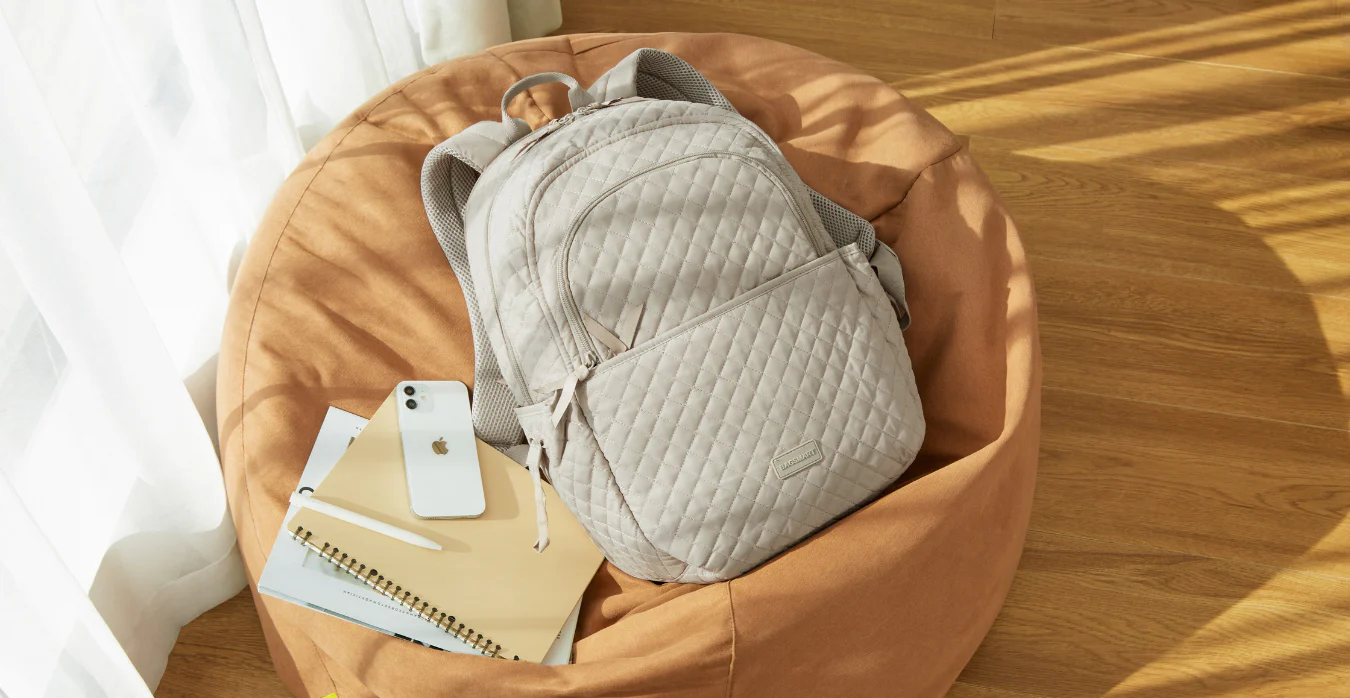
Choosing a school backpack involves way more factors than just grabbing whatever looks cool or costs least. Pediatric health organizations consistently warn that poorly fitted backpacks contribute to back pain, shoulder strain, and posture problems in school-age children. Studies tracking student health found that about 55% of students report back pain related to heavy backpacks, and the problem starts as early as elementary school. The right backpack distributes weight properly, fits the student’s body size, holds everything they actually need, and looks acceptable enough that they’ll use it without complaining. All four elements matter—nail three but fail on one and you’ll likely be buying another backpack within months. The good news is that understanding what to look for makes the selection process much clearer than wandering store aisles hoping something works out.
Size Proportions Based on Body Dimensions
Backpacks should match the wearer’s torso length, not their grade level or age. A tall Year 7 student and a short Year 9 student might need the same backpack size despite being two years apart. Measure from the prominent bone at the base of the neck down to the top of the hip bones—this is your torso length. The backpack should span most but not all of this distance, sitting about 5cm below the shoulders and ending at or slightly above hip level. Too long and it bounces against the lower back or bottom, too short and the weight distribution is wrong. Width-wise, the backpack shouldn’t extend past the shoulders on either side when worn. For younger kids especially, parents often buy backpacks they’ll “grow into,” which seems economical but creates fit problems that stress developing bodies. If you’re going to size up, do it minimally—one size larger maximum.
Weight Distribution and Strap Design
Here’s where comfort really gets determined. The heaviest items should sit closest to the back, positioned high in the bag near the shoulder blades. This keeps the center of gravity close to the body’s natural center, reducing strain. Backpacks with multiple compartments make this easier—laptop sleeves against the back panel automatically position that weight correctly. Shoulder straps need to be wide (at least 5cm) and padded to spread pressure across more surface area. Thin straps dig into shoulders and cause pain fast, especially with heavy loads. The straps should be adjustable and long enough for proper positioning—you should be able to tighten them so the pack sits snug against the back without gaps. Sternum straps that connect across the chest prevent shoulder straps from sliding off and distribute some weight forward. Hip belts on larger backpacks transfer weight to the hips rather than shoulders, which is biomechanically much better for heavy loads over 5kg.
Compartment Configuration and Organization
Internal organization prevents everything from becoming a jumbled mess at the bottom of the bag. A dedicated laptop or tablet sleeve with padding protects devices and keeps them separate from books and lunch containers that might leak. Water bottle pockets on the outside mean drinks don’t spill on homework and are easy to grab without opening the main compartment. Pencil cases and small items need either a front pocket or internal organizers—otherwise they sink to the bottom under textbooks and become impossible to find. Some backpacks have too many compartments, ironically making organization harder because you can’t remember where anything is. A good baseline is main compartment for books, front pocket for frequently accessed items, side pockets for water and maybe an umbrella, and a padded section for electronics. Zippers matter more than people think—YKK zippers are industry standard for reliability, while off-brand zippers often break within a school year.
Style Considerations That Age Well
Trends change quickly in school environments, and what’s cool in September might be uncool by February. Solid colors or simple patterns typically stay acceptable longer than character themes or very trendy designs. Black, navy, grey, and burgundy are perennially safe choices that work across age ranges. If your kid wants color, consider backpacks with neutral bases and colorful accents they can appreciate now without regretting later. Brand visibility is a consideration—some kids want recognizable brands, others prefer less obvious branding. Logo size and placement varies wildly between brands. Reflective elements add safety for students walking early morning or evening but can look less mature depending on how they’re incorporated. Ultimately, a backpack that’s comfortable and functional but your kid refuses to carry because they hate how it looks is useless, so their input matters within the parameters you set.