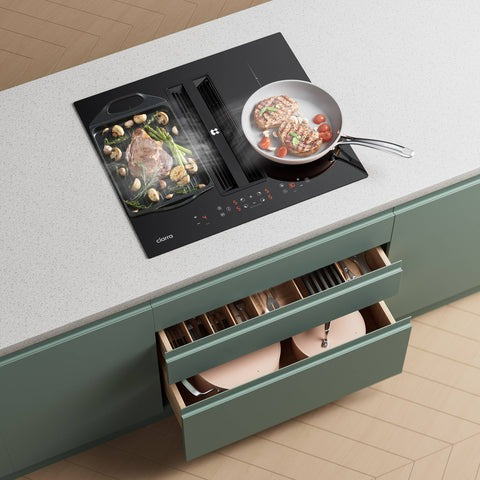
Hiring a private chef at home is a different kind of transaction from booking a restaurant table or ordering from a meal delivery app. You are bringing a professional into your home, entrusting them with your dietary needs and preferences, and depending on their skill, judgment, and reliability to deliver an experience that justifies the investment. Done well, it is one of the most enjoyable and genuinely useful services a household can access. Done poorly, it is an expensive disappointment.
The difference between those two outcomes is mostly determined before anyone sets foot in your kitchen. This guide covers what to consider when hiring a private chef in Canada, from clarifying what you actually need to vetting candidates, negotiating the arrangement, and making sure your first session goes smoothly.
start by defining what you actually need
Private chef services cover a broad range of formats, and the chef who is perfect for one format may be entirely wrong for another. Before you start looking, be specific about what you want.
If you want someone to cook a week’s worth of meals in a single session, you need a chef who is organized, efficient, and skilled at batch cooking for multiple days. If you want a single spectacular dinner party experience, you need someone with strong front-of-house awareness, the ability to design a multi-course menu that tells a story, and the composure to execute it for six to ten guests in a home kitchen environment. If you want ongoing household meal service, you need someone dependable, adaptable to your evolving preferences, and comfortable working in your space week after week.
These are meaningfully different skill sets. A chef who has spent ten years in high-end restaurant kitchens may excel at dinner party experiences but find the repetitive, efficient structure of weekly meal prep less interesting. A chef who has built a private household cooking practice may be highly reliable for weekly service but less oriented toward theatrical multi-course presentation. Know what you need before you evaluate anyone.
where to find private chefs in Canada
The market for private chef services in Canada has become more structured in recent years, with several avenues now available for finding and vetting candidates.
digital platforms and chef booking apps
Technology-driven platforms connecting clients with local vetted chefs have become the most accessible entry point for most Canadians. These services handle profile verification, booking, payment, and often provide a framework for communicating dietary requirements and menu preferences. The chef pool on these platforms varies in quality, so reading reviews carefully and asking specific questions before booking is important. In major Canadian cities, these platforms have developed enough that you can often find a well-reviewed chef for a specific date within a week of searching.
referrals from trusted networks
Word of mouth remains the most reliable source for finding a private chef who will deliver consistently. A chef recommended by someone in your social or professional network who has used them multiple times, and whose taste and standards you know, carries a level of pre-qualification that no online review can match. In Canadian cities with active food communities, asking among well-connected food-oriented friends often surfaces excellent candidates who are not heavily marketed but have built strong reputations through client relationships.
culinary schools and restaurant connections
Canada’s major culinary schools in Toronto, Vancouver, and Montreal produce graduates who often offer private chef services early in their careers at more accessible price points while building their portfolio. Reaching out to a culinary school’s alumni network or career services department can surface talented chefs who are motivated and skilled but not yet commanding premium rates. Alternatively, approaching a well-regarded local restaurant and asking whether any of their chefs take private engagements is a method that occasionally surfaces exceptional talent.
what to ask before you hire
The consultation before booking a private chef is where most of the important information is exchanged. A chef who handles this conversation well, who asks the right questions about your dietary needs, cooking equipment, kitchen layout, and expectations, is demonstrating the professionalism that will carry through to the actual service. A chef who is vague, impatient, or dismissive of your questions in the consultation will likely be the same during the engagement.
Questions worth covering before hiring include: What is your culinary background, specifically in terms of the type of cooking most relevant to what I need? Do you carry liability insurance, and do you have a food handler’s certificate or equivalent certification? How do you handle dietary restrictions and allergies? Can you provide references from previous clients with similar engagements? How do you structure pricing, specifically the split between your service fee and grocery costs? What happens if you need to cancel? What does your cleanup process include?
A chef who answers these questions clearly and thoroughly is giving you a clear signal about their professionalism. One who deflects, overpromises, or makes you feel that asking is unreasonable is giving you a different signal entirely.
dietary requirements: the conversation you cannot skip
One of the defining advantages of hiring a private chef over dining at a restaurant is the level of dietary precision available. But that precision only materializes if the communication about dietary requirements is thorough and honest on both sides.
Be specific about allergies versus intolerances versus preferences. An allergy that triggers anaphylaxis requires a different level of rigor than a preference to avoid gluten because you feel better without it. A chef who treats these as equivalent is not taking your safety seriously. A chef who asks clarifying questions about the severity of restrictions and adjusts their sourcing and preparation accordingly is demonstrating the right professional approach.
In 2026, private chefs in Canada are expected to be fluent across a wide range of dietary frameworks: vegan, vegetarian, plant-forward, gluten-free, dairy-free, paleo, keto, anti-inflammatory protocols, and various elimination diets. The most in-demand private chefs are those who can deliver menu diversity and genuine culinary quality within these constraints, rather than simply removing ingredients and serving diminished versions of standard dishes. If dietary requirements are central to your engagement, testing a chef’s approach to this in the consultation, by asking specifically how they would design a menu within your constraints, tells you a great deal about their actual capability.
menu design: what to expect and what to ask for
A good private chef does not hand you a fixed menu and ask you to choose from it. They begin with a conversation about your preferences, the occasion, the season, the ingredients you love and those you dislike, and then propose a menu that reflects all of that. The best private chefs in Canada in 2026 are working with local and seasonal ingredients, building menus that reflect Canada’s regional diversity and the culinary traditions of their clients’ backgrounds and interests.
For a dinner party, ask the chef to propose two or three menu options at different price points and discuss them before deciding. The conversation itself tells you whether the chef is genuinely creative and knowledgeable or simply working from a repertoire of reliable crowd-pleasers. A chef who can explain why certain flavors and textures complement each other across a multi-course progression, and who adjusts the proposal based on your feedback, is demonstrating the depth of knowledge that justifies a premium rate.
For weekly meal service, the menu discussion should happen every week, not once at the beginning of the arrangement. A chef who designs menus that respond to seasonality, ingredient quality, and your evolving preferences is providing a fundamentally different and more valuable service than one who cycles through the same ten recipes.
making your kitchen work for the chef
A private chef works in your kitchen, which means the condition and equipment of that kitchen affects the quality of what they can produce. Before a chef arrives, particularly for the first session, ensure the kitchen is clean and organized, that you know where everything is so you can answer questions quickly, and that any equipment the chef has indicated they will need is available and functioning.
Most private chefs carry their own knives and a few key tools, but they are working with your pots, pans, oven, and refrigerator. If you have a specific piece of equipment that is difficult to use or unreliable, tell the chef in advance. If your oven runs hot or cold, say so. If your refrigerator has limited space, let them know before they arrive with groceries. These practical details are small but they affect the chef’s ability to execute at the level you are paying for.
FAQ: hiring a private chef in Canada
how much should I expect to pay for a private chef dinner party in Canada?
Expect $100 to $250 per person for a full-service private dinner party in a major Canadian city, plus grocery costs billed separately at cost. For an intimate dinner of six to eight guests, a total of $800 to $2,500 is a reasonable range depending on the menu complexity and the chef’s experience level.
should a private chef in Canada have insurance and food safety certification?
Yes to both. A private chef should carry general liability insurance covering their work in your home, and should hold a valid food handler’s certificate or equivalent provincial food safety certification. These are basic professional requirements, and a chef who cannot provide them is not operating at a professional standard.
what is the difference between a personal chef and a private chef?
The terms are often used interchangeably, but in professional contexts, a personal chef typically provides ongoing meal preparation services for a single household, often on a weekly basis. A private chef may refer more specifically to a chef who works exclusively for one household full-time, or who provides event-based cooking for private clients. For most Canadian clients booking a home chef for a dinner party or weekly meals, the distinction is less important than the chef’s skill and fit for the engagement.
do I need to provide groceries for a private chef?
Most private chefs in Canada shop for groceries as part of the service and bill the cost to the client at cost, with no markup. This is standard practice and is part of what ensures the chef can source the best available ingredients for the menu they have designed. Confirming the grocery arrangement, specifically how costs are tracked and billed, is a conversation to have before the first session.
how far in advance should I book a private chef in Canada?
For a significant dinner party or special occasion, booking two to four weeks in advance is advisable in major Canadian cities, particularly for high-quality chefs with established reputations who have limited availability. For a first-time weekly service arrangement, giving two weeks of lead time allows for a proper consultation, menu planning discussion, and logistics confirmation before the first session.