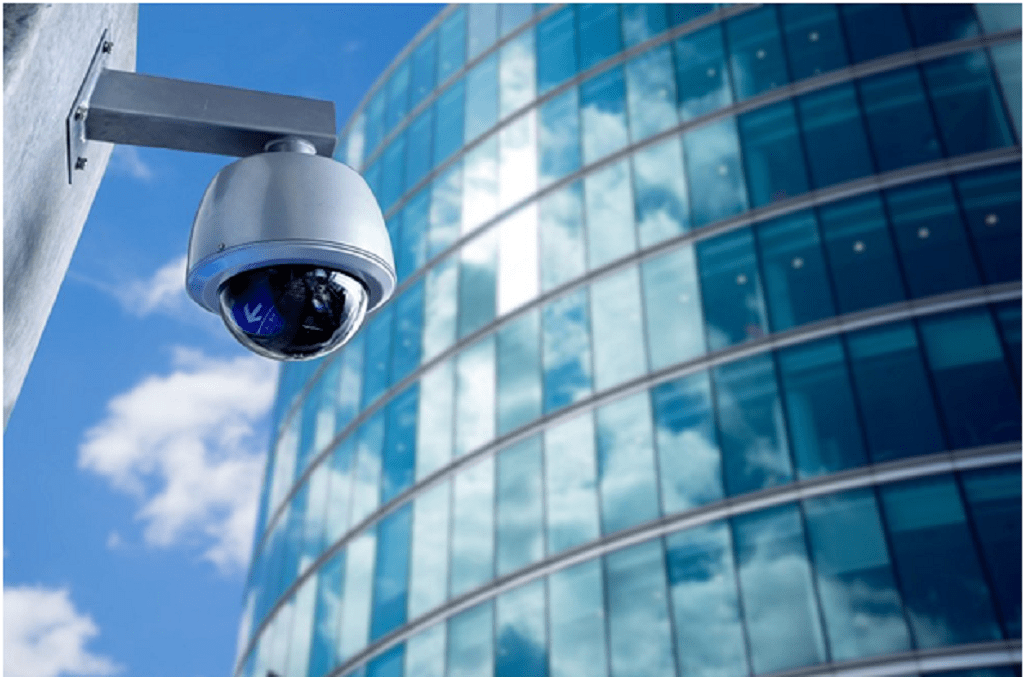
In today’s fast-paced business environment, the security of physical assets, confidential information, and personnel is paramount. With the rise in security threats, businesses of all sizes invest in video surveillance systems as a critical component of their security measures.
However, choosing the right video surveillance system involves navigating a complex landscape of technology options, legal considerations, and strategic placement. This comprehensive guide aims to simplify the process, ensuring that your investment enhances the safety and integrity of your business.
Understanding Your Surveillance Needs
Before diving into the vast market of video surveillance systems, it’s essential to assess your business’s specific needs. Consider the following questions: What are the main security threats to your company?
Which areas are most vulnerable or require monitoring? Are there particular times of the day when security risks increase? The answers to these questions will guide you in selecting a system that meets your current requirements and has the flexibility to adapt to future challenges.
How To Connect CCTV Camera to TV Without DVR! Check out our step-by-step instructions for hassle-free live monitoring at home.
Evaluating System Types and Features
Video surveillance technology has advanced significantly, offering a range of systems from primary analogue cameras to sophisticated networked systems. While less expensive, analogue cameras provide lower resolution and require a direct connection to recording devices. On the other hand, IP (Internet Protocol) cameras provide high-resolution video and the ability to monitor footage remotely via the Internet.
When selecting a system, consider the following key features:
- Resolution: Higher-resolution cameras provide more explicit images, crucial for identifying individuals or details in video footage.
- Field of View: The camera’s lens determines how wide an area it can capture. Depending on your surveillance area, you may need a wide-angle lens or multiple cameras to cover the space adequately.
- Night Vision: For businesses that require round-the-clock surveillance, cameras with night vision capabilities ensure that your property is monitored effectively in low-light conditions.
- Motion Detection: Cameras with motion detection can save storage space and focus attention on potential security threats by only recording when movement is detected.
- Storage and Accessibility: Modern video surveillance systems offer various storage options, including on-site servers and cloud-based solutions. Consider how much storage you’ll need and how easily you can access the footage.
Legal Considerations and Compliance
Understanding the legal implications of installing a video surveillance system is crucial. Privacy laws vary by location, and businesses must ensure their surveillance practices comply with local regulations. This includes notifying employees and visitors of the presence of cameras and avoiding areas where individuals have a reasonable expectation of privacy, such as bathrooms or locker rooms.
Professional Installation and Maintenance
While some businesses may opt for a DIY approach, professional installation ensures your system is set up correctly and optimally. A professional installer can provide valuable advice on camera placement, ensuring that critical areas are covered without infringing on privacy rights. Additionally, they can assist in integrating your video surveillance system with other security measures, creating a comprehensive security strategy for your business.
For businesses in Vancouver, seeking a reputable provider for “security camera installation vancouver” ensures that your system is installed by experts familiar with the local landscape and legal requirements, optimizing your investment’s effectiveness and compliance.
Conclusion
Choosing the right video surveillance system for your business is a critical decision that impacts your company’s security and operational efficiency. By understanding your needs, evaluating the available technology, considering legal requirements, and opting for professional installation, you can ensure that your surveillance system is a robust foundation for your business’s security strategy. Remember, the objective is not just to record criminal activity but to deter it, providing a safe and secure environment for your employees, customers, and assets.
The site provides a way to find driving lessons near me and arrange theory and practical lesson bookings. For people wanting to learn to drive fast and stay organized with lesson schedules, this could be a good option — just make sure to confirm costs and instructor details before booking