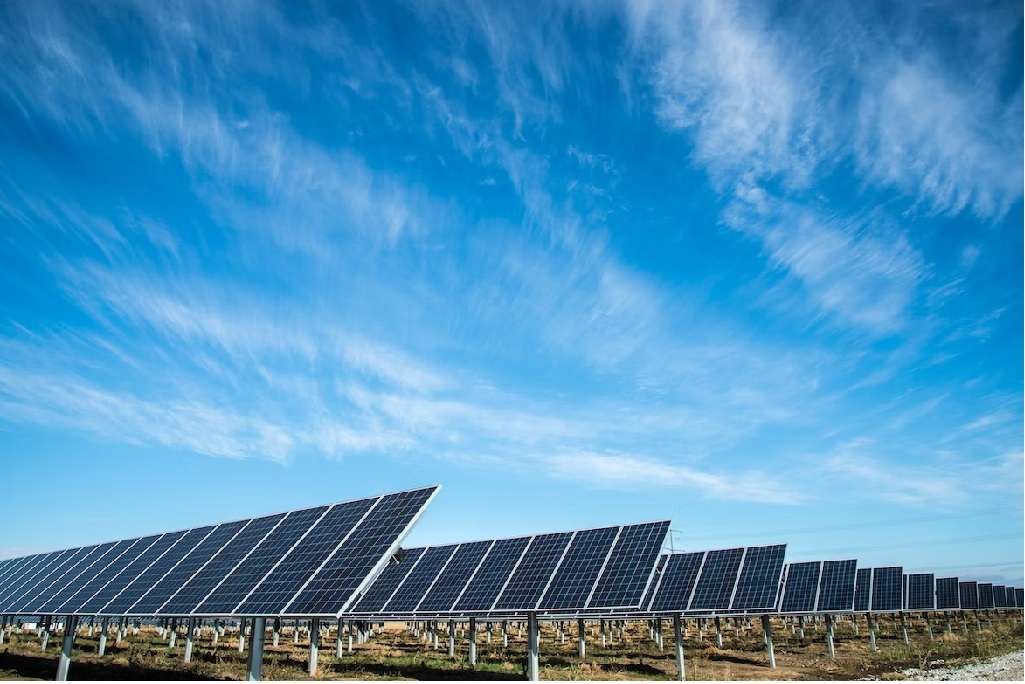
Recently, the rise in solar panel technology has been much more than just an advancement in renewable energy; it’s been a powerful force for uplifting communities everywhere. The integration of Motor Control Centers in solar energy systems isn’t just helping the environment; it’s also driving economic and social change, especially at the local level. These centers are crucial for managing and optimizing the performance of solar panels, further enhancing the impact of this green technology.
From small rural villages to bustling urban areas, solar panels are making a big difference. They’re helping people become more self-reliant, creating new jobs, and improving the quality of life. In this detailed look, we’ll explore the various ways solar panels are positively impacting people’s lives, boosting local economies, and paving the way for a greener, more sustainable future.
The Transformational Impact of Solar Panels in Rural and Remote Areas
Solar panels have become a vital source of power in many rural and remote areas, places where traditional electricity grids are often out of reach. For these communities, solar energy has been a breakthrough, giving them access to electricity for the first time.
This new availability of power has changed their daily lives, allowing activities in the evening, running important devices, and helping small businesses to grow. Especially in areas where setting up regular power lines is too costly or difficult, solar panels have emerged as an affordable and practical solution.
Economic Empowerment through Solar Energy
Solar panels are becoming a key driver of economic progress in communities around the world. In areas where electricity used to be unreliable or expensive, switching to solar power has cut costs and improved how much work can get done. This change has been especially helpful for small businesses and farms, where solar-powered tools and irrigation systems have led to better production and efficiency.
On top of that, the growing solar industry is creating new jobs in everything from installing panels to building and selling them. This growth isn’t just about more jobs; it’s also about giving people new skills and opportunities.
Solar Power Making a Difference in Cities
In cities, solar panels are helping people and businesses become less dependent on traditional energy sources, leading to lower electricity bills. More and more, we’re seeing solar panels on the rooftops of homes and businesses. These solar setups are great for cutting energy costs.
They also play a part in reducing the overall environmental impact of urban areas by lowering carbon emissions. In cities struggling with air pollution, moving to solar energy is making the air cleaner and creating a healthier living environment.
Overcoming Challenges and Looking Ahead with Solar Power
While solar panels offer many advantages, there are still some hurdles to their widespread use. The cost of setting them up initially, though it’s getting lower, remains a challenge for certain communities. Also, the performance of solar panels can vary depending on where they are and the local weather conditions. But the good news is that technology is constantly improving. These advancements are making solar panels more effective and more affordable, paving the way for a future that’s both brighter and greener.
Boosting Sustainability and the Environment with Solar Power
The growing use of solar panels is playing a key role in the movement towards more sustainable living. By using less fossil fuels, communities are cutting down on greenhouse gas emissions, which are a big factor in climate change.
Choosing solar power is a step towards eco-friendly habits, in line with the increasing focus on sustainable living worldwide. This switch is good not just for the planet but also for the health of people in these communities. It helps to lower the air and water pollution that usually comes from traditional energy sources.
Gaining Energy Independence with Solar Panels
Adopting solar panels is leading communities towards a significant goal: energy independence. When they generate their own electricity through solar power, they rely less on the national power grid and other external energy sources, which can be inconsistent and have fluctuating costs.
This self-sufficiency isn’t just convenient; it’s a smart move, especially for remote areas that might face natural disasters or political issues that disrupt usual energy supplies.
Educational Outreach and Awareness
As solar energy becomes more popular, there’s a growing focus on teaching people about its advantages. Schools, non-profit organizations, and solar energy companies are running programs to tell the public about how solar power works and its lasting benefits. These educational efforts are key in creating a well-informed group of consumers who know why sustainable habits are important and can make smart decisions about their energy use.
Conclusion
Solar panels, much like an electrical control panel, do much more than just produce energy. They’re a driving force for positive change and empowerment, providing a dependable and green energy source, akin to how an electrical control panel efficiently manages power. This helps communities become more independent, financially secure, and aware of their environmental impact.
As solar technology keeps improving and becomes easier for more people to use, it’s likely to play an even bigger role in empowering local communities. This puts us on a path to a future that’s not only more sustainable but also fairer for everyone.
Photo Credit: Unsplash