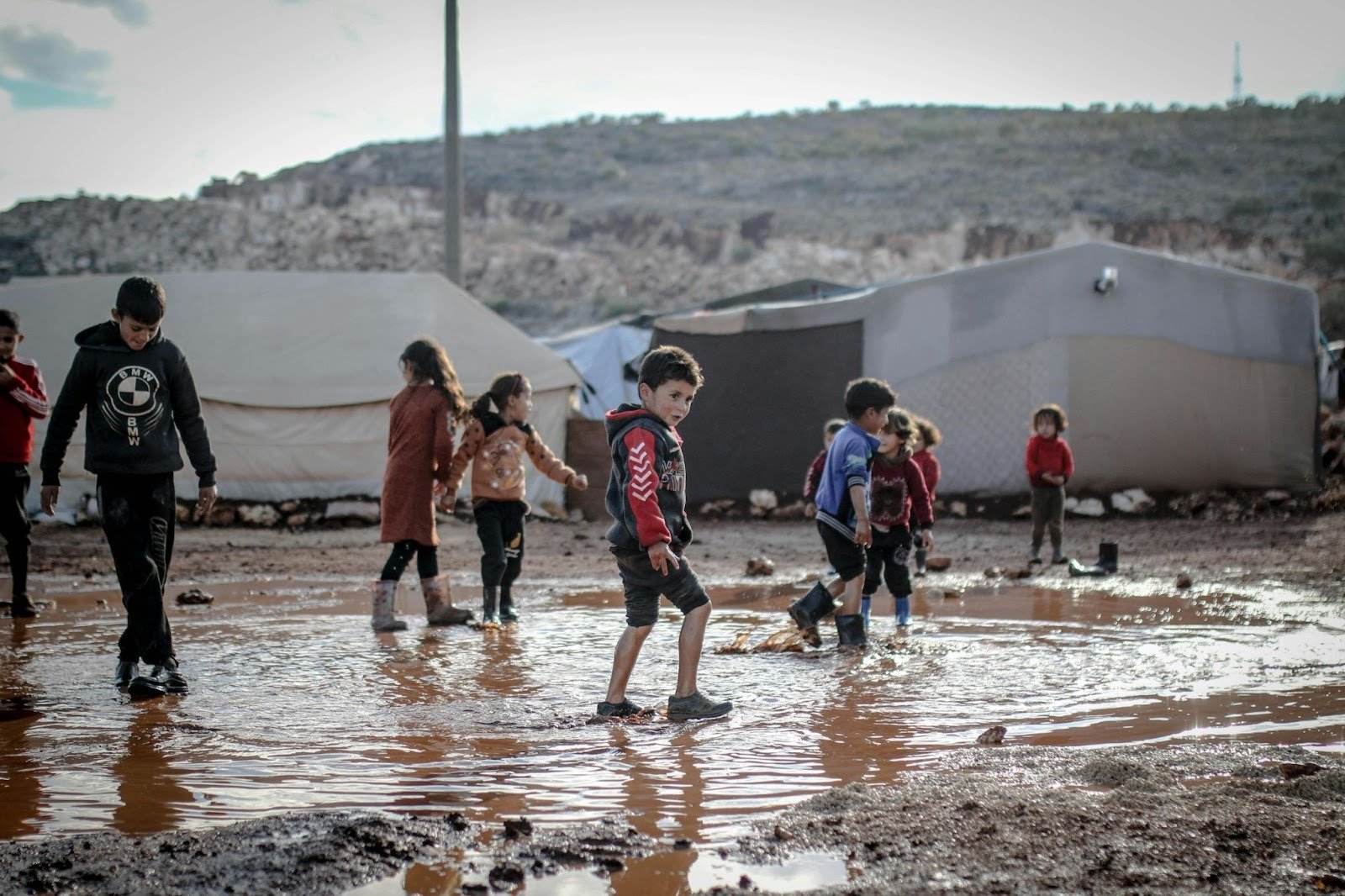
Armed conflict disrupts every part of a child’s life. Schools close. Families flee. Communities break apart. In these conditions, children face violence, exploitation, and neglect. That is why helping children affected by war must remain a clear priority for all of us.
Safe spaces are one of the most practical tools used in helping children affected by war. When you understand how these spaces work, you can better support efforts that truly protect children in crisis.
What Are Safe Spaces in Conflict Areas?
A safe space is a structured and supervised place where children can gather without fear of harm. It may operate in a tent, a school building, a community centre, or a temporary shelter. The setting matters less than the safeguards in place.
Safe spaces usually provide:
- Supervised activities
- Basic learning sessions
- Psychosocial support
- Referral to health and protection services
- Clear codes of conduct for staff and volunteers
Local organizations, international agencies, and community leaders often work together to run them. Strong child protection programs guide their structure and standards.
Why Do Children Face Higher Risks During Conflict?
When conflict erupts, systems that protect children weaken or collapse. Law enforcement may stop functioning. Schools may shut down. Families may separate while fleeing violence. Children face specific risks, including:
- Recruitment by armed groups
- Physical and sexual violence
- Child labour
- Early and forced marriage
- Trafficking
- Emotional trauma from exposure to violence
Safe spaces respond directly to these risks. They reduce exposure to harm and rebuild a sense of stability.
How Do Safe Spaces Reduce Violence and Harm?
Safe spaces work because they address both physical safety and emotional well-being.
#1 Physical Protection
Safe spaces limit children’s exposure to dangerous environments. Staff register children who attend. They track attendance. They verify who is allowed to pick up younger children.
Clear rules prevent abuse inside the space. Staff receive training on safeguarding and reporting procedures. Background checks, where possible, add another layer of protection.
When you support child protection programs, you help maintain these standards.
#2 Emotional and Psychological Support
Children in conflict zones often witness violence or lose loved ones. Trauma can affect their sleep, concentration, and behaviour.
In safe spaces, trained facilitators lead structured activities that help children process emotions in healthy ways. These may include:
- Guided discussions.
- Art and drawing sessions.
- Storytelling.
- Group games that build cooperation.
- Basic stress management exercises.
#3 Access to Trusted Adults
During conflict, children may not know whom to trust. Safe spaces introduce consistent, trained adults who show up every day. That consistency matters.
Children can report abuse or threats in a controlled setting. Staff follow clear procedures to respond. This link to protection services is a core part of effective child protection programs.
When children know that someone will listen and act, they are more likely to speak up.
#4 Education and Routine
Conflict disrupts schooling. Without routine, children can lose a sense of normal life.
Safe spaces often provide informal education. They teach literacy, numeracy, and life skills. They also create a daily schedule. Even simple routines help children regain a sense of control.
Structured days reduce idle time. This lowers the risk of recruitment or exploitation.
How Child Protection Programs Make Safe Spaces Effective?
A safe space without strong oversight can fail. Structure and accountability matter. That is where child protection programs play a central role. Effective programs include:
- Clear safeguarding policies
- Staff training on child rights and trauma
- Reporting systems for abuse
- Confidential data management
- Regular monitoring and evaluation
Community involvement strengthens these efforts. Parents and local leaders help shape rules. They support attendance. They report concerns.
Coordination with health, education, and social services ensures children receive full support. Protection does not happen in isolation.
Canadian organizations that fund or implement child protection programs often follow international standards such as the Minimum Standards for Child Protection in Humanitarian Action. These standards provide clear guidance on safety, accountability, and quality.
What Should You Look for in Strong Child Protection Programs?
If you donate, volunteer, or advocate, you need to assess the strength of the program you support. Clear criteria help you make informed choices. Look for programs that:
- Publish safeguarding policies
- Train all staff and volunteers
- Have clear complaint mechanisms for children
- Work closely with local communities
- Share regular impact reports
- Coordinate with other protection actors
Ask direct questions.
How do they prevent abuse inside their own spaces?
How do they respond to reports? How do they measure impact?
Transparent answers show commitment.
How You Can Support Safe Spaces for Children?
You do not need to work in a conflict zone to make a difference. Your actions in Canada matter.
You can:
- Donate to trusted organizations that run safe spaces.
- Advocate for sustained humanitarian funding.
- Share verified information about child protection risks.
- Support refugee families in your local community.
- Encourage schools and community groups to raise awareness.
Financial support allows programs to hire trained staff, buy materials, and maintain secure facilities. Advocacy helps ensure that child protection remains a funding priority in international assistance budgets.
When you speak up for helping children affected by war, you help keep their safety on the public agenda.
Safe spaces cannot end conflict. They cannot erase loss. They can, however, reduce harm in practical ways. They create structure where chaos exists. They provide supervision where none remains. They connect children to adults who care and act.
Child protection programs anchor these efforts in clear standards and accountability. Without them, safe spaces risk becoming informal gathering spots without real safeguards. With them, safe spaces become structured protection hubs.
Children in conflict zones need more than sympathy. They need safe places, trained adults, and consistent support. When you understand how safe spaces work, you can direct your support wisely.
Your choice to back strong child protection programs contributes to safer environments for children who face violence every day. That support protects childhood in the middle of a crisis.