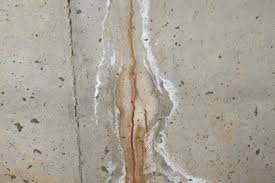
Foundation cracks and basement water problems often appear together. A homeowner may first notice a small crack in a basement wall, a damp patch after rain, or water collecting along the floor. At first, these problems may seem separate. But in many homes, foundation cracks and basement moisture are closely connected.
The foundation supports the entire structure of the home. It carries the weight of walls, floors, roofing, chimneys, masonry, and everything built above it. Because the basement is below ground level, it is also exposed to soil moisture, groundwater, heavy rain, drainage pressure, and seasonal movement. When water builds up around the foundation, it can create pressure against basement walls and find its way through cracks, joints, and weak points.
For homes in New Jersey and New York, this connection is especially important. Many properties deal with heavy rain, snowmelt, older masonry foundations, clay soil, high groundwater, poor grading, and freeze-and-thaw cycles. These conditions can cause both foundation movement and basement water intrusion.
Understanding how foundation cracks and basement leaks are connected can help homeowners act early, avoid structural damage, and choose the right repair solution.
Why Foundation Cracks Happen
Foundation cracks can happen for several reasons. Some are caused by normal concrete shrinkage or minor settling. Others are caused by water pressure, soil movement, poor drainage, weak construction, or structural stress.
Common causes of foundation cracks include:
- Natural settling of the home
- Poor soil compaction
- Heavy rain around the foundation
- Hydrostatic pressure
- Freeze-and-thaw cycles
- Tree roots near the foundation
- Poor grading
- Clogged gutters
- Short downspouts
- Soil erosion
- Foundation movement
- Water collecting beneath the basement slab
Not every foundation crack means the home is in immediate danger. However, cracks should never be ignored, especially if they are growing, leaking, widening, or appearing with other warning signs such as uneven floors, sticking doors, or bowing basement walls.
How Water Creates Pressure Against Foundation Walls
When rainwater or melting snow collects in the soil around a home, the soil becomes heavier. This creates pressure against the outside of the foundation walls. This pressure is commonly known as hydrostatic pressure.
As pressure increases, water looks for the easiest path into the basement. It may enter through:
- Foundation cracks
- Wall-floor joints
- Basement window wells
- Pipe penetrations
- Porous masonry
- Cold joints
- Gaps around utility lines
- Weak mortar joints
If the foundation already has cracks, water can make them worse. If the wall is under constant pressure, new cracks may form. Over time, this can lead to basement leaks, mold, wall movement, and structural concerns.
This is why basement waterproofing services often focus on drainage as much as sealing. If water pressure is not controlled, cracks may continue to leak or return after repairs.
Common Types of Foundation Cracks
Different cracks can mean different things. Some are more common and less severe, while others may point to serious structural movement.
Hairline Cracks
Hairline cracks are thin cracks that often appear in poured concrete foundations. They may be caused by shrinkage as concrete cures. If they are not leaking or growing, they may only need monitoring. However, if water enters through them, repair may still be needed.
Vertical Cracks
Vertical cracks often run up and down the wall. They may be caused by settling, shrinkage, or minor movement. Many vertical cracks can be repaired with professional crack injection if there is no serious structural movement.
Diagonal Cracks
Diagonal cracks may indicate uneven settlement. These cracks can be more concerning if they are wider at one end or continue growing over time.
Stair-Step Cracks
Stair-step cracks are common in block, brick, or masonry foundations. They follow the mortar joints in a step-like pattern. These cracks may indicate settlement, soil movement, or structural stress.
Horizontal Cracks
Horizontal cracks are often more serious. They may mean that soil or water pressure is pushing the wall inward. If a horizontal crack appears with bowing or leaning, the wall should be inspected quickly.
Why Basement Leaks Often Appear After Heavy Rain
Many homeowners notice basement water problems after storms. This happens because heavy rain saturates the soil around the home. If the property does not have proper drainage, water collects near the foundation and increases pressure against the basement walls.
Water may enter the basement when:
- Gutters overflow
- Downspouts discharge too close to the house
- Soil slopes toward the foundation
- Exterior drains are clogged
- Foundation cracks are open
- Window wells fill with water
- Sump pumps fail
- Basement waterproofing systems are missing or outdated
A basement that only leaks during heavy rain still has a problem. Occasional leaks can lead to mold, damaged belongings, flooring damage, and foundation deterioration over time.
Foundation Cracks and Wall-Floor Joint Leaks
One of the most common basement water problems occurs where the wall meets the floor. This is called the wall-floor joint. Water may appear as a wet line around the basement perimeter or as puddles along the edge of the floor.
This type of leak often happens when groundwater pressure builds beneath the basement slab or around the foundation wall. Even if no large crack is visible, water can enter through this natural joint.
Solutions may include:
- Interior drainage systems
- French drain installation
- Sump pump installation
- Foundation crack repair
- Exterior waterproofing
- Grading corrections
The right solution depends on how water is entering and how much pressure is building around the foundation.
When Foundation Cracks Cause Basement Water Damage
A leaking crack can allow water to move directly from the soil into the basement. Even a small crack can let in enough moisture to cause damage over time.
Water entering through foundation cracks can lead to:
- Mold and mildew growth
- Musty basement odors
- Peeling paint
- Damaged drywall
- Wet insulation
- Flooring damage
- Rust on appliances
- Efflorescence on walls
- Wood rot near framing
- Worsening cracks during winter
If a crack leaks once, it may leak again. Patching the inside surface may not be enough if water pressure remains behind the wall. The crack needs to be repaired properly, and drainage may need to be improved.
How Poor Drainage Makes Foundation Cracks Worse
Poor drainage is one of the biggest reasons foundation cracks return or get worse. If water is allowed to collect around the home, the foundation remains under stress.
Drainage problems may include:
- Clogged gutters
- Broken downspouts
- Short downspout extensions
- Flat or negative grading
- Poor driveway drainage
- Patio runoff toward the home
- Soggy soil near the foundation
- Clogged exterior drains
Improving drainage helps reduce pressure on basement walls. This is why foundation repair contractors often inspect the outside of the home as well as the basement interior.
French Drains and Foundation Protection
A French drain can help collect and redirect water away from the foundation. It can be installed outside near the foundation or inside the basement along the perimeter.
Exterior French drains help stop water before it reaches the wall. Interior French drains help collect water that enters or builds up beneath the basement slab and direct it to a sump pump.
French drains can help with:
- Foundation drainage
- Basement seepage
- Hydrostatic pressure
- Water at the wall-floor joint
- Soil saturation
- Yard drainage
- Water near retaining walls
For homes with recurring basement leaks, French drain installation may be an important part of a complete waterproofing solution.
Sump Pump Installation and Basement Water Control
A sump pump removes water collected in a sump basin and sends it away from the home. It is often connected to an interior drainage system or French drain.
Sump pump installation may be needed when:
- Water collects in the basement
- Groundwater rises beneath the slab
- Interior drains need a discharge point
- Basement flooding has happened before
- Water appears after heavy rain
- The property has a high water table
A sump pump should discharge water far enough from the foundation so it does not return to the basement. A battery backup system may also be helpful because power outages often happen during storms.
A sump pump does not repair foundation cracks by itself, but it helps manage water pressure and reduce flooding risk.
Basement Waterproofing and Foundation Repair Work Together
Foundation repair and basement waterproofing are closely connected. If a crack is leaking, sealing it may stop water from entering through that specific opening. But if drainage problems remain, water may find another weak point.
A complete repair plan may include:
- Foundation crack repair
- Structural reinforcement
- Interior drainage
- Exterior waterproofing
- French drain installation
- Sump pump installation
- Mortar repair
- Masonry repointing
- Gutter and downspout improvements
- Soil grading correction
Waterproofing protects the basement from moisture. Foundation repair restores strength and stability. When both are needed, they should be planned together.
Structural Warning Signs Homeowners Should Not Ignore
Some foundation cracks are not just moisture problems. They may indicate structural movement. Homeowners should act quickly when cracks appear with other signs of foundation stress.
Warning signs include:
- Horizontal foundation cracks
- Bowing basement walls
- Stair-step cracks in block walls
- Cracks wider than 1/4 inch
- Cracks that keep growing
- Uneven floors
- Doors and windows sticking
- Gaps around trim
- Chimney pulling away from the home
- Walls leaning inward
- Water entering through multiple cracks
These issues may require structural foundation repair rather than simple sealing. A professional inspection can determine whether the wall needs reinforcement, stabilization, waterproofing, or rebuilding.
Masonry Foundations and Mortar Repair
Many older homes in New Jersey and New York have masonry foundations made from block, brick, or stone. These foundations often depend on strong mortar joints. When mortar deteriorates, water can enter through gaps and weaken the wall.
Signs of masonry foundation problems include:
- Loose mortar
- Gaps between blocks or stones
- Stair-step cracks
- Damp basement walls
- White staining
- Loose masonry units
- Water seepage through joints
- Crumbling wall sections
Mortar repair or repointing may be needed alongside waterproofing. If the foundation wall is leaking through deteriorated joints, sealing the surface may not be enough. The masonry itself must be repaired.
Why DIY Crack Repair Can Fail
Many homeowners try to repair foundation cracks with store-bought sealants. While this may temporarily reduce visible leaks, DIY repairs often fail because they do not address the cause.
DIY crack repair can fail when:
- Water pressure remains behind the wall
- The wrong material is used
- The crack is structural
- The wall continues to move
- Drainage is poor
- The crack is not cleaned properly
- Moisture enters from another point
Surface patches may hide the problem, but they do not solve foundation movement or hydrostatic pressure. A professional can determine whether the crack needs injection repair, waterproofing, reinforcement, or drainage correction.
When to Call a Professional
Homeowners should call a professional if foundation cracks are leaking, growing, widening, or appearing with basement water problems. Early inspection can prevent more costly repairs later.
Call a contractor if you notice:
- Water after rain
- Cracks in basement walls
- Horizontal cracks
- Stair-step cracks
- Bowing walls
- Musty smells
- Mold growth
- White staining
- Water at the wall-floor joint
- Sump pump problems
- Foundation movement
A professional can inspect both the inside and outside of the home to identify the cause of the problem.
Final Thoughts
Foundation cracks and basement water problems are often connected. Water pressure around the home can cause cracks, make existing cracks worse, and force moisture into the basement. At the same time, foundation cracks create openings that allow water to enter more easily.
For homeowners in New Jersey and New York, drainage, waterproofing, and foundation repair should be taken seriously. Heavy rain, snowmelt, older masonry, poor grading, and soil movement can all contribute to basement leaks and structural damage.
The best solution depends on the cause of the problem. Some homes may need foundation crack repair. Others may need French drains, sump pump installation, exterior waterproofing, mortar repair, or structural reinforcement. In many cases, a combination of repairs provides the best long-term protection.
Working with experienced foundation repair contractors can help homeowners identify the source of water intrusion, protect the basement, and prevent foundation damage from getting worse. With the right basement waterproofing services and structural foundation repair when needed, homeowners can keep their property safer, drier, and stronger for years to come.