In modern construction and facility planning, flooring has evolved into something far more important than just a finishing surface. It is now considered a functional layer that directly affects operational efficiency, safety, and long-term maintenance costs. As commercial and industrial environments become more demanding, the need for stronger and more reliable flooring systems has increased significantly.
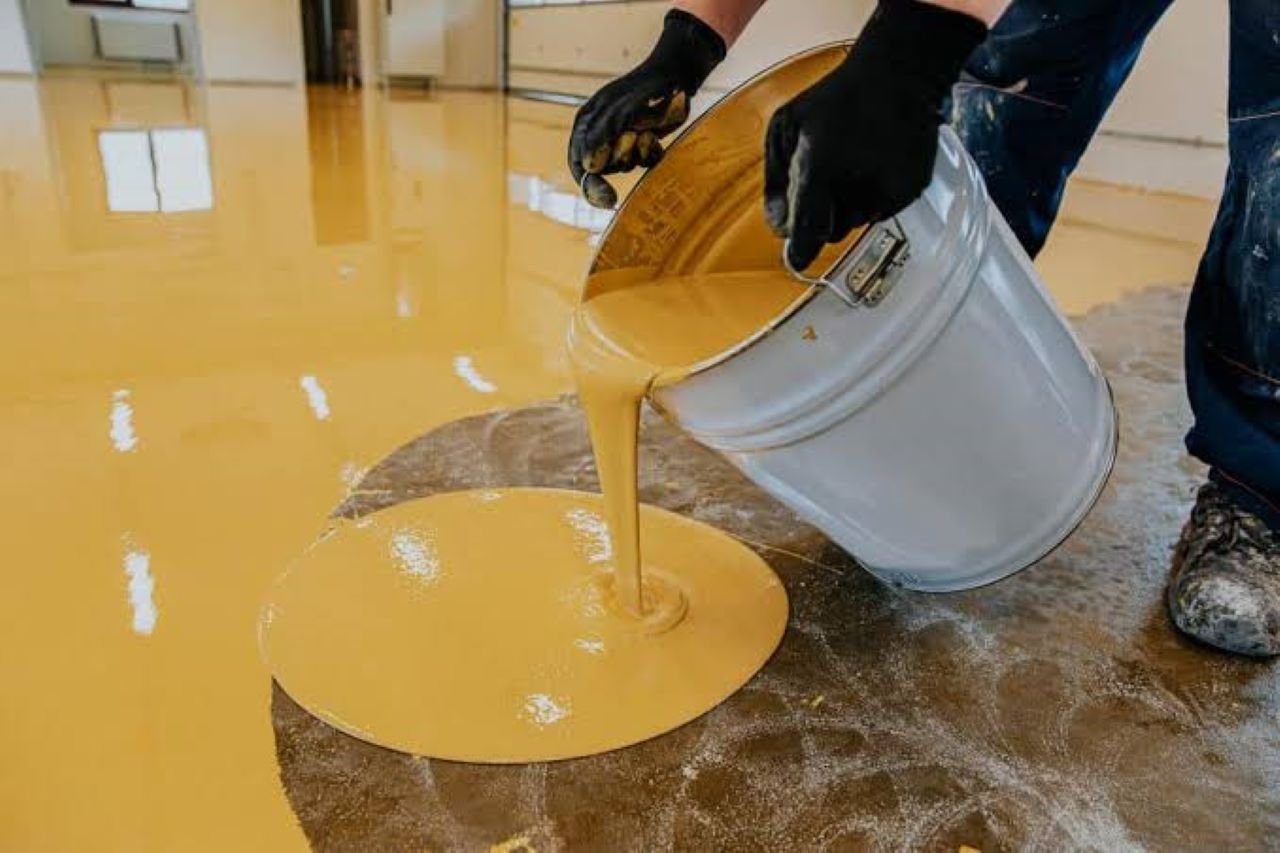
This is where surface protection solutions like floor coating are gaining attention. Instead of allowing concrete to face direct exposure to heavy traffic, chemicals, moisture, and continuous wear, businesses are now focusing on protective systems that enhance performance and extend lifespan. The goal is no longer just appearance, but long-term structural stability and reduced maintenance pressure.
Over time, it has become clear that flooring failure does not happen suddenly. It develops slowly through continuous stress, which is why modern construction strategies now focus on prevention rather than repair.
Why untreated concrete struggles under continuous operational pressure
Concrete is widely used in construction because of its strength and affordability, but its internal structure makes it vulnerable in long-term use. It contains microscopic pores that allow liquids, oils, and chemicals to slowly enter the surface.
This absorption does not create immediate damage, but over time it weakens the internal structure of the material. In high-traffic environments, this process becomes faster as constant movement increases surface stress. As a result, dusting, staining, and minor cracking begin to appear.
What looks like a solid surface in the beginning gradually turns into a maintenance challenge when left unprotected.
How different environments create unique flooring challenges
Every commercial and industrial space puts a different type of pressure on flooring systems. Warehouses deal with heavy forklifts and continuous loading operations that create deep surface impact over time. Retail spaces face constant foot movement and layout changes that lead to uneven wear patterns.
Industrial workshops add chemical exposure, oil spills, and tool impacts into the mix, which slowly break down untreated surfaces. Even in clean environments like hospitals or food facilities, moisture and strict hygiene requirements create long-term stress on flooring systems.
Because each environment behaves differently, a single untreated surface cannot deliver consistent performance across all conditions.
Why maintenance costs increase when flooring is not protected
At first glance, concrete floors seem easy to maintain. However, as surface pores begin to trap dirt, dust, and liquids, cleaning becomes more difficult over time. Regular cleaning methods stop working effectively, forcing facilities to use stronger chemicals and more frequent maintenance cycles.
This creates a hidden cost cycle where maintenance becomes more expensive, but results continue to decline. Over time, businesses end up spending more resources just to maintain basic surface conditions.
This is one of the main reasons why long-term facility planning now includes protective systems from the beginning.
How safety is directly linked to surface condition
Safety in commercial environments is heavily influenced by flooring quality. Small cracks, slippery areas, or uneven surfaces can quickly turn into operational risks if ignored. In industrial spaces, this can lead to equipment instability, while in public areas it increases slip and fall hazards.
A stable and well-protected surface helps maintain consistent traction and reduces the chances of accidents. This is why surface protection is now considered part of workplace safety strategy rather than just construction design.
Why modern facilities rely on protective surface systems
Modern infrastructure is no longer designed for short-term use. Buildings are expected to perform consistently for many years under increasing operational pressure. This is where floor coating becomes an important part of long-term planning.
Instead of repairing damage after it occurs, protective layers help prevent direct exposure of concrete to stress factors. This approach reduces long-term maintenance cycles and improves overall performance stability across the facility.
How hygiene standards depend on flooring quality
In industries like healthcare, food production, and pharmaceuticals, hygiene is a critical requirement. Unsealed concrete surfaces tend to absorb moisture and contaminants, making deep cleaning difficult and less effective.
Sealed and smooth surfaces prevent penetration, allowing dirt and bacteria to remain on the surface where they can be cleaned easily. This improves hygiene control and reduces cleaning time, which is essential in regulated environments.
Why appearance still matters in modern commercial spaces
Even though functionality is the priority, visual appearance plays an important role in how a facility is perceived. A clean and well-maintained floor creates a strong impression of professionalism and organization.
Modern protective systems allow customization in color, texture, and finish, which helps businesses align flooring design with their brand identity without sacrificing durability.
How installation quality determines long-term performance
Even the best flooring system can fail if installation is not done correctly. Proper surface preparation is essential because any dust, cracks, or moisture can affect bonding strength.
Application technique, curing time, and environmental conditions all play a role in final performance. When installed correctly, the system performs consistently under heavy stress and delivers long-term durability.
Why long-term planning matters for flooring decisions
Businesses rarely remain static. Expansion, increased traffic, and operational changes all affect flooring requirements over time. That is why flooring decisions must consider future demands, not just current needs.
A well-planned surface system ensures that performance remains stable even as operational pressure increases. This reduces the need for costly replacements or frequent repairs in the future.
Conclusion: why protective flooring is becoming a long-term necessity
Modern commercial environments demand flooring that goes beyond basic strength and appearance. It must support safety, hygiene, durability, and operational efficiency all at once.
When properly applied, floor coating becomes more than just a protective layer. It becomes a long-term investment that helps businesses reduce maintenance costs, improve performance, and build more reliable and future-ready facilities.