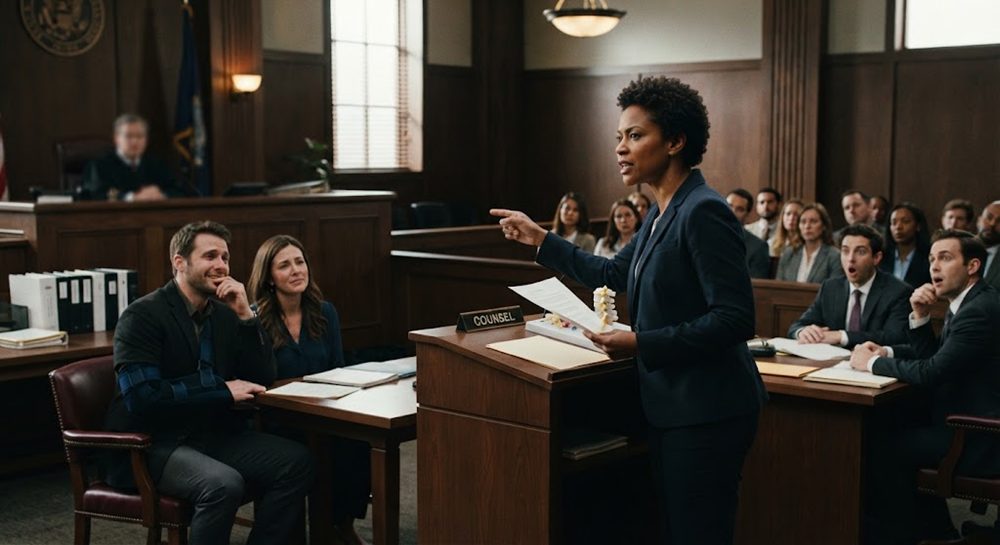
Some injury cases look fragile at first because the chart is incomplete, fault is disputed, or an insurer sees room for doubt. A trial-ready practice does not treat those gaps as defeat. It studies mechanism of injury, symptom progression, witness accounts, and physical proof. That approach changes the case from a loose complaint into a tested claim a jury could evaluate with confidence.
Early Case Pressure
Before evidence gets stale, the personal injury lawyers at Edelman, Krasin & Jaye, PLLC need to identify how harm occurred, who controlled the danger, which records remain, and how symptoms changed work, sleep, mobility, and family routines. Early legal review matters because missed proof can distort even a truthful claim after memories fade or repairs hide the scene.
Trial Readiness Matters
Insurers are experienced in measuring risk. They know which offices prepare for verdicts and which accept pressure early. A trial-ready team builds value through medical records, sworn statements, expert review, and clear loss documentation. That preparation makes denial harder. It also gives settlement talks weight because the defense can see how proof may sound in court.
Weak Facts Need Testing
A case that looks weak may contain one fact with real force. A driver may change an account. A property manager may overlook prior complaints. Counsel tests each version against photos, reports, inspection notes, and testimony. This process turns suspicion into proof. It also shows which defense themes could confuse jurors if left unanswered.
Medical Proof Carries Weight
Physical injury claims depend on a medical connection. Emergency records, imaging, specialist notes, therapy reports, and work limits help link trauma to lasting impairment. Treatment gaps may create doubt, even when pain continues. Skilled legal teams organize clinical records by date, explain symptom timing, and help treating providers connect findings with the incident history.
Liability Needs Detail
Fault is rarely proved by broad accusation. Strong case work looks for rules, duties, warnings, maintenance logs, phone data, weather records, prior events, and training failures. Each item may clarify what should have happened. When responsibility appears uncertain, several small facts can form a stronger account than one dramatic detail.
Experts Add Structure
Expert witnesses give jurors a framework for evidence outside daily experience. Engineers may explain impact forces, product failures, or unsafe conditions. Physicians can connect trauma with function, pain patterns, or future care. Economists may calculate earning loss. A trial-ready practice selects experts because their opinions answer disputed facts and fit the record.
Damages Need Human Context
Bills and wage records matter, but they rarely show the full injury. Daily limits often explain loss with greater force. A parent who cannot lift a child, a mechanic who loses grip strength, or an older adult who fears stairs gives damages context. Strong lawyers pair records with lived impact, without exaggeration.
Discovery Changes Leverage
Discovery can reshape a case that first looked thin. Depositions may reveal skipped inspections, altered reports, or poor training. Document requests can uncover repair histories, safety complaints, and internal messages. Written answers may narrow disputed points. Precise questions reduce space for blanket denial and force the defense to confront its own paper trail.
Motions Shape Risk
Court motions often decide which proof reaches a jury. Defense counsel may seek dismissal, limit expert testimony, or exclude harmful records. A prepared injury practice responds with law, facts, and organized exhibits. Strong motion work protects the claim from early loss. It also signals that unsupported shortcuts will meet serious resistance.
Settlement Follows Preparation
Most injury claims settle before verdict, yet value depends on pressure. A rushed demand can invite a low offer. A demand supported by testimony, clinical proof, and expert analysis carries more force. Trial preparation gives negotiation structure. It helps both sides price risk with better information, rather than fear or guesswork.
Clients Strengthen Claims
Clients support their cases through steady, accurate communication. They should attend care, preserve photos, report symptom changes, and avoid public posts that may confuse the record. Lawyers should explain deadlines, strategy, and risk in plain language. A clear relationship keeps treatment, work loss, family strain, and legal proof aligned.
Conclusion
Cases that appear unwinnable rarely change through luck. They improve through early investigation, medical clarity, detailed fault proof, expert support, and disciplined trial preparation. A strong injury practice treats each claim as a possible courtroom story, even during settlement talks. That habit can reveal hidden strengths, shift pressure, and help injured people seek fair compensation when insurers expect a quick compromise.