The world of 3D printing has made creativity more accessible than ever before. Designers, hobbyists, engineers, and makers can now turn ideas into real objects using modern digital tools. One of the most important technologies supporting this process is the 3d scanner.
Instead of building every model manually in design software, creators can scan real-world objects and quickly transform them into detailed digital files ready for 3D printing. This process saves time, improves accuracy, and opens the door to endless creative possibilities.
In 2026, scanning technology is becoming an essential part of modern digital creation, helping users turn everyday objects into high-quality printable models with speed and precision.
Understanding How 3D Scanning Works
A 3D scanner is a device designed to capture the size, shape, and surface details of physical objects. Using technologies such as structured light or laser scanning, the device records thousands of points across the object’s surface.
This information is then processed into a digital 3D model called a mesh. Once the model is complete, users can edit, refine, and prepare it for 3D printing.
Unlike traditional measuring tools that only capture individual dimensions, a scanner records the complete geometry of an object. This makes it much easier to recreate detailed shapes and complex surfaces accurately.
Turning Everyday Objects into Digital Models
One of the most exciting parts of 3D scanning is the ability to capture everyday objects and convert them into digital designs. Household items, handmade objects, tools, toys, and even decorative pieces can be scanned and transformed into printable files.
The process usually follows a simple workflow:
- Scan the object from multiple angles
- Process the scan data into a digital model
- Refine the mesh and clean up imperfections
- Export the file for 3D printing
This workflow allows users to move from a physical object to a printable digital model much faster than creating a design manually from scratch.
Why Scanning Improves 3D Printing Workflows
Creating accurate digital models can be one of the most difficult parts of 3D printing. Complex curves, textures, and irregular shapes often require advanced modeling skills.
A 3d scanner for 3d printer removes much of this difficulty by capturing real-world geometry directly. Instead of spending hours designing objects manually, creators can start with a scanned model and focus on refining or customizing it.
This approach provides several important benefits:
- Faster model creation
- Improved accuracy
- Easier reproduction of physical objects
- Better customization options
- Reduced design errors
For creators and professionals, these advantages lead to more efficient workflows and better printing results.
Supporting Creativity and Customization
Scanning technology encourages experimentation and creativity. Once an object is scanned, users can modify it digitally to create customized products or entirely new designs.
For example, a creator can scan a decorative object, resize it, add new details, or combine it with other models before printing. Artists can digitize handmade sculptures, while hobbyists can personalize everyday items for unique projects.
This combination of physical objects and digital flexibility allows creators to explore ideas that would be much harder to achieve with manual modeling alone.
Reverse Engineering and Replacement Parts
One of the most practical uses of scanning technology is reverse engineering. Many older products and machine components no longer have original design files available.
A 3d scanner for 3d printer allows users to scan these parts and create accurate digital replicas that can be repaired, modified, or reproduced through 3D printing.
This is especially useful for:
- Replacing broken components
- Recreating discontinued parts
- Updating old product designs
- Repairing equipment without original blueprints
By simplifying reverse engineering, scanning technology helps save time and reduce production costs.
Revopoint and Modern Scanning Solutions
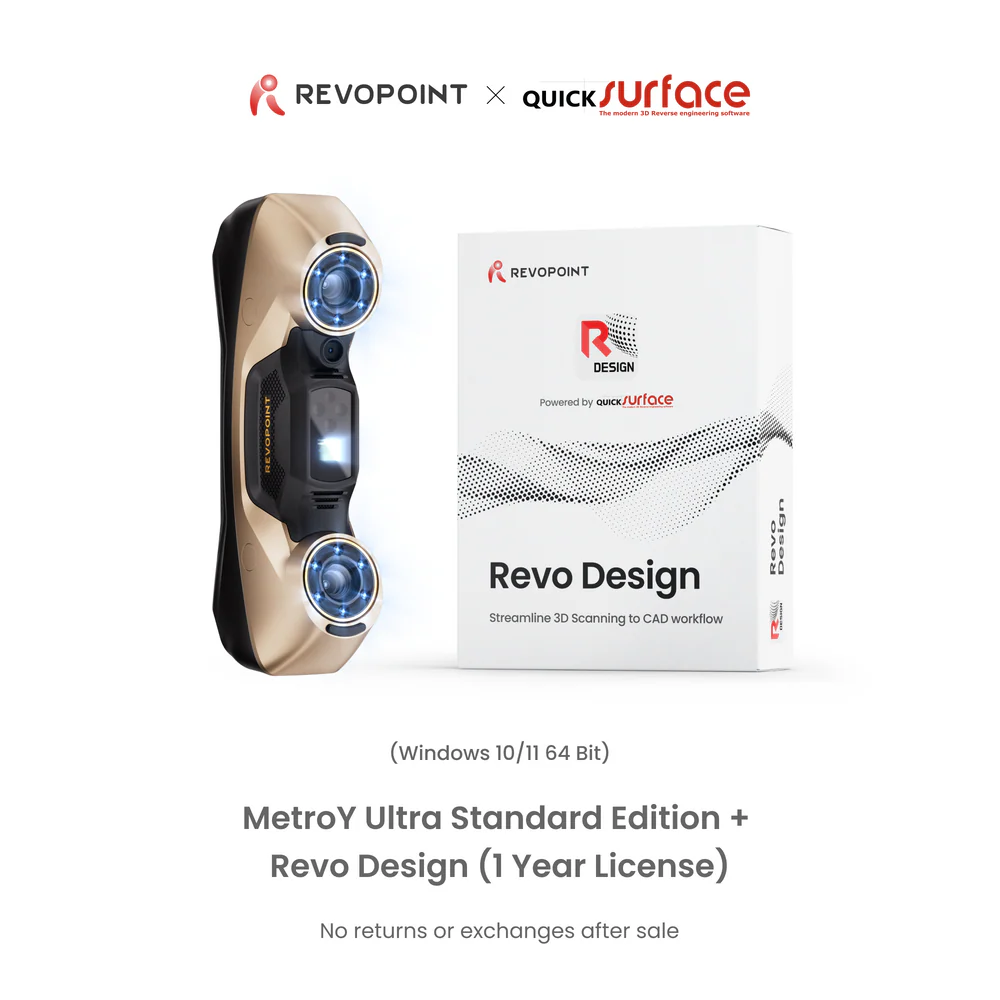
As scanning technology becomes more popular, companies like Revopoint are helping make advanced tools more accessible to creators around the world. At Revopoint, users can explore portable and high-precision scanners designed for design, engineering, and 3D printing workflows.
Revopoint scanners are known for combining portability with accuracy. Their devices are lightweight, easy to use, and capable of capturing detailed scans in different environments.
Some key features include:
- High-resolution scanning for detailed models
- Real-time tracking for smoother scanning performance
- Portable handheld designs for flexible use
- Compatibility with CAD and 3D printing software
These features make Revopoint scanners suitable for beginners, professionals, and anyone looking to improve their digital workflows.
Tips for Better Scanning Results
To create high-quality printable models, a few best practices can help:
- Ensure good lighting conditions during scanning
- Keep the object stable while scanning
- Capture multiple angles for complete coverage
- Use software tools to clean and optimize the final mesh
Following these steps improves scan quality and helps produce better 3D printing results.
Final Thoughts
Modern scanning technology is transforming how creators move from physical objects to digital design. A reliable 3d scanner allows users to capture everyday objects quickly and turn them into accurate digital models ready for editing and printing.
By simplifying workflows and improving precision, a powerful 3d scanner for 3d printer helps designers, engineers, artists, and hobbyists create high-quality printable models with less effort. With advanced solutions from companies like Revopoint, 3D scanning is becoming more accessible and practical, helping creators bring ideas to life faster and more creatively than ever before.