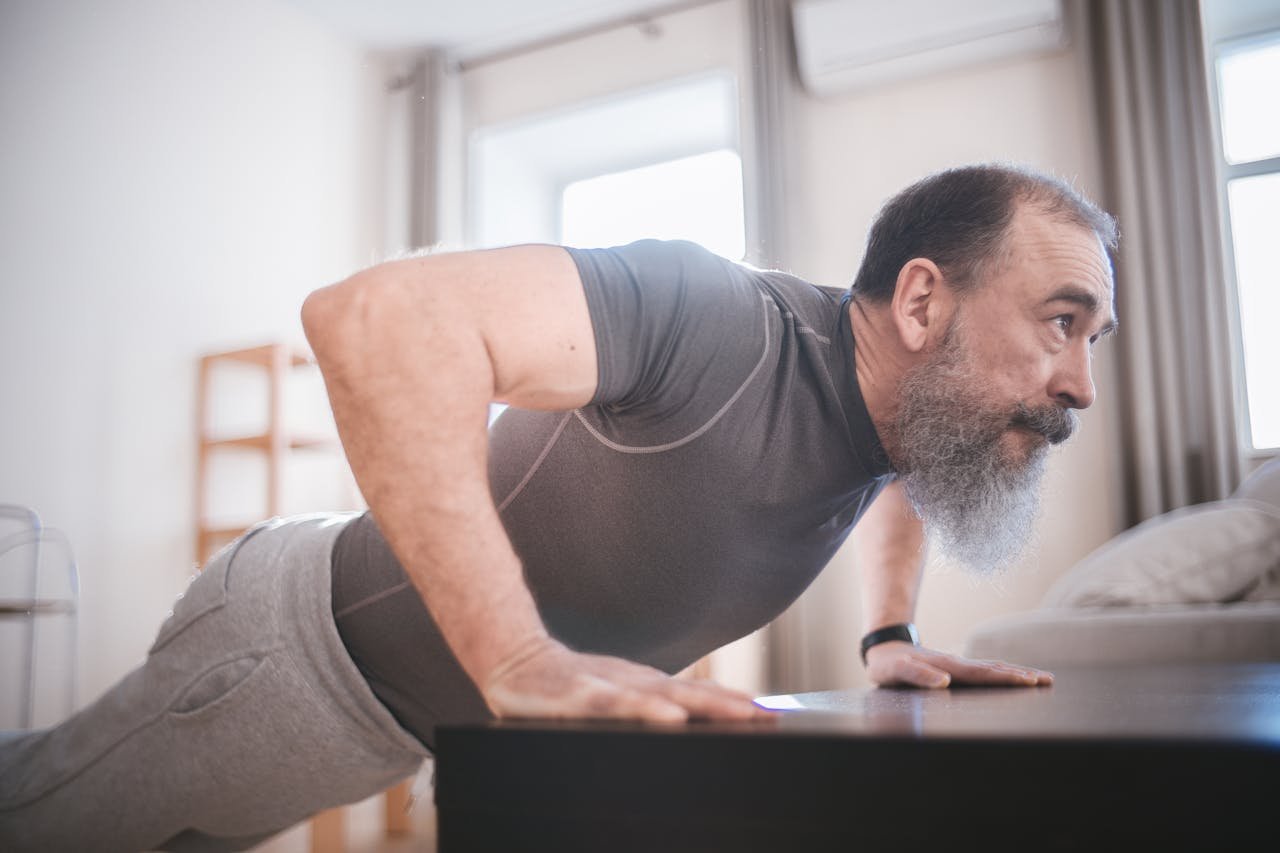
Heart disease continues to be the leading cause of death globally, yet it is largely preventable. Maintaining cardiovascular health isn’t something to think about only in your later years — it’s a lifelong priority. At each stage of life, your heart has different needs, risks, and care strategies. Whether you’re in your 20s or your 70s, paying attention to heart health is one of the best investments you can make in your future.
This guide outlines what to look for at every age, how to support your heart, and where to find trustworthy information from a reputable health website as you navigate each decade.
Your 20s: Build the Foundation
In your 20s, heart disease might feel like a distant concern, but this is actually the best time to lay the foundation for lifelong cardiovascular wellness. Your heart is strong and efficient during these years, but lifestyle choices made now can have a lasting impact.
What to Watch For:
- Unhealthy diet habits, such as excessive fast food or sugar intake
- Smoking or vaping
- Sedentary lifestyle due to school or work
- Stress from career or life transitions
Action Steps:
- Adopt a balanced diet with whole foods, lean proteins, fruits, and vegetables
- Avoid tobacco products completely
- Get at least 150 minutes of moderate exercise per week
- Start regular health checkups, including blood pressure and cholesterol screenings
Your 30s: Establish Healthy Routines
As life becomes busier with career and possibly family obligations, it’s easy to let personal health slide. However, your 30s are a critical decade for setting routines that will serve you for decades to come. Some people also consider incorporating supportive supplements like https://lumanutrition.com/products/resveratrol to help maintain cellular health and overall wellness during this stage of life.
What to Watch For:
- Rising blood pressure or cholesterol levels
- Early signs of weight gain, especially abdominal fat
- Chronic stress from work/life balance
- Increased alcohol consumption
Action Steps:
- Schedule annual physical exams and request a heart risk assessment
- Manage stress with mindfulness, yoga, or hobbies
- Prepare home-cooked meals to avoid processed foods
- Prioritize sleep — lack of rest affects heart function over time
Your 40s: Watch the Warning Signs
This is the decade where early heart issues might start to appear. High blood pressure, high cholesterol, and insulin resistance are more common now, especially if preventative care wasn’t prioritized earlier.
What to Watch For:
- Family history of heart disease
- Pre-diabetes or metabolic syndrome
- Less physical activity and slower metabolism
- Signs of depression or emotional burnout
Action Steps:
- Get a full cardiovascular screening (including an EKG if recommended)
- Monitor your blood pressure at home
- Reduce sodium and processed foods in your diet
- Stay physically active with cardio and strength training
Use a trusted health website to track symptoms, calculate your BMI, and read up on warning signs you shouldn’t ignore.
Your 50s: Manage Risks Proactively
In your 50s, hormonal changes — especially during menopause for women — can impact heart health significantly. This is also when plaque buildup in the arteries can start to cause noticeable problems.
What to Watch For:
- Hypertension and cholesterol spikes
- Shortness of breath or chest discomfort during exertion
- Irregular heartbeat or palpitations
- Fatigue and poor circulation
Action Steps:
- Work with your doctor to understand your cholesterol levels and heart disease risk
- Consider a coronary calcium scan if you have a family history
- Maintain a heart-healthy diet like the Mediterranean or DASH plan
- Stay consistent with physical activity and keep alcohol consumption moderate
Your 60s and Beyond: Stay Active and Aware
By now, any underlying cardiovascular issues may be fully diagnosed or present. The focus in this phase is to manage conditions, maintain mobility, and avoid complications such as stroke, heart failure, or arrhythmia. Also Check mental health.
What to Watch For:
- Swelling in legs or ankles (signs of heart failure)
- Dizziness or fainting
- Changes in mental sharpness or memory
- Fatigue after minimal exertion
Action Steps:
- Take medications exactly as prescribed
- Maintain a consistent routine of gentle exercises like walking or swimming
- Get annual cardiac evaluations, including EKG and stress tests if advised
- Limit salt, saturated fats, and sugar intake
Leverage a quality health website to understand medications, research lifestyle changes, and stay up-to-date on the latest treatments and support tools.
Universal Heart Health Tips for Every Age
No matter how old you are, these heart-smart strategies can make a big difference:
- Eat for your heart: Prioritize fruits, vegetables, whole grains, legumes, and healthy fats.
- Move regularly: Exercise boosts circulation, reduces blood pressure, and supports a healthy weight.
- Monitor your vitals: Keep tabs on blood pressure, cholesterol, and glucose levels.
- Sleep well: Aim for 7–9 hours of restful sleep to reduce inflammation and heart strain.
- Stay connected: Social support improves mental health, which directly affects heart health.
Final Thoughts
Heart health is a lifelong journey, not a one-time fix. Whether you’re in your energetic 20s or your wise 70s, it’s never too early or too late to make heart-conscious decisions. Pay attention to warning signs, get regular checkups, and educate yourself with reliable resources.
Your heart is the engine of your body — give it the care and respect it deserves. Visit a trusted health website to track your progress, get tailored advice, and empower yourself with up-to-date knowledge.
What i dont understood is in reality how youre now not really a lot more smartlyfavored than you might be now Youre very intelligent You understand therefore significantly in terms of this topic produced me personally believe it from a lot of numerous angles Its like women and men are not interested except it is one thing to accomplish with Woman gaga Your own stuffs outstanding Always care for it up