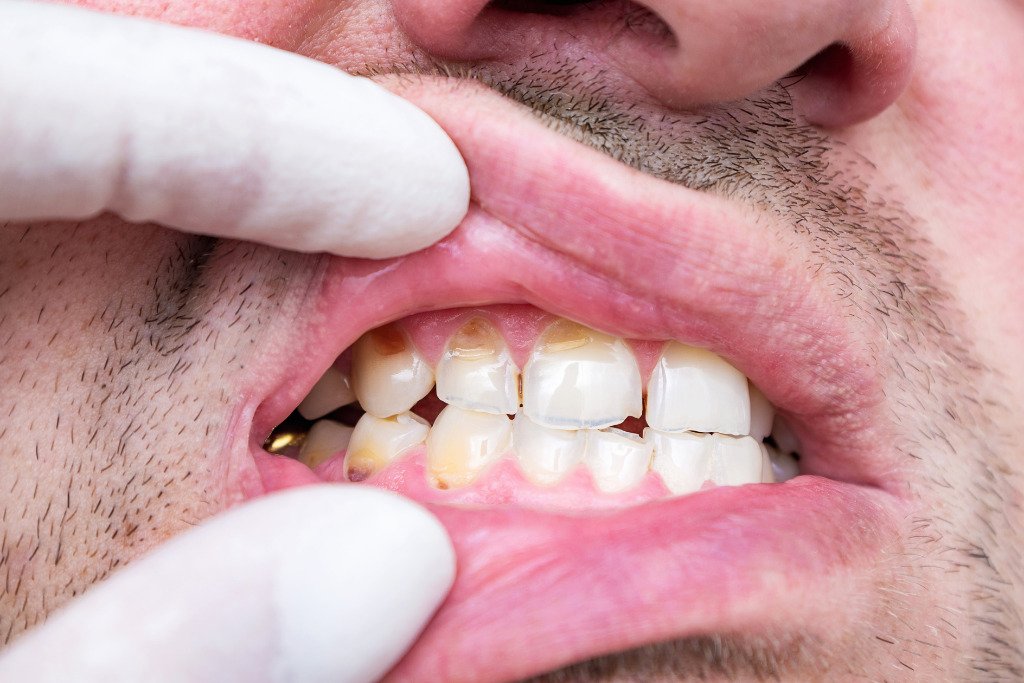
Caring for dental restorations involves more than just brushing. Neglecting certain habits can undermine your results and waste your efforts. Your family dentist in Dedham wants you to succeed in maintaining a healthy smile. Unfortunately, many people unknowingly engage in behaviors that can harm their restorations. Understanding these habits helps you take proactive steps to protect your dental work. First, eating hard foods can damage your restorations. Sticky snacks pose similar risks. Second, using teeth as tools for opening packages or cracking nuts can lead to cracks and chips. Lastly, inconsistent oral hygiene allows plaque to damage restorations. By recognizing these habits, you can make better choices. Doing so will extend the life of your dental work and keep your smile healthy. Adopting these preventive measures ensures that your investment in dental care remains beneficial. Remember, small changes today bring lasting benefits tomorrow. Your smile deserves the best care.
Habit 1: Consuming Hard and Sticky Foods
Eating hard foods like nuts, ice, and hard candy puts stress on your dental restorations. These foods can crack or chip your fillings, crowns, and veneers. Similarly, sticky snacks such as caramels and gummy candies can pull or dislodge dental work. Avoid these foods to protect your investment.
| Type of Food | Potential Damage |
|---|---|
| Hard Foods (e.g., ice, nuts) | Cracks, chips |
| Sticky Foods (e.g., caramels, gummies) | Dislodgement, pulling |
Consider choosing softer foods like yogurt or bananas. These alternatives minimize risks and keep your dental restorations intact.
Habit 2: Using Teeth as Tools
Many people use their teeth to open bottles or packages. This habit puts immense pressure on dental restorations and natural teeth. Teeth are not designed to function as tools. Repeated misuse leads to damage.
Instead, reach for scissors or a bottle opener. Tools do the job safely and effectively without risking your smile. Preserving your dental work starts with treating your teeth with care.
Habit 3: Inconsistent Oral Hygiene
Good oral hygiene is critical for maintaining dental restorations. Inconsistent brushing and flossing allow plaque to build up around restorations. This can lead to decay and gum disease, compromising their stability.
Regularly floss and brush twice a day using fluoride toothpaste. Visit your dentist for cleanings every six months. Consistency is key to a lasting smile.
The Impact of These Habits
Ignoring these habits can shorten the lifespan of your dental restorations. This leads to increased dental visits, additional costs, and potential discomfort. Here is what you can expect if habits are ignored:
| Ignored Habit | Potential Consequence |
|---|---|
| Consuming hard/sticky foods | Frequent repairs, additional cost |
| Using teeth as tools | Cracked or chipped teeth |
| Inconsistent oral hygiene | Decay, gum disease |
By breaking these habits, you protect your dental work and save time and money. The importance of diligent care cannot be overstated. The American Dental Association offers further insights on proper dental care. For more detailed guidance, visit ADA’s Oral Health Topics.
Conclusion
Your dental restorations serve as an investment in your health and confidence. Protecting them requires awareness and effort. Avoiding hard and sticky foods, using proper tools, and maintaining oral hygiene ensures your restorations last. A little caution today safeguards your smile for years. Treat your dental restorations with care, and they will serve you well.