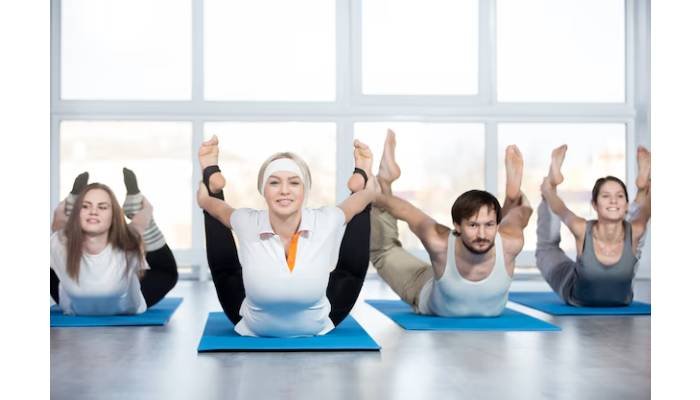
The journey to well-being through Integrative Health & Wellness is not one-size-fits-all. Each individual’s path is unique, influenced by their lifestyle, personal goals, and health conditions. To begin, it is essential to conduct a comprehensive self-assessment, understanding current health status, physical capabilities, mental state, and lifestyle habits. Integrative Health & Wellness begins with awareness and commitment, allowing one to prioritize practices that align with their needs. This journey often starts with setting clear, achievable goals—increasing physical activity, enhancing mental well-being, or addressing specific health concerns such as fatigue or chronic pain.
Top Misconceptions About Integrative Health & Wellness Debunked
Integrative Health & Wellness has been met with skepticism, often misunderstood as unscientific or secondary to conventional medicine. One common misconception is that integrative therapies are only for those who reject traditional medicine or that they are a “new-age” fad with no proven efficacy. However, numerous studies and clinical trials support the benefits of practices such as acupuncture, mindfulness, and nutritional therapy, demonstrating their effectiveness in promoting health and managing disease. Another myth is that integrative care is more expensive or only accessible to those with significant financial resources. In reality, many integrative health practices, such as meditation and yoga, can be cost-effective or free.
How To Start Your Journey Towards Integrative Health & Wellness?
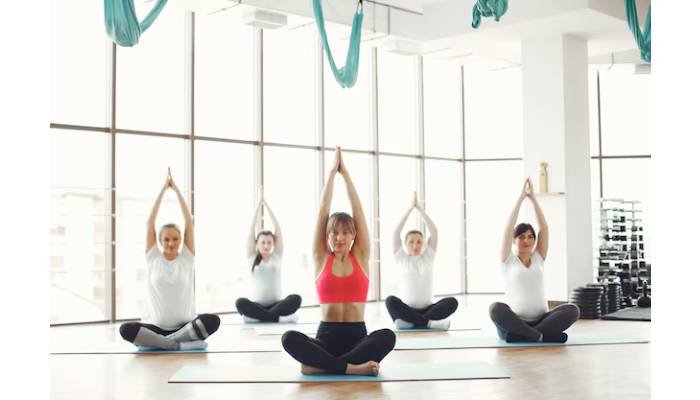
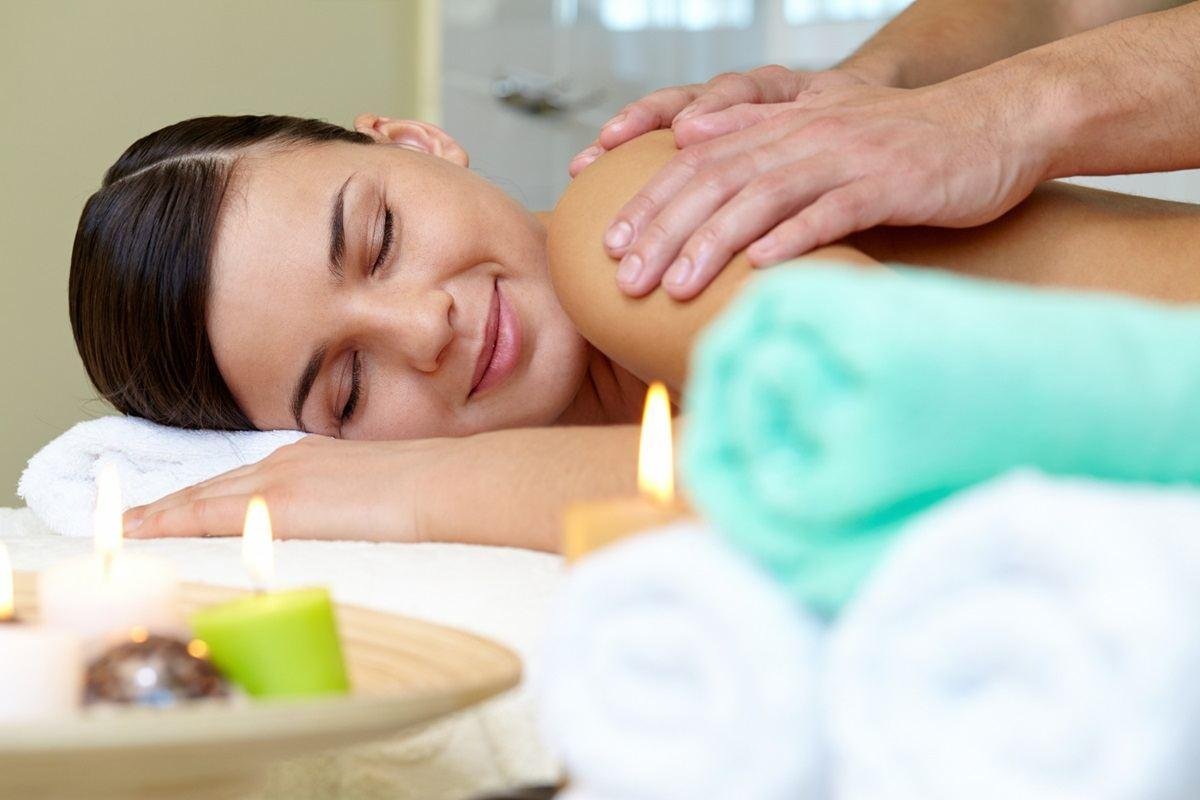
Starting a journey toward Integrative Health & Wellness begins with education and self-reflection. To begin, individuals should evaluate their current habits and health goals, whether it involves better nutrition, more exercise, or improved sleep quality. Consulting with an integrative health specialist can guide combining conventional treatments with holistic practices. Common first steps include trying mindfulness exercises or incorporating a balanced diet rich in nutrients that support physical and mental health. One can also explore different types of physical activity, such as yoga, tai chi, or walking, which can be accessible and adaptable to any fitness level. Taking the time to learn about practices like acupuncture or massage therapy can offer additional benefits when used alongside traditional medical treatments.
Choosing The Right Integrative Health & Wellness Practices For Your Lifestyle
Selecting practices that align with your personal needs is critical in creating an effective Integrative Health & Wellness plan. The choice depends on your physical capabilities, health objectives, and preferences. Start by understanding which aspects of health are most important to you—physical strength, emotional stability, spiritual growth, or overall vitality. For individuals looking to improve physical health, practices such as strength training, swimming, or cycling might be ideal. If managing stress or emotional well-being is a priority, meditation, guided imagery, or progressive muscle relaxation can be beneficial.
From Stress To Balance: The Benefits Of Integrative Health & Wellness Strategies
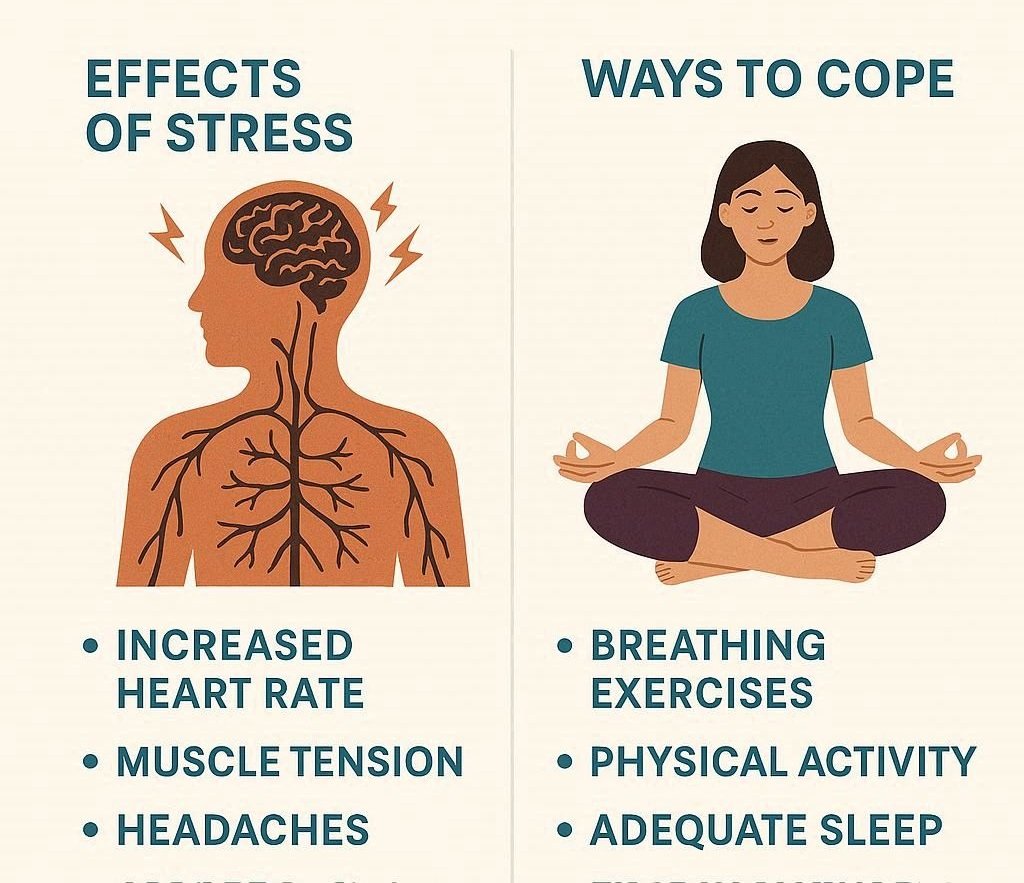
One of the primary advantages of Integrative Health & Wellness is its potential to transform stress into balance. Traditional stress management techniques, such as relaxation exercises and time management, often fail to address the deep-rooted causes of chronic stress. Integrative practices, however, work on multiple levels to create holistic solutions. Meditation, for example, is known to reduce cortisol levels and promote relaxation by activating the parasympathetic nervous system. Similarly, practices like yoga and tai chi combine movement with breathwork, effectively balancing the autonomic nervous system.
Why Integrative Health & Wellness Is Essential For Modern Lifestyle Adjustments?
The modern lifestyle is often characterized by high demands, stress, and sedentary habits that can contribute to a variety of health issues, including obesity, cardiovascular problems, and chronic pain. Integrative Health & Wellness is essential as it encourages a shift from reactive to proactive health management. By focusing on prevention, it offers sustainable practices that can help counteract the negative impacts of modern living. For instance, incorporating regular physical activity, mindful eating, and stress-reducing techniques can improve energy levels, enhance mood, and promote long-term health. The approach also addresses the mental aspect of wellness, helping to combat issues like anxiety and depression, which have become increasingly common.
The Role Of Integrative Health & Wellness In Managing Chronic Illness And Pain
Integrative Health & Wellness has proven effective in managing chronic illness and pain, offering solutions beyond what conventional medicine typically addresses. Conditions like arthritis, fibromyalgia, and chronic back pain can often be managed more effectively when treated through a combination of conventional medical care and integrative therapies. Techniques such as acupuncture, physical therapy, and guided meditation can reduce inflammation, improve mobility, and alleviate pain levels. For patients seeking local clinic options that combine acupuncture with therapeutic and sports-focused bodywork, services such as Denver Acupuncture (or elsewhere) provide tailored treatments to support recovery and athletic performance. Nutritional adjustments also play a significant role; anti-inflammatory diets, including omega-3 fatty acids, turmeric, and leafy greens, have decreased symptoms and enhanced overall health.
Integrative Health & Wellness: Uniting Modern Medicine And Holistic Therapies
Integrative Health & Wellness uniquely bridges the gap between modern medicine and holistic therapies, combining the strengths of both to create a balanced treatment plan. Modern medicine provides the benefits of advanced diagnostics, surgical precision, and pharmaceutical treatments, while holistic therapies, such as meditation, herbal medicine, and acupuncture, address the psychological, emotional, and physical health of the individual in a more balanced way. This unified approach helps individuals experience a more complete and individualized form of care. For instance, someone undergoing surgery might use acupuncture to manage pain, speed recovery, and reduce the stress associated with surgery.
Conclusion
Integrative Health & Wellness offers an empowering path to achieving a higher quality of life. By combining the best of traditional medical treatments with holistic practices, individuals can build a personalized approach to well-being that promotes physical, mental, and emotional health. Through self-reflection, education, and commitment to lifestyle changes, one can harness the full potential of this approach. Overcoming misconceptions and understanding how to integrate practices into daily life can lead to profound improvements in overall health and resilience, particularly when dealing with chronic conditions.
Good write-up, I?¦m regular visitor of one?¦s web site, maintain up the excellent operate, and It’s going to be a regular visitor for a long time.
Thank you for sharing with us, I believe this website genuinely stands out : D.
I’d always want to be update on new content on this website , saved to fav! .
I’ve recently started a site, the information you provide on this web site has helped me tremendously. Thank you for all of your time & work. “If you see a snake, just kill it. Don’t appoint a committee on snakes.” by H. Ross Perot.
Greetings! I know this is kinda off topic however , I’d figured I’d ask. Would you be interested in trading links or maybe guest authoring a blog post or vice-versa? My site goes over a lot of the same subjects as yours and I feel we could greatly benefit from each other. If you are interested feel free to shoot me an e-mail. I look forward to hearing from you! Awesome blog by the way!