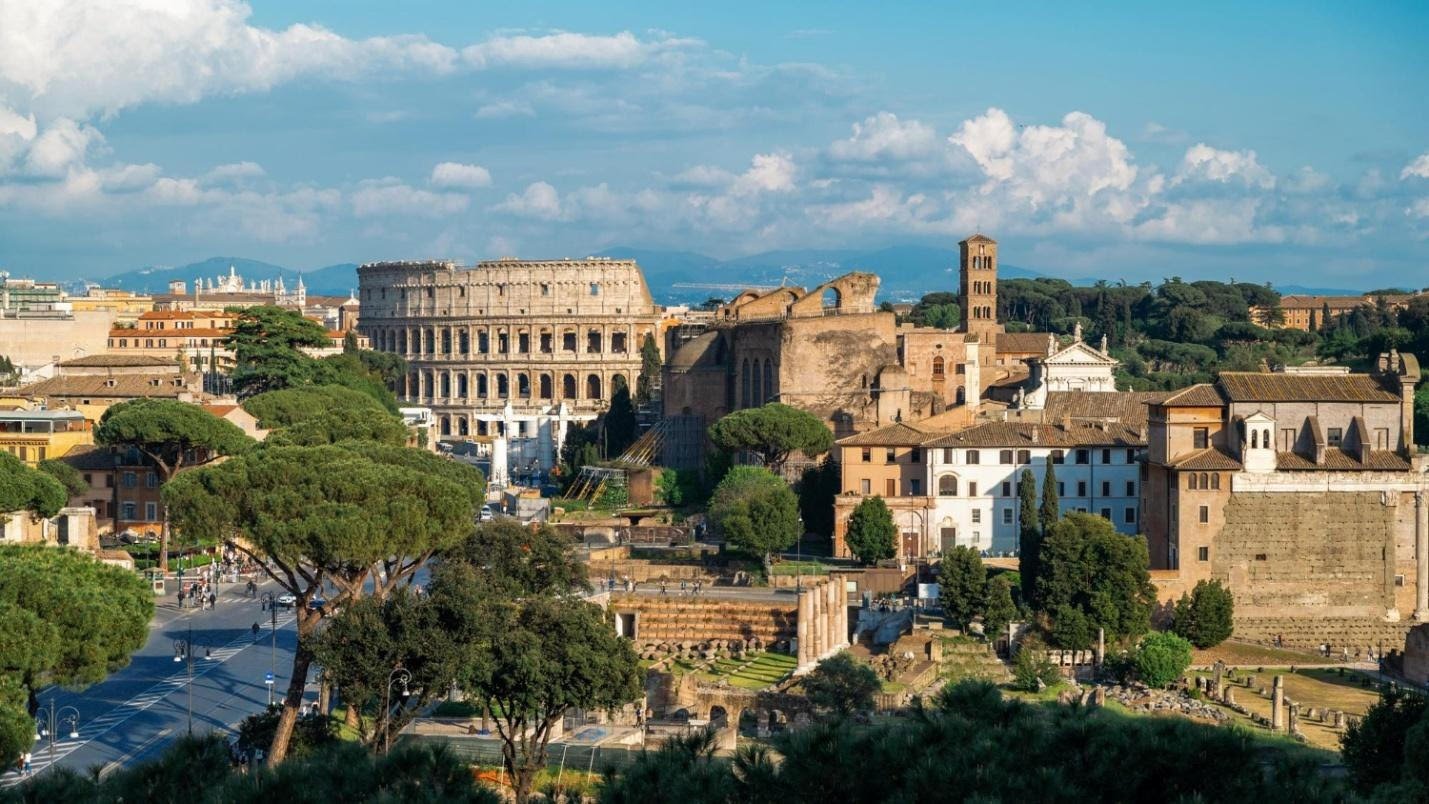
Rome is a city that hardly needs an introduction. The Colosseum, the Vatican, and the Pantheon often dominate travel itineraries—and for good reason. But beyond the famous landmarks, Rome offers a surprisingly diverse experience for travelers willing to slow down and look a little deeper.
One of the most overlooked aspects of Rome is how seamlessly history, nature, and local life blend together. Ancient ro8ads like the Via Appia Antica double as green walking routes, while parks such as Caffarella and the Aqueduct Park provide peaceful escapes just minutes from the city center. Even day trips to nearby volcanic lakes, coastal wetlands, or hill towns can be done without complicated logistics.
For visitors interested in exploring Rome’s outdoor side, the official tourism portal of Rome
👉 https://www.turismoroma.it/en
is a helpful resource, offering up-to-date information on parks, walking routes, and cultural sites across the city and surrounding region.
This variety makes Rome an ideal destination for travelers who want more than museum hopping. Whether you’re interested in urban walking, food-focused exploration, or short excursions outside the city, choosing the right neighborhood to stay in can make a big difference.
Walking Rome: A City Best Explored on Foot
Rome rewards slow travel. Wandering through side streets, crossing quiet piazzas, and following ancient paths often leads to unexpected discoveries—from neighborhood bakeries to small chapels and hidden viewpoints. Many of Rome’s most atmospheric areas, including Trastevere and Monti, are best experienced without a strict plan.

Walking also reveals how green the city truly is. Large public parks, riverside paths along the Tiber, and archaeological zones turned into open-air spaces create a rhythm that balances Rome’s intensity. Visitors who build time for walking into their itineraries often find these moments to be the most memorable part of their trip.
Choosing the Right Base in Rome
Rome is a large and spread-out city, and each area offers a very different experience. Staying near major attractions like the Spanish Steps or the Vatican is convenient for first-time visitors, but it can also mean crowds and higher prices. On the other hand, neighborhoods such as Trastevere, Testaccio, or Monti offer a more local feel, with lively evening scenes and easy access to public transport.
Some travelers opt to stay slightly outside the historic center, especially if they plan day trips or arrive late at night. Areas near Rome’s main airport, Fiumicino, or along major transport routes can be practical bases—particularly for early departures or coastal exploration.
For travelers trying to decide where to stay, this guide to
👉 https://snaphappytravel.com/where-to-stay-in-rome/
breaks down Rome’s neighborhoods clearly, helping visitors match accommodation choices to their travel style—whether that’s sightseeing, food exploration, or relaxed wandering.
Rome as a Starting Point, Not Just a Destination
Another advantage of Rome is how well it works as a hub. Within an hour or two, you can reach seaside nature reserves, medieval hill towns, and forested hiking areas in Lazio. This makes Rome a strong choice not only for city lovers but also for travelers who enjoy mixing culture with outdoor experiences.
Even within the city limits, Rome rewards curiosity. Quiet piazzas, local markets, and neighborhood trattorias often become the most memorable parts of a trip—especially when you’re staying in an area that encourages exploration rather than rushing between attractions.
Final Thoughts
Rome isn’t just a checklist of monuments—it’s a city of layers. From ancient streets turned walking paths to neighborhoods that feel like small towns within the capital, how you experience Rome depends greatly on where you base yourself.
With thoughtful planning, reliable local resources, and the right accommodation choice, Rome becomes more than a stop on a European itinerary—it becomes a place to linger, explore, and return to.