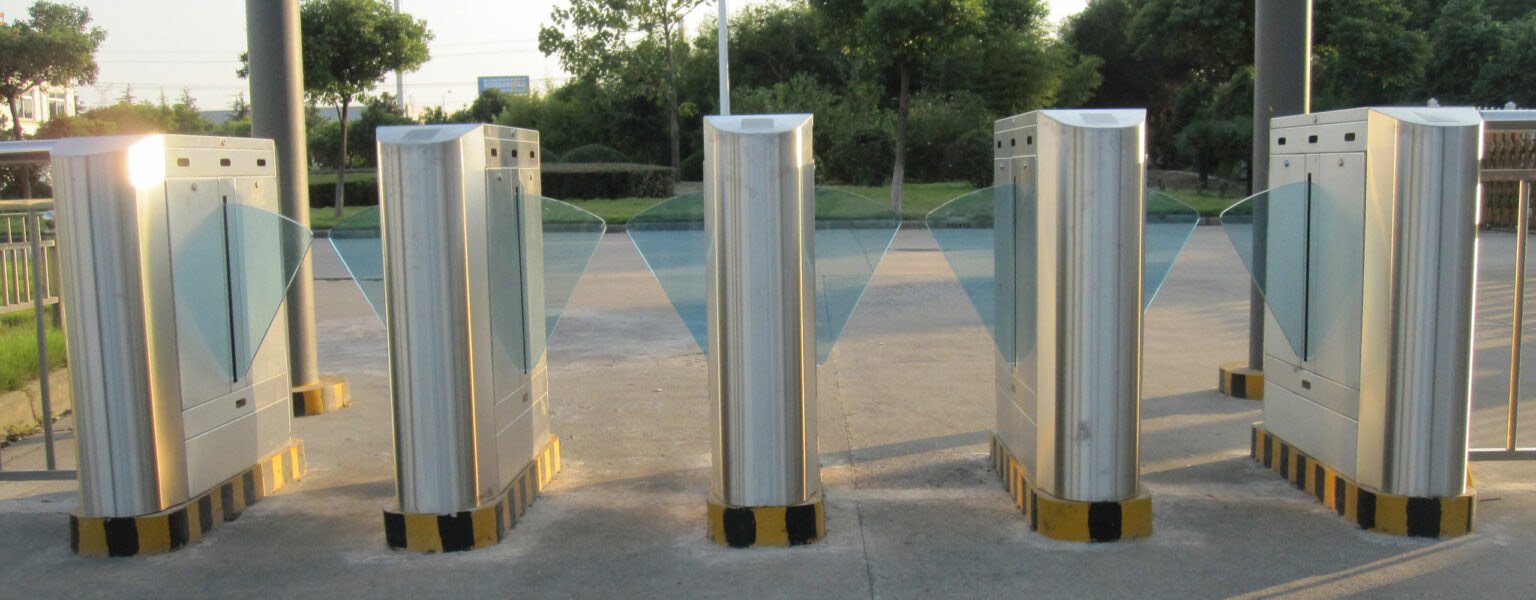
Buildings are more than just structures—they are expressions of creativity, safety, and innovation. Expanding barriers are becoming an essential feature in modern architecture, seamlessly combining design aesthetics with practical functionality.
These flexible systems are no longer confined to streets or stadiums; architects are now integrating them into building entrances, lobbies, terraces, and public spaces.
Here’s the thing: expanding barriers are redefining how architects approach space management. They allow structures to adapt dynamically to human movement, safety needs, and aesthetic preferences without compromising the design vision.
What Is an Expanding Barrier?
An expanding barrier is a structure that can extend, retract, or shift depending on the situation. Unlike fixed walls or fences, these barriers provide flexibility and control, helping architects and building managers guide movement, secure areas, and optimize space.
Believe it or not, some modern barriers include smart technology, like sensors and automated controls, which allow real-time adjustments. This integration ensures both functionality and elegance, making the barrier an integral part of the architectural design rather than a separate element.
Different Types of Materials Used in Expandable Barriers
Expandable barriers come in a variety of materials, each chosen to balance durability, aesthetics, and functionality. Selecting the right material ensures the barrier meets both safety and design requirements.
- Steel: Steel is widely used for retractable and modular barriers because of its strength and longevity. It can withstand high impact and heavy foot traffic, making it ideal for public buildings, stadiums, and urban areas.
- Aluminum: Aluminum offers a lightweight yet sturdy alternative to steel. It is resistant to corrosion and suitable for both indoor and outdoor applications. Aluminum barriers are often preferred in areas requiring frequent reconfiguration.
- Glass: Tempered or laminated glass panels provide a transparent solution that maintains visibility while creating controlled spaces. Glass barriers are commonly used in modern architecture, lobbies, and terraces where aesthetics are a priority.
- Plastic and Polycarbonate: High-quality plastics and polycarbonate materials offer impact resistance and flexibility. These barriers are lightweight, easy to install, and ideal for temporary or portable applications.
- Wood: Wood barriers combine functionality with a natural aesthetic. While less common in high-security settings, they are popular in public spaces, parks, and cultural venues where design appeal matters.
Believe it or not, some expandable barriers combine multiple materials—such as steel frames with glass panels—to achieve both strength and visual appeal. The tricky part is matching the material choice to the intended use, environmental conditions, and design goals, but when done correctly, it enhances both safety and the overall architectural experience.
The Role of Expanding Barriers in Architectural Design
Modern architecture emphasizes spaces that are adaptable and human-centered. Expanding barriers play a key role in achieving this by:
- Enhancing accessibility: Barriers can open and close to allow easy access for pedestrians, wheelchairs, and service vehicles.
- Supporting aesthetic design: Decorative retractable panels can complement a building’s materials and style.
- Optimizing space usage: Flexible barriers create zones that can change from private to public areas depending on the building’s needs.
- Integrating safety measures: Barriers help manage foot traffic in lobbies, terraces, and atriums while maintaining open, airy spaces.
- Creating interactive spaces: Expandable systems encourage fluid movement and engagement, particularly in public or commercial buildings.
These features make barriers not just functional, but part of the design language of modern architecture.
One World Trade Center, New York
Standing tall over the Manhattan skyline, One World Trade Center is more than just an architectural marvel — it’s a powerful symbol of resilience and forward-thinking design. Home to a breathtaking Observation Deck, the tower balances two priorities that rarely coexist so seamlessly: an uninterrupted visitor experience and world-class safety.
After the events of 9/11, safety became the guiding force behind every design decision. The result? A structure that quietly exceeds standard building codes, with advanced life-safety systems woven into its very framework — most of them invisible to the eye.
Take the pressurized, extra-wide stairwells, built to handle rapid, calm evacuations if ever needed. Or the air-filtration systems, designed to protect against chemical and biological threats. Beneath it all, a reinforced steel-and-concrete core provides exceptional strength, ensuring the tower’s resilience in the face of extreme events.
What’s remarkable is how seamlessly all these safety measures blend into the design. There are no visible barriers or intrusive features — just smooth, thoughtful integration that protects without disrupting the awe-inspiring experience of being there.
While it doesn’t rely on retractable systems like Marina Bay Sands, One World Trade Center embodies the same principle: smart design that puts people first — proving that safety and beauty can coexist at the very highest level.
John Davidson, a leading architectural designer, regarding the integration of flexible elements like movable walls and partitions in modern commercial spaces.
John Davidson noted that “Movable walls offer a liberating departure from the constraints of traditional interiors. They speak to the technological and cultural shifts we’re experiencing today.”
His perspective aligns with the growing trend of integrating adaptive elements into building interiors. These solutions aren’t just about dividing space; they represent a fundamental shift in design philosophy. By providing an immediate response to real human use (like separating a large team into smaller collaborative pods or opening a retail space for an event), they reflect the modern need for flexibility and efficiency in today’s fast-paced world.
Applications of Expanding Barriers in Modern Architecture
Expanding barriers offer versatile solutions in contemporary building design:
- Entrance and lobby management: Direct foot traffic while maintaining openness.
- Terrace and balcony safety: Retractable barriers secure edges without obstructing views.
- Commercial spaces: Flexible partitions for retail stores, hotels, and offices.
- Event and conference venues: Adaptable areas for gatherings, exhibitions, and VIP zones.
- Public buildings: Museums, airports, and libraries use barriers to guide visitors while supporting design aesthetics.
Actionable Insights for Architects and Designers
Here’s the cool part: architects can maximize the benefits of expanding barriers with these ten steps:
- Identify high-traffic areas: Spot locations that need crowd control, flexible zoning, or restricted access.
- Choose the right barrier type: Retractable panels, modular fences, or automated systems each serve different purposes.
- Integrate with building aesthetics: Match materials, colors, and textures to the overall design.
- Plan for adaptability: Ensure barriers can adjust for different events, seasons, or usage patterns.
- Incorporate smart technology: Sensors and automation enhance safety and operational efficiency.
- Test usability: Pilot barriers to check flow, accessibility, and safety compliance.
- Train staff or building managers: Proper handling ensures optimal use and prevents malfunctions.
- Consider maintenance needs: Design systems that are easy to clean, repair, and inspect.
- Engage stakeholders: Consult occupants, tenants, or visitors about barrier placement and functionality.
- Evaluate post-installation: Collect feedback and usage data to refine barrier deployment continuously.
Key Takeaway
- Expanding barriers merge design with functionality in modern architecture.
- Adaptive systems improve accessibility, safety, and space optimization.
- Real-world examples like Marina Bay Sands show that aesthetics and function can coexist.
- Smart technology integration enhances efficiency and user experience.
- Proper planning, testing, and feedback ensure barriers fulfill both safety and design goals.
FAQ
What is an expanding barrier in architecture?
It is a flexible structure that can extend, retract, or shift to guide movement, secure areas, and optimize space while supporting design aesthetics.
Are expanding barriers safe for public spaces?
Yes, they manage foot traffic, prevent overcrowding, and integrate safety features like sensors for real-time adjustments.
Can they be customized for design purposes?
Absolutely. Materials, colors, and patterns can complement a building’s architectural style.
Where are expanding barriers most effective?
They work well in lobbies, terraces, public plazas, commercial buildings, museums, and airports.
Do they require special maintenance?
Some do, especially automated or sensor-equipped barriers. Regular inspections and cleaning are recommended to ensure smooth operation.
