Photo by Pexels
Owning a home is a significant investment, and protecting that investment should be a top priority. From safeguarding against natural disasters to preventing costly repairs, proactive measures can save homeowners time, money, and stress. While some risks are unavoidable, many can be mitigated with proper planning and maintenance. Here are essential home protection tips every homeowner should know to keep their property safe and secure year-round.
Regular Maintenance of Plumbing Systems
One of the most common causes of home damage is plumbing failure. Leaks, clogs, and burst pipes can lead to extensive water damage and expensive repairs. To prevent these issues, schedule regular inspections of your plumbing system and address minor problems before they escalate. In colder climates, insulating pipes is crucial to avoid freezing and bursting during winter months. If you suspect a serious issue, contacting pipe bursting professionals in Oneida can ensure repairs are handled efficiently and prevent further damage to your home.
Install a Reliable Security System
Home security is essential for protecting your property and loved ones. Modern security systems offer features such as motion sensors, smart cameras, and remote monitoring through mobile apps. These tools provide peace of mind and deter potential intruders. Additionally, many systems integrate with smart home technology, allowing you to control locks, lights, and alarms from anywhere. Investing in a reliable security system is one of the most effective ways to safeguard your home against theft and vandalism.
Protect Against Fire Hazards
Fire safety should never be overlooked. Install smoke detectors in every bedroom and common area, and test them regularly to ensure they’re functioning properly. Keep fire extinguishers accessible in key locations, such as the kitchen and garage. Avoid overloading electrical outlets and replace damaged cords immediately. For added protection, consider installing a sprinkler system or heat sensors that alert you to potential fire risks. These precautions can significantly reduce the likelihood of fire-related damage.
Weatherproof Your Home
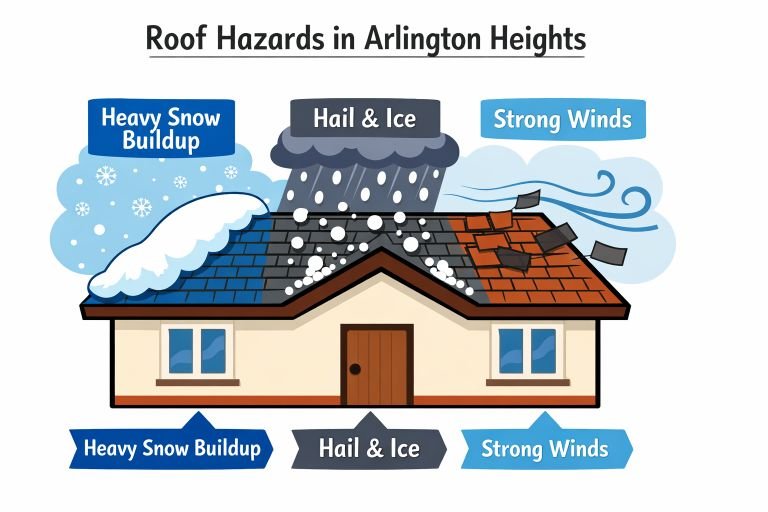
Extreme weather conditions can wreak havoc on your property. To protect against storms, inspect your roof for loose shingles and repair any damage promptly. Clean gutters regularly to prevent water buildup and leaks. Seal windows and doors to keep out drafts and moisture, which can lead to mold growth and structural issues. For homes in flood-prone areas, installing sump pumps and elevating electrical systems can minimize damage during heavy rainfall. Weatherproofing your home ensures it remains safe and comfortable in all seasons.
Secure Valuables and Important Documents
In addition to physical protection, safeguarding your valuables and essential documents is critical. Store jewelry, electronics, and sensitive paperwork in a fireproof safe or lockbox. Digital backups of important files, such as insurance policies and property deeds, provide an extra layer of security. In the event of a disaster or break-in, having these items protected can make recovery easier and less stressful.
Conclusion
Protecting your home requires a combination of preventive maintenance, security measures, and emergency preparedness. By addressing plumbing issues promptly, installing a reliable security system, practicing fire safety, weatherproofing your property, and securing valuables, you can significantly reduce risks and ensure peace of mind. A proactive approach not only preserves your investment but also creates a safe and comfortable environment for you and your family.