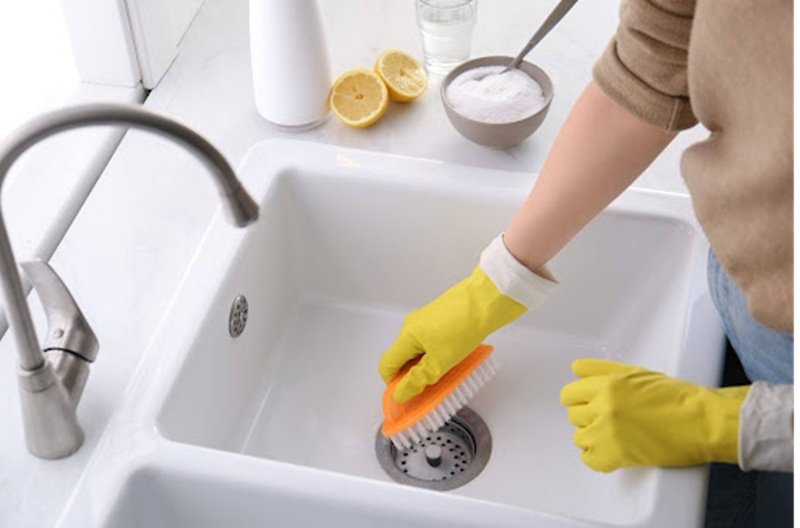
We often don’t pay much attention to our drains — until they stop working properly. But clean, free-flowing drains are an essential part of a comfortable and hygienic home. When drains get clogged, you risk unpleasant odours, sluggish water flow, and even water damage or expensive repairs down the line. Regular drain care keeps your plumbing system running smoothly, helps prevent major problems, and can save you time, money and headaches in the long run.
In this guide, we’ll walk you through proven practices and handy tips to prevent drain blockages and keep your plumbing in top shape.
1. Understanding the Common Causes of Clogged Drains
Drain blockages rarely come from a single source. More often, they build up over time from a mix of everyday culprits:
- Bathroom drains: Hair strands — even a few — can combine with soap scum to form stubborn clumps. Over time, these block water flow.
- Kitchen drains: Food scraps, grease, fats and oil are frequent troublemakers. As grease cools or food particles accumulate, they stick together and form a dam inside pipes.
- Outdoor drains: Leaves, dirt, fallen debris — and even tree roots searching for water — can invade outside drainage systems, especially during rainy seasons.
- Aging pipes: If your home has older plumbing, wear and tear or deterioration of pipe materials can make blockages more likely, even with normal use.
Recognising the everyday signs that point to hidden blockages, such as slow drainage, gurgling noises, or unusual odours, can help you act before a clog becomes severe.
2. Regular Drain Maintenance Practices
Preventive care is one of the most effective strategies for ensuring smooth water flow throughout your home. Incorporating regular maintenance habits significantly reduces the likelihood of sudden plumbing problems.
- Conduct Routine Inspections: Check under sinks and around drainage points for leaks, odours or slow drainage.
- Use Enzymatic or Natural Cleaners: These break down organic matter such as soap residue and grease, reducing the chance of future clogs.
- Flush Drains With Hot Water: Hot water helps dissolve grease and soap residue before they solidify.
- Schedule Professional Check-ups: For older or more complex systems, occasional professional assessments can prevent unexpected drain failures.
3. DIY Tips to Prevent Clogs
Many drain issues can be avoided with simple, consistent habits:
- Flush with Hot Water After Use: A short burst of hot water encourages oils, soaps, and residue to move through your pipes rather than sticking to the walls.
- Use Baking Soda and Vinegar Monthly: This safe and affordable cleaning method helps break down minor build-up and keeps pipes fresh.
- Install Strainers and Screens: These catch hair, food particles, and debris before they enter the drainage system.
- Dispose of Waste Responsibly: Oils, grease, coffee grounds, and food scraps should go into the trash or compost—not down the drain.
These small steps add up to a major reduction in clog-related problems.
4. Advanced Techniques for Persistent Blockages
Even when you’re diligent, clogs can occasionally appear. When they do, it’s important to know how to handle them effectively:
- Try a Plunger: A standard plunger can dislodge many minor or surface-level blockages.
- Use a Drain Snake (Auger): Ideal for deeper or tougher obstructions, a drain snake can reach areas plungers can’t.
- Use Chemical Cleaners Sparingly: Chemical solutions should only be used as a last resort due to their potential to damage pipes and harm the environment.
- Watch for Warning Indicators: If you notice slow drainage, bubbling water, or persistent odours, these may be signs that point to hidden blockages deeper within the system. Addressing them early can prevent expensive plumbing repairs later.
When advanced clogs persist, a licensed plumber should inspect the issue to avoid further damage.
5. Implementing Eco-Friendly Drain Maintenance
Eco-conscious drain maintenance not only protects your pipes but also supports a healthier environment.
- Use Natural Cleaners When Possible: They reduce reliance on chemicals that could erode pipes or harm waterways.
- Compost Food Waste: Instead of rinsing scraps into the sink, composting gives them a second life as nutrient-rich material.
- Avoid Pouring Oils Down the Drain: Store grease in containers and dispose of it properly to prevent stubborn pipe buildup.
- Invest in Water-Saving Fixtures: Modern plumbing fixtures help regulate flow and reduce the strain on your drainage network.
Small, sustainable changes create long-term benefits for both your home and the environment.
Wrap-Up & What to Do Next
Keeping your drains clear comes down to a mix of preventive habits, regular maintenance, and attention to early warning signs. By understanding common clog causes, adopting simple daily routines, using DIY solutions, and being mindful of eco-friendly options, you can greatly extend the life of your home’s plumbing system.
If you’ve noticed slow sinks, strange gurgles or unusual odors, these could be everyday signs that point to hidden blockages—and addressing them early is key. Start incorporating the tips in this guide into your regular home care routine, and your drains will stay clearer and more efficient for years to come.
If your drains continue to cause trouble or you suspect a deeper issue, consider contacting a professional plumber for a thorough inspection. A quick check today can help you avoid costly repairs tomorrow.