Respiratory diseases can be complex, especially when medical terms sound alike. Emphysema and empyema are two entirely different lung conditions that are often confused due to their similar names. However, they differ significantly in their causes, symptoms, progression, and treatment approaches. Understanding the difference between emphysema and empyema is essential for timely diagnosis and proper medical care.
This article explains both conditions in detail and highlights why consulting the Best Thoracic Surgeon is important for accurate evaluation and advanced treatment.
Understanding Emphysema
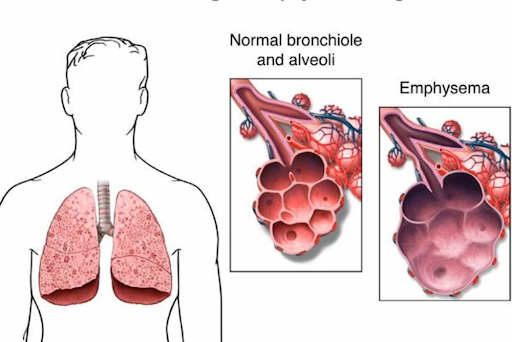
Emphysema is a chronic and progressive lung disease that falls under Chronic Obstructive Pulmonary Disease (COPD). It primarily affects the alveoli, which are tiny air sacs in the lungs responsible for oxygen exchange. In people with emphysema, these air sacs become damaged and lose their elasticity. As a result, air gets trapped in the lungs, making it difficult to fully exhale.
Over time, this damage reduces the body’s oxygen supply and causes increasing breathing difficulty.
Symptoms of Emphysema
Emphysema is a slow-progressing lung condition that often develops over several years. In its early stages, symptoms can be subtle and are frequently overlooked or mistaken for normal aging or lack of fitness. As the condition advances, breathing difficulties become more noticeable. Patients typically experience shortness of breath, especially during physical activities such as walking or climbing stairs. A persistent cough, wheezing, chest tightness, and ongoing fatigue are also common signs that the lungs are not functioning efficiently.
In more advanced stages, the continuous trapping of air inside the lungs may cause the chest to appear rounded or “barrel-shaped.” Individuals may also notice unintended weight loss, reduced stamina, and difficulty performing daily tasks. Because these symptoms can overlap with other serious respiratory conditions, it is important to seek timely medical evaluation. Consulting an experienced specialist, such as the Best Thoracic Surgeon or a qualified Medical Oncologist when necessary, ensures accurate diagnosis and appropriate management to improve breathing and overall quality of life.
Causes of Emphysema
The most common cause of emphysema is long-term cigarette smoking. Continuous exposure to tobacco smoke damages lung tissue over time. Other risk factors include air pollution, chemical fumes, occupational dust exposure, and secondhand smoke. In rare cases, a genetic condition known as Alpha-1 Antitrypsin Deficiency can lead to early-onset emphysema.
Treatment of Emphysema
Although emphysema cannot be completely cured, treatment helps manage symptoms and slow disease progression. Medical management typically includes bronchodilators to open airways, inhaled corticosteroids to reduce inflammation, oxygen therapy for advanced cases, and pulmonary rehabilitation to improve breathing efficiency.
For severe cases where medical therapy is insufficient, surgical options such as lung volume reduction surgery or lung transplantation may be recommended. These procedures are performed by the Best Thoracic Surgeon to enhance lung function and improve quality of life.
Understanding Empyema

Empyema is a serious infection characterized by the accumulation of pus in the pleural space, which is the area between the lungs and the chest wall. Unlike emphysema, empyema is not a chronic lung disease but an acute medical condition that often develops as a complication of pneumonia or other infections.
If not treated promptly, empyema can lead to severe complications and require urgent medical attention.
Symptoms of Empyema
Symptoms of empyema tend to appear suddenly and may be more intense than those of emphysema. Patients often experience high fever, sharp chest pain that worsens with breathing, persistent cough, shortness of breath, night sweats, and general weakness. In some cases, fluid buildup can significantly restrict lung expansion.
Causes of Empyema
Empyema usually develops when a bacterial infection spreads from the lungs into the pleural cavity. Pneumonia is the most common underlying cause. It can also occur due to chest trauma, lung abscess, tuberculosis, or complications following thoracic surgery. Individuals with weakened immune systems are at greater risk of developing this condition.
Treatment of Empyema
The primary goal of empyema treatment is to eliminate infection and remove the accumulated pus. Doctors typically begin treatment with targeted antibiotics. However, antibiotics alone are often insufficient.
Procedures such as thoracentesis or chest tube insertion may be necessary to drain infected fluid. In more advanced cases, minimally invasive surgery such as Video-Assisted Thoracoscopic Surgery (VATS) may be required. When infection becomes severe or complicated, surgical intervention by the Best Thoracic Surgeon ensures complete removal of infected tissue and restoration of lung function.
Major Differences Between Emphysema and Empyema
While both conditions affect breathing, their nature and management are entirely different.
Emphysema is a long-term, progressive disease that damages the lung’s air sacs and gradually reduces breathing capacity. It is most commonly associated with smoking and environmental exposure. Management focuses on long-term symptom control and improving quality of life.
Empyema, on the other hand, is an acute infection involving pus accumulation in the pleural space surrounding the lungs. It develops rapidly and requires urgent medical treatment, often including drainage procedures or surgery.
In simple terms, emphysema affects the inside of the lungs, whereas empyema affects the space around the lungs. This distinction plays a crucial role in diagnosis and treatment planning.
When to Consult a Thoracic Specialist
Persistent breathing difficulties, chest pain, high fever, or chronic cough should never be ignored. Early medical evaluation is essential to determine the exact cause of symptoms.
The Best Thoracic Surgeon uses advanced diagnostic tools such as chest X-rays, CT scans, pulmonary function tests, and laboratory investigations to identify the condition accurately. Prompt diagnosis allows for appropriate treatment and significantly improves outcomes.
Conclusion
Although emphysema and empyema may sound similar, they are very different medical conditions. Emphysema is a chronic lung disease primarily caused by smoking and long-term exposure to irritants, while empyema is a serious infection characterized by pus accumulation in the pleural space.
Recognizing the symptoms and seeking timely medical care can make a significant difference in recovery and long-term health. Consulting the Best Thoracic Surgeon ensures expert diagnosis, personalized treatment, and improved respiratory well-being.
Protecting lung health through preventive care, early detection, and specialized treatment is the key to breathing easier and living healthier.