Introduction
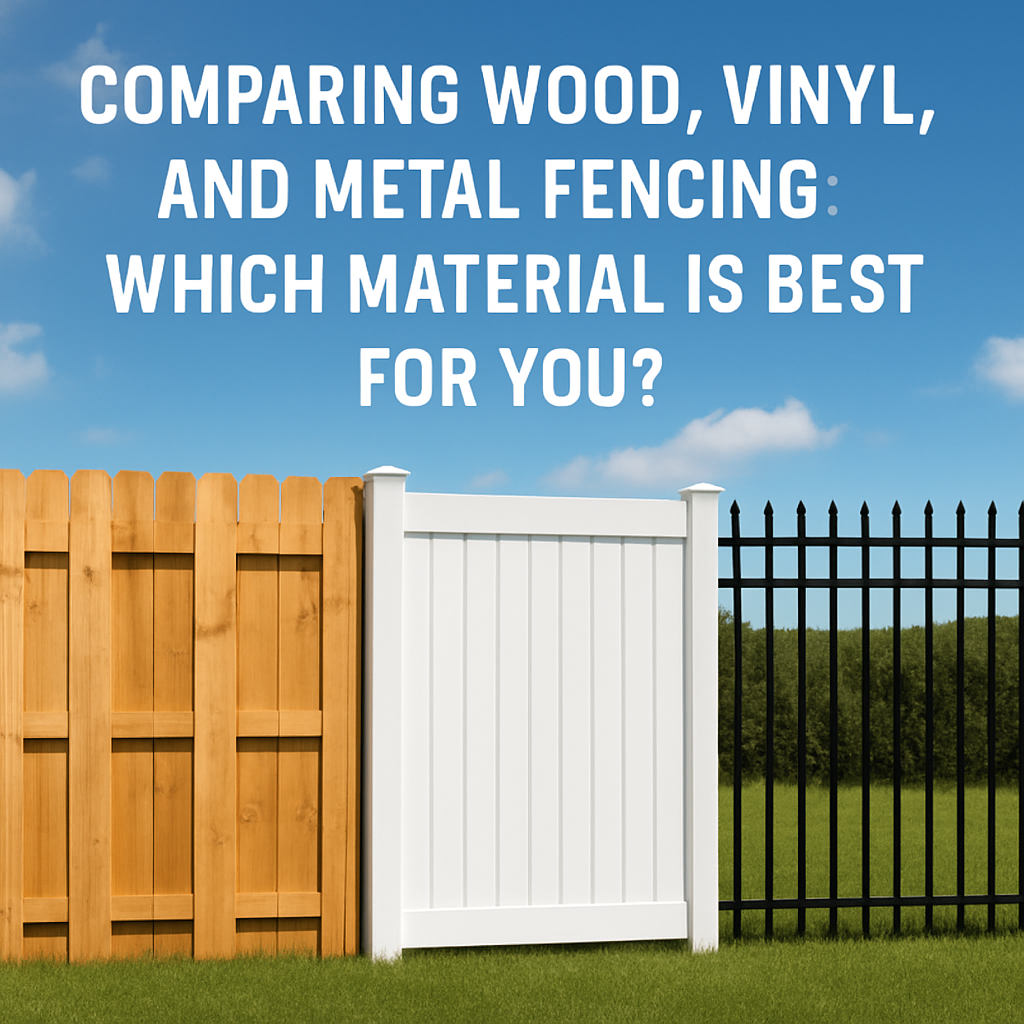
When it comes to choosing the ideal fence for your property, the material plays a crucial role in determining the fence’s durability, maintenance, and overall aesthetic. Wood, vinyl, and metal are three of the most popular fencing materials, each offering unique benefits and styles to suit different needs. Understanding the strengths and potential drawbacks of each material will help you make an informed decision that fits both your budget and lifestyle, notes Wilson Management professionals.
This article explores the features of wood, vinyl, and metal fencing to help you determine which material is best suited to your property.
1. Wood Fencing: A Classic Choice with Natural Appeal
Wood is a timeless choice that offers warmth and charm. With its versatility, wood fencing can enhance a variety of home styles, from rustic to contemporary. Whether you’re looking for a privacy fence or a decorative picket style, wood provides a customizable option that appeals to many homeowners.
Pros of Wood Fencing:
- Natural Aesthetic: Wood brings a natural beauty to any outdoor space, complementing both modern and traditional homes.
- Customizable Styles: From picket fences to tall privacy panels, wood can be shaped and stained to fit your desired look. It can also be painted in any color, making it versatile for different aesthetics.
- Eco-Friendly: Wood is a renewable resource, making it a more eco-friendly option compared to some synthetic materials.
Cons of Wood Fencing:
- High Maintenance: Wood requires regular maintenance, including staining or painting to prevent rot, warping, and insect damage.
- Vulnerability to Weather: Prolonged exposure to moisture and sunlight can cause wood to fade, split, or warp over time, especially if it’s not well-maintained.
Wood fencing is ideal for homeowners seeking a traditional look and don’t mind regular upkeep to keep their fence in good condition.
2. Vinyl Fencing: Low-Maintenance and Versatile
Vinyl fencing has become a popular option due to its durability and minimal maintenance needs. Made from synthetic materials, vinyl is designed to withstand the elements, making it an excellent choice for homeowners seeking a long-lasting fence.
Pros of Vinyl Fencing:
- Durability and Weather Resistance: Vinyl is highly resistant to weather, moisture, and UV rays. It won’t warp, rot, or fade, even in harsh climates.
- Easy Maintenance: Vinyl requires very little upkeep. A simple wash with soap and water is enough to keep it looking clean and fresh.
- Wide Range of Styles: Vinyl is available in numerous styles and colors, from classic white picket fences to privacy panels that mimic wood grain.
Cons of Vinyl Fencing:
- Higher Upfront Cost: Vinyl can be more expensive than wood initially, although its durability and low maintenance needs make it cost-effective in the long run.
- Less Customization: Unlike wood, vinyl cannot be painted or stained. You’re limited to the color and style options available from the manufacturer.
For homeowners prioritizing durability and ease of maintenance, vinyl fencing is an excellent choice that combines function and aesthetic appeal.
3. Metal Fencing: Strong and Secure
Metal fencing, including aluminum, wrought iron, and steel, is known for its strength and ability to enhance security. Offering a sophisticated appearance, metal fences can suit a range of architectural styles, from contemporary to industrial.
Pros of Metal Fencing:
- Superior Durability: Metal fences are highly durable and resistant to impact, making them a secure option for property boundaries. Aluminum, in particular, is rust-resistant and ideal for humid environments.
- Minimal Maintenance: Aluminum and powder-coated metal require little maintenance, as they don’t rust or corrode easily. An occasional wash is usually sufficient.
- Stylish and Decorative Options: Metal fencing comes in various styles, from ornamental wrought iron to sleek, modern designs that suit both urban and suburban homes.
Cons of Metal Fencing:
- Limited Privacy: Metal fences, especially those with open designs, don’t provide much privacy. They’re better suited for security and decoration than for creating secluded spaces.
- Higher Cost for Ornamental Styles: While basic aluminum fences are relatively affordable, ornate wrought iron can be expensive due to its intricate design and heavier materials.
Metal fencing is ideal for homeowners who value security, minimal upkeep, and an elegant look, though it may not be the best choice for those needing privacy.
4. Comparing Maintenance Needs
Each fencing material requires a different level of maintenance to stay in top shape. Consider your willingness to spend time and effort on upkeep when choosing between wood, vinyl, and metal fencing.
Maintenance Requirements by Material:
- Wood: Requires the most maintenance, including regular sealing, painting, or staining to protect against weather and insects. Expect to inspect and repair wooden fences more frequently than other materials.
- Vinyl: Virtually maintenance-free, requiring only occasional cleaning with water and mild soap. Vinyl does not fade, peel, or rot, making it the easiest to maintain.
- Metal: Aluminum fences require very little maintenance and are resistant to rust. However, wrought iron may need occasional repainting to prevent rust, especially in coastal areas.
For homeowners who prefer low-maintenance options, vinyl and aluminum metal fencing are clear choices, while wood is best suited for those willing to invest time in upkeep.
5. Cost Comparison: Initial Investment and Long-Term Value
While the initial cost of fencing is important, it’s also essential to consider long-term expenses such as maintenance and repair costs.
Cost Factors for Each Material:
- Wood: Typically more affordable upfront, but costs can add up over time due to maintenance and potential repairs. Cedar and redwood are often more expensive than treated pine.
- Vinyl: Has a higher upfront cost than wood, but its durability and minimal maintenance requirements make it a cost-effective choice in the long run.
- Metal: Aluminum is more affordable than wrought iron, but all metal options generally have a higher upfront cost. However, they offer lasting durability, making them a worthwhile investment for security-focused fencing.
In terms of long-term value, vinyl and aluminum offer better returns due to their low maintenance needs, while wood may require more frequent investments over time.
6. Environmental Impact and Sustainability
For environmentally conscious homeowners, the sustainability of fencing materials can be a deciding factor. Each material has unique environmental considerations, from resource sourcing to recyclability.
Environmental Considerations by Material:
- Wood: As a renewable resource, wood is biodegradable and can be sustainably sourced. However, treatments used to prolong wood’s lifespan can introduce chemicals, making it less eco-friendly.
- Vinyl: Made from synthetic materials, vinyl is not biodegradable, but some manufacturers offer recycled vinyl options. Its long lifespan also reduces the need for replacements, cutting down on waste.
- Metal: Aluminum is one of the most eco-friendly options, as it is fully recyclable. It often contains recycled content, which reduces its environmental impact.
For those looking for a sustainable option, wood and aluminum are generally more environmentally friendly, especially when sourced responsibly or made from recycled materials.
7. Style and Curb Appeal
Each fencing material offers a different look and can enhance the curb appeal of your home in unique ways. Consider how each material complements your property’s style and landscape.
Style Profiles by Material:
- Wood: Provides a warm, natural look that suits rustic, cottage, or traditional styles. Its versatility in design allows for everything from charming picket fences to robust privacy panels.
- Vinyl: Offers a clean, polished appearance, often available in designs that mimic wood grain. It’s perfect for homeowners who want a crisp, modern look without the upkeep of real wood.
- Metal: Ideal for adding elegance, with options like ornamental wrought iron or streamlined aluminum. Metal fencing works well with urban, industrial, and contemporary aesthetics.
By matching your fence’s material to your home’s style, you can enhance curb appeal and create a harmonious outdoor space.
Conclusion
Choosing the best fence material for your property involves balancing aesthetics, maintenance, cost, and sustainability. Wood, vinyl, and metal each offer distinct advantages that cater to different needs and styles. Wood is ideal for a classic look but requires more upkeep, vinyl provides a low-maintenance and versatile option, and metal delivers durability and security with an elegant touch.
For homeowners interested in professional installation, Hawk Fences offers expert advice and services for selecting and installing the perfect fence for your property. By understanding the strengths of each material, you can choose a fence that meets your practical needs while enhancing your home’s beauty and value.