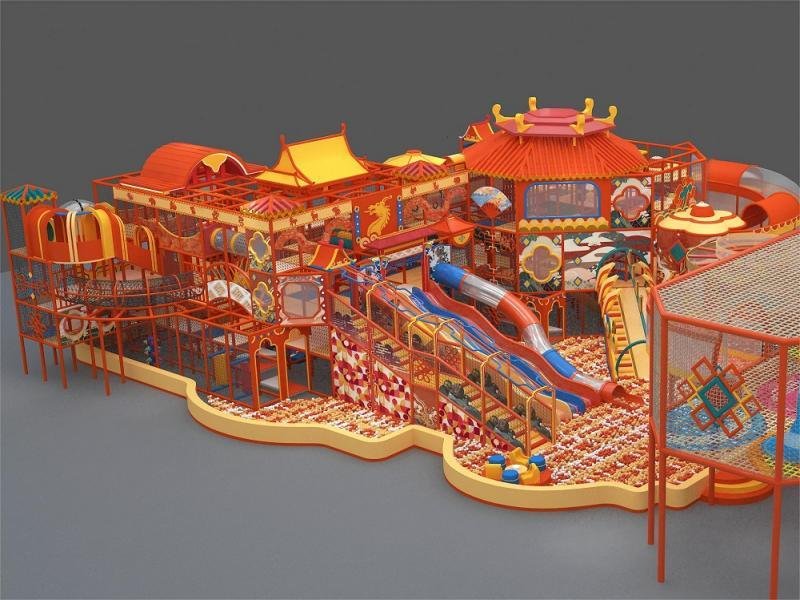
Commercial soft play equipment is a cornerstone for creating safe, attractive, and engaging indoor playground centers and custom playground solutions, combining durable materials, compliant design, and interactive features to deliver memorable play experiences for toddlers and children of all ages.
View Commercial Soft Play Equipment Manufacturer&Supplier- Didi Land Factory details to get into the details.
How do I select the right commercial indoor playground equipment and soft play design for my center?
Selecting the right commercial indoor playground equipment and soft play design requires a systematic evaluation of your site, target demographics, operational goals, and budget. Begin by assessing the intended play space and indoor environment, noting ceiling heights, available square footage, ingress and egress, and adjacency to other center operations such as daycare, cafes, or party rooms. Consider the age ranges you intend to serve — toddler soft play, mixed-age play systems for preschoolers, and larger active play zones for older children — and ensure the commercial play layout includes separate zones or adaptable elements to accommodate developmental needs. Prioritize durable materials, high-quality soft play products, and compliance with applicable safety standards while also considering aesthetic goals such as colorful, brand-aligned finishes and custom theming. Evaluate modular versus bespoke play structures based on long-term flexibility; modular indoor play systems can be reconfigured as your business scales, whereas custom indoor play solutions offer unique identity and targeted play experiences but require more upfront design and installation planning. Finally, incorporate service considerations into your selection process: supplier reputation for installation, warranty, maintenance, and aftercare will influence lifecycle costs and the ongoing success of your indoor playground center.
What factors should I consider when choosing play equipment for an indoor play area?
When choosing play equipment for an indoor play area, weigh functional, operational, and regulatory factors comprehensively to create a balanced play environment. Key considerations include safety standards compliance, space utilization, age-appropriate design, traffic flow, and cleaning protocols. Safety standards and certification for commercial playground equipment and indoor soft play equipment determine acceptable use, protective surfacing requirements, and component spacing; always verify supplier documentation for compliance with relevant regional regulations. Space planning must accommodate clear circulation paths, emergency exits, and designated caregiver observation points while optimizing capacity for revenue-generating activities such as birthday parties or drop-in play sessions. Materials selection affects durability and hygiene: high-density foam encased in antimicrobial, wipeable vinyl or textile finishes delivers longevity and ease of maintenance, whereas soft surfaces and pit designs like ball pits require specific cleaning and drainage considerations. Consider the mix of passive and active play elements — sensory panels, interactive technology, climbing structures, slides, trampolines, and mazes — to support diverse developmental outcomes and encourage repeat visits. Finally, factor in installation complexity, lead times for custom pieces, and the supplier’s ability to provide drawings, 3D renderings, and clear warranties for commercial indoor projects.
How can I customize a play structure to fit space, age groups, and brand?
Customizing a play structure to match space constraints, age groups, and brand identity begins with collaborative design workshops with a reputable supplier to translate your goals into a functional build. Use zoning strategies to allocate areas for toddler soft play, sensory corners, and larger active play installations, ensuring that each zone has age-appropriate surfacing and equipment heights. Custom indoor solutions can integrate branded color schemes, logos, and thematic 3D features while maintaining safety and accessibility; for instance, bespoke panels, foam climb features, and color-coordinated slides provide cohesive branding without compromising safety standards. Tailor the play structure’s complexity to the developmental stages you serve: toddler play sets should include low climbs, gentle slides, soft obstacles, and sensory textures, whereas older children benefit from multi-level frames, challenging climbs, and interactive play systems with higher slides. Customization should also consider operational needs such as sightlines for supervision, service access for maintenance, and modular components that can be upgraded or reconfigured. Work with suppliers who offer detailed shop drawings, virtual layouts, and installation plans so that the final build fits the play area precisely and achieves your commercial and experiential objectives.
When should I choose modular frames, 3D features, or bespoke play sets?
Deciding between modular frames, 3D features, or fully bespoke play sets depends on your timeline, budget, desired uniqueness, and future adaptability needs. Modular frames and play systems are ideal for centers seeking cost-effective, scalable solutions that permit phased installation and straightforward maintenance; they often include standardized components such as platforms, netting, and foam-clad posts that can be reconfigured as business needs change. 3D features and sculptural elements add tactile and visual interest, supporting sensory development and memorable branding, and are suitable when your design aims to create distinctive focal points within the indoor playground. Bespoke play sets are justified when a site requires unique spatial solutions, themed environments, or integrated multi-sensory programs, but they demand longer lead times, higher initial investment, and careful coordination with installation teams. Evaluate the trade-offs: choose modular systems for flexibility and lower upfront cost, select 3D features to enhance engagement within a primarily modular layout, and commission bespoke play sets when your commercial play center seeks a signature environment that differentiates it in a competitive market.
What are the safety standards and installation requirements for commercial soft play playground equipment?
Understanding safety standards and installation requirements is essential to operate legal and safe indoor soft play areas, as adherence influences insurance, licensing, and customer confidence. Commercial playground equipment must meet regional and international standards that govern cushioning, fall heights, structural integrity, fire retardancy of textiles, and safe spacing to prevent entrapment or entanglement. Suppliers typically reference standards such as ASTM, EN 1176/1177, or other local regulations relevant to indoor play, and high-quality commercial indoor playground products will be accompanied by conformity certificates, installation manuals, and maintenance guidelines. Installation requirements often include anchoring play structures to floor substrates, ensuring adequate clearance zones around slides and trampolines, and verifying load-bearing capacity for multi-level frames. For indoor soft play and toddler soft play zones, special attention must be paid to floor surfaces and foam padding to mitigate injury risk; certified impact-absorbing surfacing and sealed, hygienic coverings are common prerequisites. Engage qualified installers who understand the complexities of commercial play installations, including mechanical fixings, seam welding for vinyl padding, and correct assembly sequences that preserve warranty and compliance. A robust commissioning process with inspection reports and test sign-offs completes the installation phase, establishing a baseline for future maintenance and safety audits.
Which safety standards apply to indoor soft play and playground equipment for toddlers and kids?
Applicable safety standards for indoor soft play and playground equipment vary by jurisdiction but generally focus on impact attenuation, structural stability, access control, and material safety to protect toddlers and older children alike. Standards like EN 1176 and EN 1177 in Europe prescribe design requirements for playground equipment and surfacing impact absorption, while ASTM standards in North America address performance criteria and test methods for play equipment. For toddler soft play, regulations specify reduced heights for elevated platforms, rounded edges, enclosed areas to prevent falls, and soft padding with adequate foam density to absorb impacts from short falls. Materials must meet fire safety codes, low-toxicity requirements, and be designed to resist wear from frequent cleaning processes. Manufacturers of commercial playground equipment often provide technical data sheets detailing compliance with these standards, enabling buyers to verify conformity for indoor playground insurance and regulatory approval. Additionally, commercial centers should implement operational policies like supervised access for toddlers, age segregation, and routine safety inspections to complement the technical standards and create a comprehensive safety regime.
What are best practices for installation and ongoing maintenance to meet safety regulations?
Best practices for installation and ongoing maintenance begin with selecting a certified supplier and installer who provide clear installation plans, anchor specifications, and post-installation documentation. During installation, conduct a thorough site survey to confirm floor flatness, structural load capacity, and utility locations; ensure all fixings and seams are installed according to manufacturer guidelines, and complete a full commissioning checklist including tensioning nets, securing panels, and verifying impact-absorbing surfaces. For ongoing maintenance, implement scheduled inspections — daily visual checks for obvious hazards, weekly operational tests for moving parts, and quarterly or annual detailed audits that examine foam integrity, stitching, vinyl condition, and fasteners. Maintain a log of cleaning and repairs, replace worn foam padding promptly, and follow the supplier’s recommendations for surface treatments and disinfection to preserve hygiene without degrading materials. Staff training on safe operation, emergency procedures, and basic maintenance tasks such as tightening bolts or patching seams further supports compliance. These practices not only meet safety regulations but extend the useful life of commercial soft play equipment and protect your investment.
How do materials like foam padding and soft surfaces affect safety and durability?
Materials such as high-density foam padding and engineered soft surfaces play a dual role in safety and durability, serving as the primary line of defense against impact injuries while determining how long the equipment will remain serviceable under heavy commercial use. The foam core density, thickness, and cell structure influence energy absorption characteristics; suitably specified foam reduces peak forces on impact and helps the play structure comply with standards for fall heights. Encasing materials — typically wipeable, fire-retardant vinyl or durable textiles — provide abrasion resistance and hygiene-friendly surfaces that withstand frequent cleaning and disinfecting. Soft surfaces like interlocking safety tiles, poured rubber, or thick foam mats around slides and pits enhance impact attenuation and simplify maintenance. However, inferior materials can compress, tear, or delaminate over time, compromising both safety standards and aesthetic appeal, which is why investment in high-quality soft play products is prudent for commercial operations. Regular inspection and timely replacement of foam and coverings preserve safety margins and maintain the durability required for busy indoor playground environments.
How can I design an engaging play area that encourages active, sensory, and toddler play?
Designing an engaging play area involves blending active play elements with sensory stimulation and toddler-appropriate features to promote physical development, social interaction, and cognitive engagement. A well-conceived indoor play environment integrates slides, climbs, mazes, trampolines where appropriate, and ball pits to stimulate gross motor skills and encourage exploration, while incorporating sensory components such as textured panels, light and sound interactives, and tactile routes for sensory play. For toddlers, prioritize low platforms, gentle ramps, soft blocks, and sensory stations that invite touch, sound, and visual tracking without overwhelming their developing systems. Active play zones for older children should include climbing challenges, higher slides, and complex play structures that encourage problem solving and risk-assessed exploration. The overall design should be colorful and inviting yet organized to provide calm areas for caregivers and quiet play, ensuring a balanced play space that supports diverse children’s needs and fosters repeat visitation to the indoor playground center.
What elements make indoor play equipment engaging for different age groups?
Different age groups require tailored elements to sustain engagement: toddlers benefit from low-level interactive panels, soft climbers, small slides, and sensory-rich textures that support early motor milestones; preschoolers engage with multi-step climbs, tunnels, and themed play sets that encourage imaginative play and cooperative interaction; older children seek challenge through elevated platforms, rope climbs, agile pathways, and interactive digital features that combine physical exertion with game-like objectives. For all ages, color, contrast, and variety of shapes contribute to initial attraction, while interactive elements such as pivoting panels, sound-makers, and cause-and-effect mechanisms encourage repeated exploration. Consideration for sightlines and caregiver proximity is essential for safety and supervision, and ensuring that play equipment offers scalable difficulty and modular adaptability will keep play areas relevant as children progress through developmental stages.
How do sensory features and interactive elements improve developmental play?
Sensory features and interactive elements provide crucial stimuli that enhance cognitive, motor, and social development by engaging multiple senses simultaneously and encouraging exploratory learning. Components like textured surfaces, tactile pathways, light panels, and sound tubes stimulate proprioception, touch, and auditory processing, while interactive play systems that respond to motion or touch reward experimentation and develop cause-and-effect understanding. For toddlers, sensory-rich soft play areas support early sensory integration, language development, and fine motor skills through manipulation of soft blocks, bead panels, and simple puzzles. For older children, more complex interactive installations promote problem-solving, teamwork, and rhythmic coordination. By embedding sensory play into the broader design of a commercial playground, centers can offer therapeutic and inclusive play experiences that benefit children with diverse needs while enhancing the overall appeal of the indoor play space.
What role do slides, climbs, and mazes play in creating balanced active play?
Slides, climbs, and mazes form the backbone of balanced active play by providing graduated challenges that develop strength, balance, coordination, and spatial awareness. Slides offer controlled risk-taking opportunities and vestibular stimulation, which supports balance and confidence; climbs build upper and lower body strength, grip, and problem-solving as children select routes and negotiate heights; mazes and tunnels encourage navigation skills, social cooperation, and sustained engagement through exploration and discovery. A well-designed play structure sequences these elements to allow progression from simple to complex tasks, enabling continuous engagement across age groups within the indoor playground. Ensuring appropriate surfacing around slides and climbs, and clear ingress/egress paths within mazes, maintains safety while maximizing the developmental benefits of active play.
What should I know about commercial playground equipment for sale and choosing a supplier?
When evaluating commercial playground equipment for sale, thorough supplier vetting, transparent quoting, and clear contractual terms are essential to secure reliable commercial playground solutions. Prioritize suppliers with a proven track record in commercial indoor installations, robust safety certification documentation, and a portfolio of indoor play centers or parks showcasing high-quality, durable installations. Request detailed quotes that separate design, manufacturing, shipping, installation, and aftercare costs, and obtain references to confirm timely delivery and professional installation. Verify that play equipment offered as “commercial” meets industrial-grade durability criteria and comes with comprehensive warranties, spare parts availability, and documented maintenance schedules. Assess the supplier’s ability to customize designs, provide 3D renderings, and coordinate site surveys and installation teams to ensure seamless project execution. Choosing the right supplier mitigates risks and positions your indoor play center for long-term operational success.
How do I evaluate suppliers and compare quotes for commercial indoor playground equipment?
Evaluate suppliers by comparing technical specifications, compliance documentation, warranty terms, and the range of services included in their quotes, such as site surveys, professional installation, staff training, and aftercare. Look beyond price: analyze material grades, foam densities, framework construction, and finishing details to ascertain durability and maintenance implications. Request itemized quotes and compare lead times, shipping logistics, and installation scope; confirm that the supplier provides clear installation manuals, as-built drawings, and post-installation inspections. Seek testimonials and case studies from comparable commercial play projects, and confirm insurance and licensing credentials for installers. A shortlisted supplier should demonstrate responsiveness, provide transparent cost breakdowns for commercial playground equipment, and offer flexible solutions such as modular upgrades or bespoke customization to meet your center’s specific objectives.
What warranty, installation, and aftercare services should a reliable supplier provide?
A reliable supplier should provide a comprehensive warranty covering structural components, wear materials, and workmanship for a reasonable commercial timeframe, alongside clear exclusions and procedures for warranty claims. Professional installation services are expected, including certified installers, on-site project management, and a final commissioning report that documents compliance with safety standards. Aftercare services should include scheduled maintenance plans, availability of spare parts for soft play products, refurbishment options, and training for staff on daily inspections and minor repairs. Suppliers that offer extended service agreements or maintenance packages help ensure long-term safety and durability of the commercial play investment, reducing downtime and maintaining the indoor playground’s reputation for high-quality, safe play.
Are there financing, leasing, or package options for purchasing playground equipment?
Yes, many suppliers and financial providers offer financing, leasing, and package options to spread the capital expenditure of purchasing commercial playground equipment, enabling centers to access high-quality, custom indoor play solutions without large upfront costs. Financing options may include equipment loans, leasing agreements with end-of-lease purchase options, and tailored packages that bundle design, installation, and maintenance into a predictable monthly cost. Suppliers may also offer phased implementation packages, allowing modular installation in stages aligned with cash flow or opening schedules. When considering financing, evaluate interest rates, total cost of ownership, and how warranty and maintenance obligations are handled during the lease term. Structured financing solutions can make high-quality, commercial indoor playground equipment accessible while preserving working capital for operational needs.
How do I plan layout, capacity, and zoning for a commercial indoor playground or play center?
Planning layout, capacity, and zoning for a commercial indoor playground involves strategic allocation of space to ensure safety, efficient flow, and diverse play offerings that optimize revenue and user satisfaction. Develop a zoning plan that segregates toddler soft play, sensory areas, active play zones, and party or seating areas to minimize conflicts and maintain clear sightlines for supervision. Use capacity guidelines based on equipment type, square footage per child, and circulation paths to determine safe occupancy limits; these guidelines should reflect local regulations and industry best practices for commercial play spaces. Allow for buffer zones around high-impact equipment like slides and trampolines, and design explicit entry and exit controls to manage throughput during peak times. Incorporate staff stations, signage, and wayfinding into the layout to support supervision, age enforcement, and emergency protocols, and plan for ancillary needs such as storage for soft play products, maintenance access, and cleaning stations to sustain the indoor play environment over time.
How should I zone areas for toddlers, sensory play, and larger kids within an indoor play area?
Zone areas by age and activity to promote age-appropriate engagement and safety: designate a toddler soft play zone near caregiver seating with low-level play sets, padded flooring, and visual barriers to contain younger children; a sensory play area should be slightly removed from high-traffic active zones and include calming textures, interactive panels, and low-light or dimmable elements for focused sensory engagement; larger kids need more expansive active play zones with taller frames, challenging climbs, larger slides, and open floor space for organized games. Use physical separations such as low partitions, netting, or thematic panels to delineate zones while preserving sightlines for supervision. Clear signage and supervising staff at transition points help enforce age segregation and maintain a safe, enjoyable experience across the indoor playground.
What are capacity guidelines and spacing considerations for safety and flow?
Capacity guidelines typically derive from the play equipment manufacturer’s recommendations, local regulations, and accepted industry metrics that define square footage per child by activity type; for example, toddler soft play areas require more space per child due to caregiver presence and lower mobility, while open active zones may accommodate higher throughput with adequate clearances. Spacing considerations include safe fall zones around slides and climbs, buffer areas for ball pits and trampolines, and unobstructed emergency egress routes. Circulation aisles should be wide enough to manage peak flows and accommodate strollers or mobility aids, and operator facilities such as ticketing, restrooms, and parent seating must be sited to minimize congestion. Applying these guidelines during the layout phase ensures safety compliance and creates smooth operational flow within the commercial playground.
How can signage, staffing, and supervision be integrated into the layout plan?
Integrate signage, staffing, and supervision by placing clearly visible signs at zone entries outlining age ranges, rules, and capacity limits, and by locating staff stations centrally to oversee multiple zones simultaneously. Incorporate elevated vantage points or strategically placed benches for caregivers and supervisors to maintain unobstructed sightlines, and allocate dedicated staff areas for storage and incident response. Training staff in active supervision techniques, conflict resolution, and emergency procedures is essential and should be coordinated with the physical layout to ensure rapid response when needed. Clear wayfinding and rule signage reduce ambiguity and support compliance, while sufficient staffing levels aligned with peak attendance maintain safety and a positive visitor experience throughout the indoor playground center.
What are common maintenance, cleaning, and lifecycle considerations for soft play equipment?
Common maintenance , cleaning, and lifecycle considerations for soft play equipment are basically central to preserving safety, hygiene, and its general look in a commercial indoor playground. You’ll want to implement routine cleaning protocols using manufacturer-approved disinfectants, so you can stop microbial growth on those high-touch areas and also inside ball pits, where frequent replacement or sanitation is usually required. Scheduled inspections should check foam integrity, seam conditions, fastener security, and surface wear, then repair or swap out compromised parts right away , because delayed fixes can turn into safety risks. Lifecycle planning, meanwhile, typically includes budgeting for periodic refurbishment of vinyl coverings, replacement of foam pads, and eventual upgrades to the play system, especially when safety standards shift and customer expectations evolve. Keeping full documentation, like inspection notes, cleaning logs, and a repair history , also helps with warranty claims and shows due diligence during regulatory reviews and insurance audits.
How often should soft play surfaces and foam elements be cleaned and inspected?
You generally want soft play surfaces and foam elements to get daily visual cleaning for spills and hazards, then a weekly deeper clean focused on high-touch zones. After that, plan monthly or quarterly thorough inspections depending on how much traffic you get. Ball pits usually need more frequent sanitation cycles, plus ball rotation, if that’s part of your setup. Foam elements should be checked for compression, tears, and odor, because those signs can indicate microbial growth. Pressure-washing or steam-cleaning can be scheduled only as instructed by the manufacturer, so hygiene stays high without degrading the materials. Put it all into a written maintenance schedule tailored to your center’s traffic patterns and environmental conditions , and keep records of every cleaning and inspection activity so you maintain compliance and also get better input for lifecycle replacement planning.
What routine maintenance extends the lifespan of indoor playground equipment?
Routine maintenance that extends lifespan incl
When is it time to repair, refurbish, or replace components of a commercial play structure?
When inspections turn up compromised foam with permanent compression, torn or delaminated coverings and exposed or corroded structural elements, or when the equipment just doesn’t match the current safety standards anymore, you should repair, refurbish, or replace the affected components. Sometimes minor damage can be handled right away so it dosen’t escalate, but if wear shows up repeatedly, or if the unit is starting to feel obsolete, then refurbishment or a full replacement makes more sense to keep the safety levels and the guest experience steady. Also, think about the replacement timeline in line with what the manufacturer recommends and how hard the equipment is actually getting used. High-traffic zones might need component renewal more often than the peripheral features, just because the wear pattern is different. In the end, strategic lifecycle management— backed by proper budgeting, plus solid supplier relationships for spare parts and refurbishment services— helps make sure the indoor playground stays safe, inviting, and efficient to run over time.