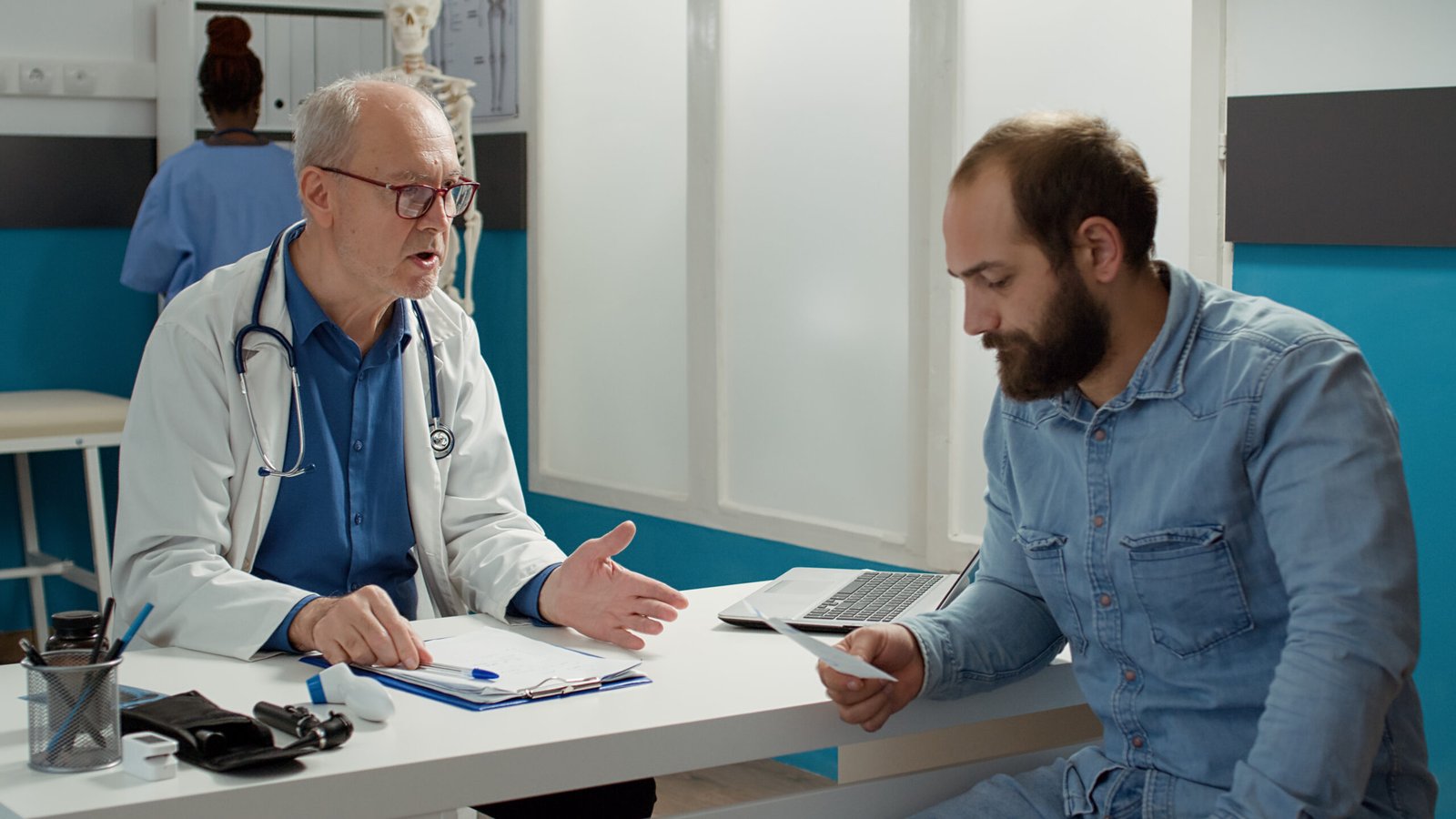
The Canadian market of colonoscopy devices is one of the fastest-growing markets in North America, empowered by improvements in procedural accessibility and provincial initiatives. Several regions of Canada have enhanced their ability for routine colonoscopy, which contributes to enhanced equipment procurement. Here, we explore how to prepare for a colonoscopy – from booking to aftercare.
The Canadian colorectal surgery market is expected to hit $308.0 million by 2033, at a CAGR of 4.2% (2025-2033).
The colonoscopy clinics (clinique colonoscopie) in Montreal use advanced and flexible scopes with a camera to check the colon (large intestine) and rectum. It is primarily used for diagnosing, screening, and preventing colorectal cancer, as well as examining several symptoms like pain or bleeding, and the detection and removal of polyps.
Performed with sedation, professional experts put the colonoscope through the anus, and for a clear view, they inflate the bowel with air. It is useful in removing unwanted growths and offers a detailed look at the intestinal lining, affected by inflammation or any other issues.
But how is a public or private colonoscopy in Montreal healthcare centres done? What does it take from booking to aftercare services? Let’s find out.
What Happens During the Colonoscopy Procedure?
Here, the steps and stages followed during the colonoscopy process.
- Preparation: A bowel-cleansing solution and special diet are needed to clean the colon effectively.
- Sedation: Experts will provide medication to keep you relaxed, and you will not feel any pain or remember the procedure.
- Insertion: The lubricated colonoscope is put into the rectum carefully and pushed through the colon.
- Examination: Carbon dioxide or air is used to inflate the bowel to get a better view. The camera fitted on the scope provides real-time images to a monitor.
- Intervention: Tiny tool, carefully passed through the scope, can take tissue samples (biopsies) or remove polyps (polypectomy).
- Withdrawal: A thorough exam is performed during this phase, when the scope is pulled back.
| Purpose | How Colonoscopy Helps |
| Cancer Screening & Prevention | Removes and detects precancerous polyps, lowering the risks of colon cancer. |
| Diagnosis | Examines the reasons behind rectal bleeding, abdominal pain, changes in bowel habits and chronic diarrhoea. |
| Disease Management | Help monitor and diagnose critical conditions like ulcerative colitis. |
Table: What Are the Key Purposes of Colonoscopy?
Phase 1: Booking and Initial Planning
In this first phase, you need to consult your doctor for a public or private colonoscopy in Montreal, arrange reliable transportation, clear your schedule, and purchase prescribed items.
Consult Your Doctor
Make sure that you discuss health conditions, like heart or kidney disease, current medications, especially iron supplements, blood thinners and diabetes medications, and your overall medical history. You’ll receive specific instructions tailored to your health condition and a clinically approved prescription for a bowel preparation solution.
Arrange Transportation
This is important for your safety.
Since you’ll be sedated during the colonoscopy, you require a responsible friend or family member to drive you home and stay with you in the next few hours.
Clear Your Schedule
It’s highly recommended to stay at home the day before the colonoscopy is done.
Shop Ahead
Get the prescribed bowel preparation and supplies, such as diaper cream, moist wipes and clear liquids, in advance.
Phase 2: Days Leading Up to the Procedure
Be careful before a colonoscopy takes place, and in this regard, follow these instructions to stay safe and less anxious.
5-3 days Before
Make sure that you follow a low-fibre diet. In this regard, avoid high-fibre foods like seeds, nuts, whole grains, and raw fruits and vegetables.
1 day Before
- Shift to a clear liquid diet only. Any type of solid food may hamper the entire process. Here, what you can do.
- Drink plenty of water. Apart from that, drink bouillon or broth, tea, or coffee (no milk or cream), clear juices of white grape or apple, clear sports drinks, and popsicles.
- Avoid orange juice, alcohol, and milk.
Start the Purge
- The evening before a colonoscopy, you should begin drinking the first dose of laxative solution, as prescribed by experts.
- Better to stay close to a bathroom as the laxative induces diarrhoea.
- To improve taste, you can chill the solution, use a straw, or add clear flavour packets, such as lime or lemon.
Phase 3: The Day of the Procedure
Now, as the day has arrived, you need to be careful about a few things to experience the most effective colonoscopy services in colonoscopy clinics (clinique colonoscopie).
Finish the Prep
Wake up early, and make sure that you take the second laxative solution dose several hours before you reach the clinic. When your stool is clear and yellowish liquid, you will know that the process is complete.
Do not Eat or Drink
Before the procedure begins, stop taking any type of liquids you were taking according to the doctor’s instructions.
At the Clinic
- Do not wear any tight clothes. Wear breathable, comfortable clothing.
- The procedure will start with an IV line for the sedative and fluids, and the entire process will take 30-60 minutes.
- You will not feel any pain, as you will stay sedated.
Phase 4: Aftercare and Recovery
Once the procedure is done, you need to go through some aftercare processes to prevent any major physical issues.
Immediate recovery
As the sedation wears off, the experts will monitor you for about an hour. You may experience mild bloating or cramping due to the air put in during the process. Don’t worry, as walking will immediately relieve this issue.
Going Home
- Make sure that you have a licensed and driver company to take you home.
- Avoid drinking alcohol, do not drive or operate heavy machinery.
- Do not try to make any important decisions on that day.
Resuming Diet
You can resume the normal diet once the procedure is done. It’s better to start with light meals and consume regular foods gradually.
When to Call the Doctor
Do not panic if you see mild rectal bleeding, since this is normal if polyps were removed. But do contact your doctor as soon as possible if you experience abdominal pain, severe bleeding, or fever.
Final Thoughts
So, before you finalise any private colonoscopy centre in Montreal, go through their services and safety measures, incorporated during the process. Check their credibility and accreditation, so that you do not opt for any unauthorised clinic. However, go for first-hand experiences if you can find any from any family member or friend, before you fix the date.
Looking for the best private colonoscopy in Montreal?
Still not sure about the healthcare services or clinic safety? Find the best one near you, reviewing the website and service lists before any complex health concerns.