The nervous system and the human brain constitute a complex system of coordination of the brain, sensation, movement and regulation of the body functions. Damage to certain parts of this system may present as peculiar neurological diseases each with its own characteristic clinical features. The analysis of these conditions in the framework of neuroanatomy not only allows us to see their roots but also facilitates the creation of specific interventions and treatment. The article discusses some of the prevalent neurological diseases such as Parkinson disease, stroke, multiple sclerosis and traumatic brain injuries, highlighting how structural lesion in effect leads to functional loss.
Parkinson Disease The Unobtrusive Loss of Motor Control
Parkinson disease is a regressive neurodegenerative malady that mainly affects the motor system. This condition is characterized by the death of dopaminergic cells in the substantia nigra, a small part of the midbrain that is highly important in the regulation of smooth, intentional movements. Dopamine is a neurotransmitter necessary in the transmission of signals between the substantia nigra and the basal ganglia, which are involved in the control and initiation of movement. Dopamine depletion interferes with this communication leading to the typical motor symptoms of Parkinson disease such as tremors, rigidity, bradykinesia (slowness of movement), and postural instability.
Other neural circuits may also be involved as the disease advances, as non-motor symptoms, including cognitive impairment, mood swings, and autonomic dysfunction, may take place.
Neuroanatomical Engineering of Symptoms
The degeneration of the substantia nigra reduces the level of dopamine into the striatum, which affects the equilibrium between excitatory and inhibitory pathways in the basal ganglia. This imbalance hinders the ability to start and to move smoothly. The abnormal oscillation in the thalamocortical circuits is what causes tremors whereas an augmented muscle tone due to disrupted control of the basal ganglia is what makes the rigidity. This circuitry can be used by clinicians to match the functional deficiencies in patients with the anatomical injury of the neural circuitry.
Stroke: A Sudden Cut in Blood Supply
Stroke, also known as cerebrovascular accident (CVA) is a condition that happens when the blood supply to a certain part of the brain is stopped resulting in the death of neurons and loss of functionality. There are two major types of strokes: ischemic, which is due to obstruction, e.g. by a blood clot, and hemorrhagic, which is due to the rupture of a blood vessel. Defects in the brain that occur as a result depend on the place and size of the brain damage.
Ischemia and Stroke and Dysfunction
Oxygen and glucose are also a deficiency of neurons in ischemic strokes, and in this case, cell death occurs quickly. The injury to the middle cerebral artery (MCA) area is frequent and may lead to contralateral weakness (hemiparesis), loss of sensation, and language impairment in case of the dominance hemisphere. The motor deficits are usually severe as a result of lesions in the inner capsule, which is a white matter structure in the motor and sensory fiber in the brain.
Brain Damage and Hemorrhagic Stroke
Hemorrhagic strokes which result due to rupture of vessels may cause pressure to the nearby brain tissue and hamper normal functioning of the brain. As an illustration, a bleed in the cerebellum can result in ataxia (loss of coordination) and imbalance, whereas bleeding in the brainstem can affect the functioning of such important systems as breathing and heart rate control. The speed of diagnosis and localization of the anatomy is essential in stroke management.
Multiple Sclerosis: Myelin Connection
Multiple sclerosis (MS) is an autoimmune disease that is associated with demyelination in the central nervous system (CNS). The sheath around the axons is known as myelin and supports quick passage of electrical signals. The destruction of the myelin leads to slowing or impairment of nerve conduction which causes variable academic or neurological symptoms.
Clinical Presentation and Neuroanatomy Co-Relation
MS lesions may be located in any part of the CNS such as the brain, spinal cord and optic nerves. Such symptoms as visual disturbances, motor weakness, changes in sensory, and cognitive impairment are common. Damage of the optic nerve results in optic neuritis and visual impairment and spinal cord plaques may result in limb weakness and spasticity along with sensory losses. The cerebellar demyelination impairs coordination and balance.
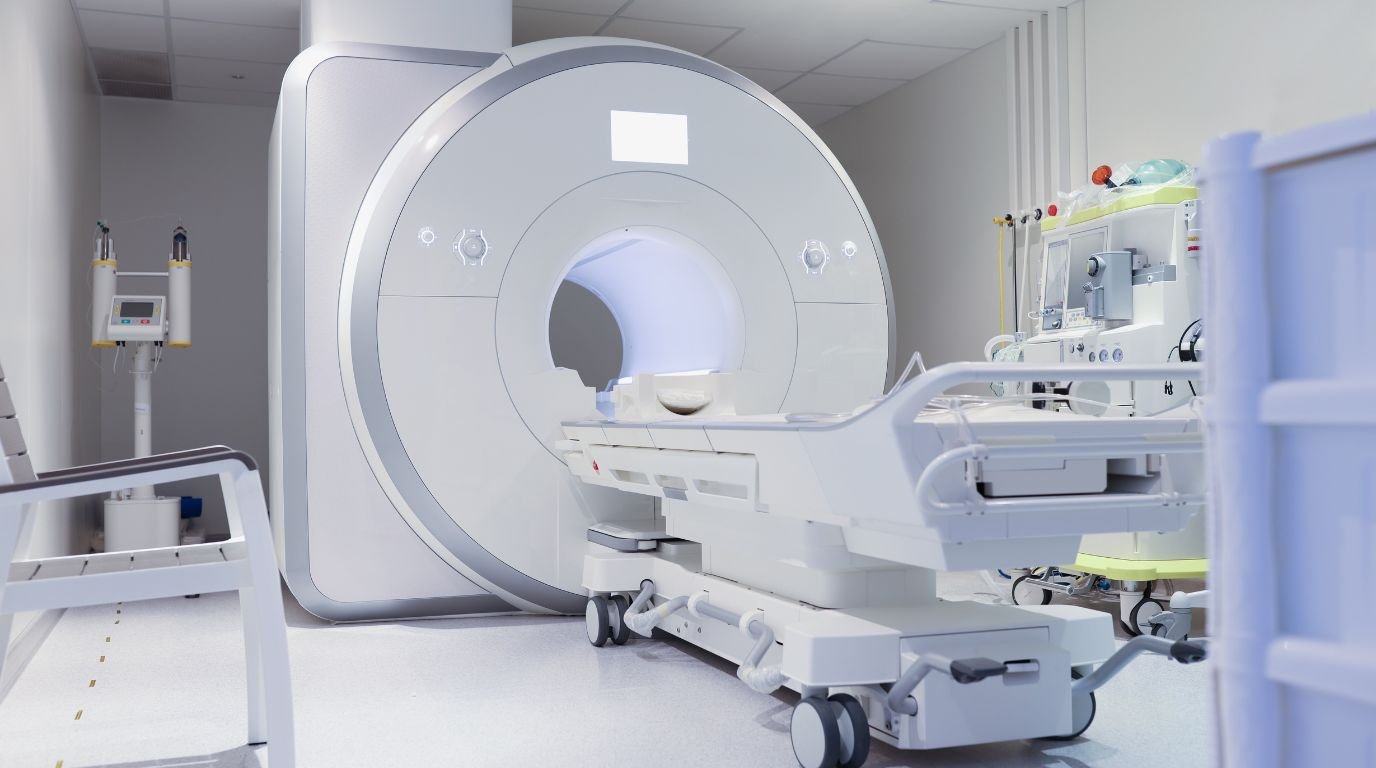
The fluctuating nature of MS symptoms is due to the disperse character of the demyelinating plaques, suggesting the relevance of neuroanatomy localization in diagnosing and therapy planning. MRI is essential in imaging of these lesions and monitoring the disease progression.
Traumatic Brain Injury: Biomechanical Forces and CNS Failure
Traumatic brain injury (TBI) is a condition caused by an external mechanical force which leads to damage of the brain tissue, including motor vehicle accidents, falls or sports injuries. TBI can be mild concussions or severe brain impairments with permanent neurological impairments.
Mechanisms of Injury
TBI may include focal injury, that is, a localized or area of the brain is impacted, or diffuse axonal injury, the destruction of a large number of white matter tracts. Depending on the location where the injury occurred, focal injuries can result in certain deficits. As an example, frontal lobe damage may have personality changes, poor judgment, and motor impairments, whereas the temporal lobe damage may have memory and sound processing. The neural communication is generally widespread since diffuse axonal injury commonly leads to protracted unconsciousness or a coma.
Neuroanatomical Implications
The destruction of the prefrontal cortex affects the executive functions, attention, and social behaviour. Damage to the hippocampus impairs formation of memory, whereas damage to the brainstem may impact on consciousness and autonomic regulation. Exact anatomical localization of injury in TBI is directly related to clinical manifestation directing treatment efforts and prognosis.
Connection of Neuroanatomy to Clinical Practice
Clinical neuroanatomy is essential in understanding how brain structures are related to the brain functions of the brain. Parkinson disorders, stroke, multiple sclerosis, and TBI are disorders that demonstrate how certain parts of the brain play a role in motor, sensory, cognitive, and autonomic functions. Clinicians use this knowledge in the interpretation of symptoms and location of lesions and intervention customization.
An illustration of such is the appreciation that tremors in the disease Parkinson are as a result of basal ganglia malfunctions, which informs the implementation of dopaminergic therapy and deep brain stimulation treatment. In a similar case, the finding of MCA territory involvement in stroke assists in predicting motor and language deficits and compiles the rehabilitation plans. MRI and CT are used to diagnose and trace the disease progression with a high level of accuracy with the help of neuroanatomy knowledge.
Rehabilitation and Neuroplasticity
Rehabilitation is also informed by neuroanatomy. Neuroplasticity is the ability of the brain to rearrange its neural networks in case of injury. Repetitive motor exercises and constraint-induced therapy can enhance the use of alternative neural pathways to compensate the damaged parts in the stroke recovery process. Cognitive rehabilitation is a form of treatment used in TBI to utilize the neural networks left to recover memory, attention, and executive functioning.
Physical therapy to ensure mobility and occupational therapy to ensure daily functioning is frequently used to treat multiple sclerosis, depending on lesion localization and severity of symptoms. Knowledge of the neural structures impaired will allow tailored therapy that achieves optimal functional recovery.
New Therapies and Future Perspectives
The progress in neuroanatomical studies is still influencing the methods of treatment. Deep brain stimulation of specialized basal ganglia nuclei is used to combat the motor effects in Parkinson disease. MS therapies that are experimental in nature such as remyelination and immune-modulating therapies are designed to repair or prevent additional neural damage.
TBI has a future in stem cell therapy and neuroregenerative medicine, which provides possible opportunities to replace damaged neurons and support the process of axonal recovery. The finer understanding of neuroanatomy is needed to develop the specific interventions that can be used to cover the particular regions of damage in each disorder.
Conclusion
Clinical neuroanatomy fills the gap between the structure and the functioning of the brain, giving the basis of understanding the neurological disorders. Parkinson, stroke, multiple sclerosis, and traumatic brain injuries, among others, are examples of diseases that show the way the harm to specific neuronal structures can be translated into clinical syndromes. The association of anatomy with clinical presentation enables the healthcare practitioners to make proper diagnosis, treatment, and rehabilitation of the patient, enhancing his or her quality of life and functional outcomes.
In-depth knowledge of neuroanatomy does not only contribute to our knowledge of disease processes, but also helps to create new treatments, which justifies the crucial role of the structure-function relationship of the human nervous system.