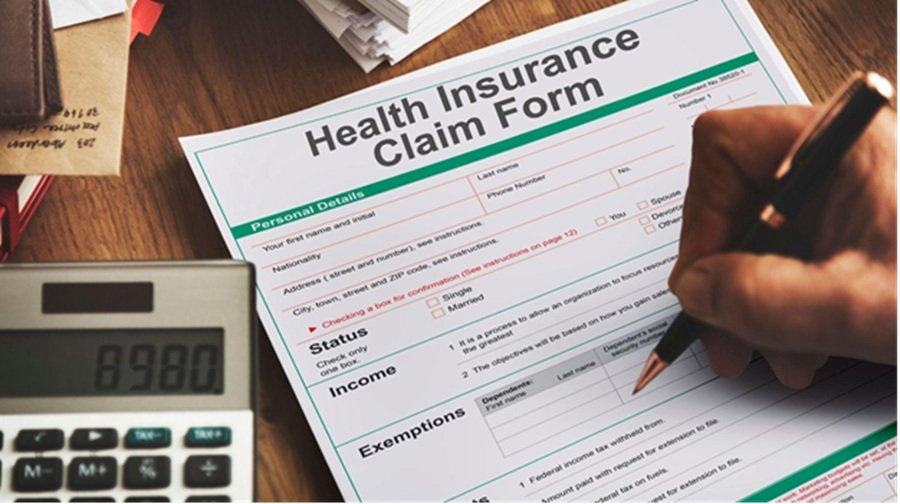
Car insurance guide information is essential for every driver because car insurance is out of the ordinary as a financial product—it is a legal requirement and a safety net for drivers. As a new car owner or a person renewing your policy, you must familiarize yourself with what is covered. Insurance is a tool that protects you from unknown charges due to accidents, theft, or damage and also makes sure you are within the legal boundaries. Without it, you take on the risk of large-scale financial issues and legal problems that may actually be larger than the insurance rates.
This guide breaks down the different types of car insurance coverage to make the complex simple. We go over what each type includes and which factors influence premiums. Also, we provide you with practical info on how to compare quotes and save money. By the end, you’ll have a clear picture of how to choose the right policy for your needs, protect your investment, and make smart financial decisions.
Understanding Third-Party Insurance
Third-party insurance is what we term the base type of car insurance, which in many areas is a requirement by law. What it does is cover you when you are the at-fault party in an accident, which in turn takes care of other people, vehicles, or property that may have been damaged. What it doesn’t do is cover your own car or medical expenses. That said, it is a very basic yet very important coverage, which in large part is for drivers looking to fulfill legal requirements without breaking the bank.
While third-party insurance is affordable, what it does is put forward limitations. If your car is in an accident, the repairs are out of your pocket. Also, in the case of vehicle theft or damage from fire, you do not get compensated. This type of insurance is best for older cars that have low market value, at which point the cost of full coverage may exceed the benefits.
Comprehensive Insurance Explained
Comprehensive insurance is a more in-depth protection compared to third-party coverage. It covers damages to your car and to the other party. This also includes car damage, theft, fire, vandalism, and even the likes of a flood or storm. For many car owners, this type of policy provides extra peace of mind knowing you are covered for many different types of risks.
The price of comprehensive coverage is high, but the benefits often outweigh the cost. For instance, if your car is new or of great value, comprehensive coverage will see you through in the event of unforeseen issues. Also, many companies present add-on options such as roadside assistance, rental car reimbursement, and protection for personal items in the vehicle, which in turn makes comprehensive coverage a flexible and protective choice.
What Is Full Coverage Insurance?
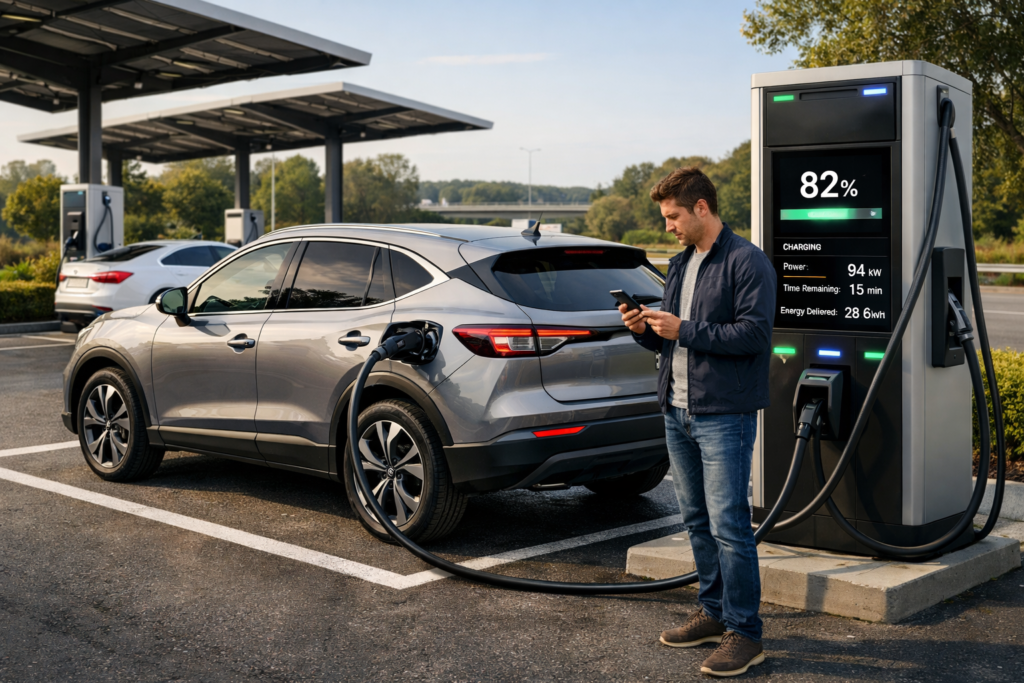
Full coverage is a term used to combine liability, collision, and comprehensive coverage. It is not a defined policy but a package that gives you maximum protection. With full coverage, you are protected against damage to your car, third-party claims, and a wide range of issues including theft, fire, and natural disasters. This makes it the best choice for car owners who want the greatest level of protection.
Full coverage, which includes many types of insurance, is also a more expensive option. But it is very useful for new cars, financed vehicles, or for people who want to minimize their risk. To know what full coverage includes, check out this in-depth resource on full coverage insurance. By looking at this information, you may determine if the higher premiums are worth the extra security.
Factors That Affect Insurance Premiums
Several issues play into what you pay for car insurance. At the top of the list is your driving record. Those with spot-free records usually see lower rates, but those that have been in accidents or have traffic violations will see higher prices. Age and experience also come into play—young drivers tend to pay more as they are viewed as a higher risk.
Other issues to note are what kind of car you have, its age, and what it is worth in the market. Performance and luxury cars usually see higher insurance rates, which in turn means higher repair costs. Your location also plays a role; living in a high accident or theft area will increase your premium. The level of coverage you choose and any add-ons will directly affect the price. By looking at these factors, you can make changes that will lower your rates without removing coverage.
Comparing Car Insurance Quotes
When it comes to car insurance, shopping around is key. Different companies may present different rates for the same coverage, which is why it is to your advantage to look into all of them. Also, do not just focus on the price—pay close attention to what is included in the package, such as deductibles, limits, and exclusions. What you may think is a cheap option could leave you under protected.
Online comparison tools make this task easier by putting many quotes at your disposal at once. It is also a good idea to look at what other policyholders have to say and the company’s track record with claims. Do not go with the cheapest option all the time; do research to find out what works for you and what fits your budget. By careful analysis of the quotes, you can get a policy that is right for your requirements and budget.
Legal Requirements and Why They Matter
Car insurance also serves as a financial safety net, but in most regions, it is a legal requirement. Breaking this law may result in fines, license suspension, or in some cases jail. What is usually required is third-party insurance, which covers the other party in case of an accident caused by your vehicle. This protects drivers as well as society, reducing financial issues that arise from accidents.
Beyond what the law requires, having insurance shows responsibility and financial preparation. It also eases the mind of lenders when your car is financed and reassures you and your family. Being aware of the legal requirements in your area ensures compliance while allowing you to choose the right level of coverage for your situation.
Smart Tips for Reducing Car Insurance Costs
Car insurance is expensive, but there are options to reduce the cost. One option is to bundle your insurances—many companies will give you a discount if you combine your car insurance with your home or renter’s insurance. You can also increase your deductible, which lowers the premium you pay, though it means you will pay more out of pocket in the event of a claim.
Maintaining a clean record, installing anti-theft devices, and choosing cars with great safety features can also lower costs. Reviewing your policy at regular intervals gives you the opportunity to remove add-on coverage you don’t need. By doing this, you maintain the same level of protection but at a lower price.
Conclusion: Making Better Insurance Decisions

Car insurance is a very important component of taking care of your car and your finances. As you decide between third-party, comprehensive, or full coverage options, think carefully about which one is best for you. By considering what affects the prices and getting the best quotes, you can secure the perfect policy at the best price.
In the end, what you put into insurance is about finding the fine line between cost and coverage. With the right plan, you can put away your worries no matter what happens. Take the time to look at your choices, understand the laws in your area, and try out different cost-saving options. This way, you not only meet requirements but also secure your finances. Car insurance is peace of mind, and by making the right choice today, you may save yourself from large-scale financial stress in the future.