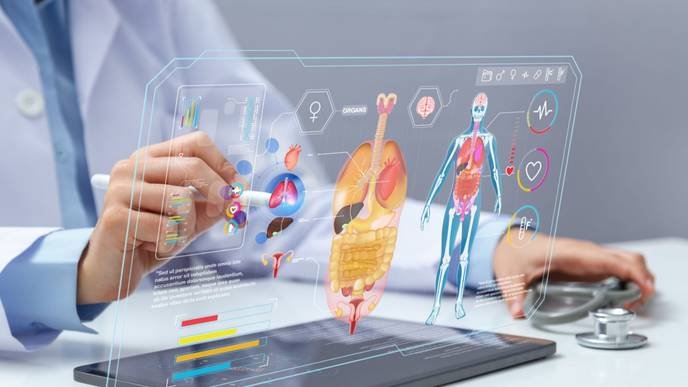
Cancer is one of the toughest problems in modern medicine. Even with advances in treatment and prevention, it still takes millions of lives every year. The use of Artificial Intelligence (AI) in medicine offers a groundbreaking way to fight cancer. This article looks at how combining AI with medical science can change the way we diagnose, treat, and prevent cancer.
Understanding the Role of AI in Medicine
AI means machines can mimic human intelligence, like learning and decision-making. In medicine, AI tools like machine learning and natural language processing analyze huge amounts of medical data. They find patterns and make predictions, which is especially useful in cancer care. Early detection, personalized treatments, and drug development are some key areas where AI is making a big difference.
AI in Early Detection
Finding cancer early makes treatment more successful. AI tools can study medical images like X-rays, MRIs, and CT scans with great accuracy. For example, AI can spot small changes in mammograms or lung scans that doctors might miss. These tools are already helping radiologists make better diagnoses and reduce mistakes.
Personalized Medicine and AI
Every cancer patient is different, and so is their disease. Personalized medicine creates treatment plans tailored to a person’s genetics, lifestyle, and other factors. AI can study genetic data to find mutations and recommend specific treatments. For instance, AI systems can predict how a patient will respond to certain drugs, helping doctors choose the best option with fewer side effects.
Accelerating Drug Discovery
Creating new cancer drugs takes a lot of time and money. AI can speed up this process by analyzing complex data to find potential drug candidates. AI models can simulate how drugs interact with cancer cells, saving time in early research. AI can also find new uses for existing drugs, offering faster and cheaper solutions.
AI-Driven Innovations in Cancer Care
Radiomics and Imaging
Radiomics uses data from medical images to provide detailed insights about tumors, like their size, shape, and texture. AI can analyze this data to help doctors plan treatments and track their effectiveness.
Predictive Analytics
AI is great at predicting outcomes. It can forecast how a disease might progress or how well a treatment will work. For example, AI can predict the chances of cancer coming back based on a patient’s history and treatment data. These insights help doctors take preventive steps and improve patient care.
Virtual Assistants and Patient Support
AI-powered virtual assistants are changing patient care by offering round-the-clock support. They can answer questions, remind patients to take their medicines, and even provide emotional support. For cancer patients, this kind of help can reduce stress and improve their quality of life.
Challenges and Ethical Considerations
While AI has huge potential in cancer care, it also brings challenges:
- Data Privacy: Keeping patient data safe and private is critical.
- Bias in AI Models: AI systems can inherit biases from the data they learn from, leading to unfair treatment.
- Regulatory Hurdles: Bringing AI into medical practice requires strict rules to ensure safety and effectiveness.
- Cost and Accessibility: Advanced AI tools need to be affordable and available to everyone.
Future Prospects
The future of cancer care depends on combining AI and medicine seamlessly. Research is ongoing to make AI better at understanding complex biological systems and developing new treatments. Partnerships between tech companies, hospitals, and regulators will be essential to make this vision a reality.
Conclusion
Combining medicine and AI offers a powerful way to fight cancer. AI is transforming how we detect, treat, and prevent this disease. While challenges remain, advancing AI technology brings hope for a future where cancer is no longer life-threatening. By using the strengths of AI, we are moving closer to overcoming one of the biggest challenges in healthcare.


Hey very cool website!! Man .. Beautiful .. Amazing .. I will bookmark your blog and take the feeds additionally…I am satisfied to seek out numerous useful info right here in the put up, we need develop extra techniques in this regard, thanks for sharing. . . . . .
I am only commenting to let you understand of the perfect encounter my friend’s princess enjoyed visiting your webblog. She noticed a lot of issues, which include what it’s like to possess an excellent coaching spirit to let other people easily fully grasp chosen very confusing subject matter. You actually did more than our desires. Thank you for coming up with these effective, dependable, informative and also unique guidance on your topic to Jane.
Hello my friend! I wish to say that this article is amazing, great written and come with approximately all significant infos. I?¦d like to see more posts like this .
obviously like your web-site however you need to take a look at the spelling on several of your posts. Several of them are rife with spelling problems and I in finding it very troublesome to inform the reality on the other hand I’ll definitely come back again.
fantastic post, very informative. I wonder why the other experts of this sector don’t notice this. You should continue your writing. I am confident, you have a great readers’ base already!