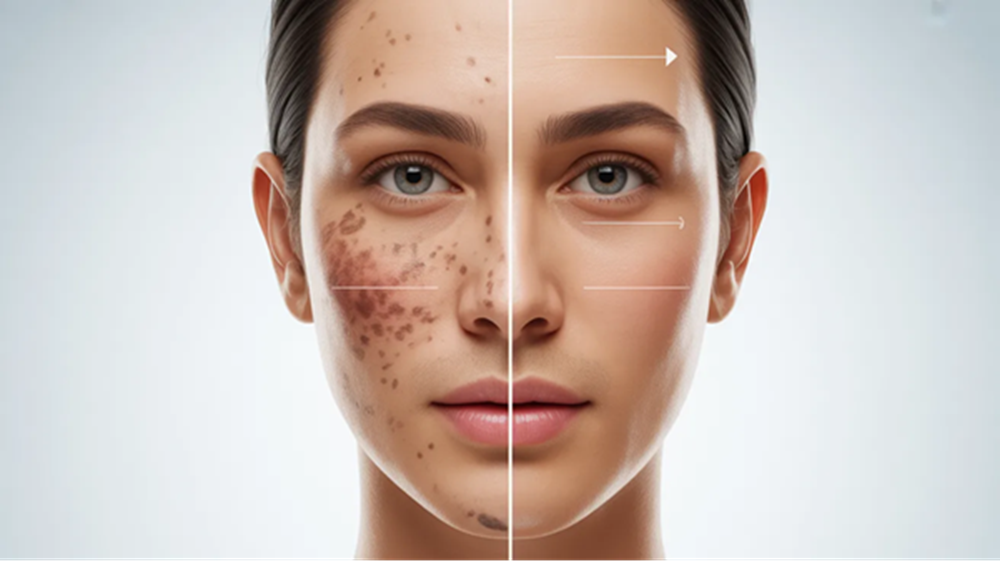
Pigmentation is one of the most common skin concerns I come across—yet also one of the most misunderstood. Dark patches on the cheeks, acne marks that refuse to fade, uneven skin tone, or stubborn dullness often push people into trying one product after another. From home remedies to trending serums and clinic procedures, most individuals invest a lot of time and money, only to see temporary improvement or relapse. This ongoing cycle raises an important question: can pigmentation really be removed permanently, or is it something we must constantly battle?
To find a clear, science-backed answer, I decided to look beyond online advice and marketing claims. I had an in-depth discussion with Dr. Geetika Srivastava, MD (Dermatology), AIIMS, one of the most respected dermatologists in Delhi, whose clinical approach to pigmentation is rooted in medical evidence rather than cosmetic shortcuts. What stood out during our interaction was her emphasis on understanding pigmentation as a behavior of the skin, not just a visible patch. The insights from that conversation shaped how I view pigmentation and why this article focuses on long-term solutions instead of quick fixes.
Pigmentation develops when melanocytes, the pigment-producing cells of the skin—become overactive. Melanin is essential for protecting the skin from UV damage, but when produced in excess or unevenly, it leads to dark spots or patches. Factors such as sun exposure, hormonal changes, inflammation from acne, genetics, and even repeated skin irritation play a role. This explains why pigmentation is rarely a surface-level problem and why it behaves differently in every individual.
This is also why many people seeking pigmentation treatment in Delhi feel confused and disappointed. Despite using multiple products or undergoing procedures, results often don’t last. Indian skin tones, in particular, are more prone to pigmentation and relapse due to higher melanin activity. Treating pigmentation without understanding its type and depth often leads to short-term improvement followed by recurrence.
Understanding Different Types of Facial Pigmentation
One key learning from my research is that pigmentation is not a single condition. Its treatment depends heavily on the type.
Melasma
Melasma usually appears symmetrically on the cheeks, forehead, nose, or upper lip. It is often triggered by hormones, pregnancy, oral contraceptives, or sun exposure. Melasma is chronic and requires long-term management rather than aggressive treatment.
Post-Inflammatory Hyperpigmentation (PIH)
These are dark marks left behind after acne, burns, or skin injuries. PIH is extremely common in Indian skin and usually responds well to the right skincare and patience.
Sun-Induced Pigmentation
Repeated sun exposure without adequate protection leads to tanning and sun spots. Over time, this can become stubborn and uneven.
Hormonal or Drug-Induced Pigmentation
Conditions like PCOS, thyroid imbalance, or certain medications can trigger or worsen pigmentation patterns.
Each of these types behaves differently, and treating them the same way is one of the biggest reasons pigmentation treatments fail.
Can Pigmentation Be Removed Permanently?
This is the most important question, and the answer requires honesty.
Pigmentation can be significantly reduced and kept under long-term control, but it is not something that disappears forever with one cream or one procedure. Permanent removal does not mean melanocytes stop functioning. Instead, it means:
- Existing pigmentation is treated safely
- Overactive pigment pathways are controlled
- Triggers are minimized
- Relapse is prevented through maintenance
Once I understood this, it became clear why people who chase “permanent cures” often end up disappointed.
Why Pigmentation Keeps Coming Back
Pigmentation relapse is usually not because treatment doesn’t work—but because it is stopped too early or done incorrectly.
Common mistakes include:
- Overusing acids and exfoliants
- Mixing multiple active ingredients
- Skipping sunscreen or applying too little
- Treating melasma like acne marks
- Using steroid-based fairness creams
- Stopping treatment once skin improves
These practices damage the skin barrier and increase inflammation, which further stimulates melanocytes and leads to darker rebound pigmentation.
What Actually Works Long-Term: The 3-Pillar Approach
From everything I’ve learned, long-term pigmentation control relies on three essential pillars.
1. Correct Diagnosis
No two pigmentation cases are the same. Treatment depends on the type, depth, and trigger factors. Dermatologists use clinical tools to determine whether pigmentation is superficial or deep before starting treatment. Self-diagnosis often leads to incorrect product choices.
2. Targeted Treatment (Not Aggressive Treatment)
For mild pigmentation, dermatologist-recommended ingredients include:
- Niacinamide
- Azelaic acid
- Tranexamic acid
- Vitamin C (used correctly)
Consistency and patience matter more than strength.
For moderate to severe pigmentation, treatment may involve:
- Carefully selected chemical peels
- Energy-based treatments for specific cases
- Oral medications under medical supervision
Combination therapy, when done responsibly, produces better and safer results than aggressive standalone treatments.
3. Prevention and Maintenance
This is the most underestimated yet crucial pillar.
- Daily broad-spectrum sunscreen
- Proper quantity and reapplication
- Sun-protective habits
- Barrier-repair skincare
- Managing hormonal and lifestyle triggers
Without maintenance, even the best treatment will fail.
How Long Does Pigmentation Treatment Take?
Pigmentation improves gradually:
- 4–6 weeks: early improvement in tone
- 3–6 months: visible pigment reduction
- Beyond 6 months: maintenance phase
Quick results often come at the cost of long-term skin health.
Home Care vs Dermatologist Care
- Mild, recent pigmentation may respond to guided skincare
- Chronic, spreading pigmentation requires professional care
- Melasma and hormonal pigmentation should never be self-treated
Expert guidance prevents unnecessary damage and wasted effort.
Myths That Need to Stop
- Home remedies permanently cure pigmentation
- One laser session works for everyone
- Fairness creams are safe long-term
- Pigmentation never returns once cleared
Believing these myths is what turns pigmentation into a chronic issue.
How to Maintain Results Once Pigmentation Improves
- Use sunscreen year-round
- Keep skincare gentle and barrier-friendly
- Adjust routines seasonally
- Continue maintenance actives
- Schedule periodic skin reviews
Pigmentation control is not difficult when done correctly—it just requires consistency.
Final Thoughts
After gathering expert insights and understanding the science behind pigmentation, one thing is clear: pigmentation is not a quick-fix problem. It is a long-term skin behavior that responds best to correct diagnosis, targeted treatment, and disciplined maintenance.
With the right approach, pigmentation can be controlled effectively for years—without damaging the skin or chasing unrealistic promises.
This article is written after expert discussions and clinical insights shared by Dr. Geetika Srivastava, MD (Dermatology), AIIMS.