Why Knowing the Rules Matters
If you own a home or building in Calgary, especially one built before the 1990s, understanding asbestos removal regulations is essential. Asbestos was widely used in construction materials, and while it’s now banned, it still lingers in older structures. Therefore, if you’re planning renovations or demolitions, it’s not just good practice to follow safety rules—it’s the law.
Many people assume asbestos concerns only apply to major renovations. However, even something as small as cutting into drywall can trigger requirements. In other words, you could be risking more than your health if you’re unaware of the local asbestos removal laws.
When Asbestos Rules Apply in Calgary
The need for asbestos testing and removal is triggered under specific circumstances. Firstly, if you’re doing any work that disturbs potential asbestos-containing materials, you’re obligated to test the area. This applies to both residential and commercial properties.
Secondly, the City of Calgary mandates that all demolition or renovation permits include confirmation that asbestos testing has been completed when required. Furthermore, if asbestos is found, a licensed abatement contractor must handle its removal before any other work begins. This means skipping the step can delay your project or result in fines.
Above all, the rules are there to protect people from airborne asbestos fibres, which are dangerous when inhaled. So following them is more than a formality—it’s a way to keep everyone safe.
Materials That May Contain Asbestos
Knowing which materials might contain asbestos helps you stay compliant. Common building elements that could be affected include:
- Textured ceiling coatings
- Vinyl floor tiles and adhesives
- Plaster and drywall joint compound
- Insulation around ducts or boilers
- Exterior siding and roofing shingles
In many cases, the asbestos is tightly bound and poses no risk unless disturbed. However, as soon as those materials are cut, drilled, or sanded, fibres may be released. That is to say, even seemingly small jobs could create a hazardous environment.
Requirements for Testing Before Renovation
Alberta’s Occupational Health and Safety Code clearly outlines the need for asbestos testing. Before beginning any demolition or renovation work, property owners must ensure a qualified consultant inspects and samples materials likely to contain asbestos. The results must be documented and shared with workers or contractors.
In addition, the inspection must be specific to the scope of work. For instance, if you’re replacing flooring, it’s not enough to test the walls or ceiling—you need flooring samples tested too. This targeted approach helps prevent accidental exposure and ensures the safety of everyone involved.
How Asbestos Must Be Removed in Calgary
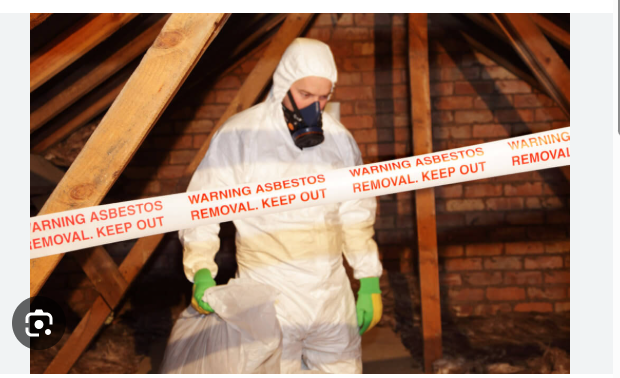
Once asbestos is confirmed, only licensed professionals are allowed to remove it. Calgary regulations require that the process be done in a sealed environment, often with negative air pressure and HEPA filtration to prevent fibres from escaping into the rest of the property.
The removed materials must be properly bagged, labelled, and transported to an approved disposal site. Meanwhile, air monitoring may also be required, especially on commercial jobs or large residential removals. Skipping any part of this process can result in legal consequences.
To meet all these requirements and avoid unnecessary risks, we recommend working with an abatement & remediation company in Calgary. That way, you’ll have experienced professionals guiding the entire process from testing to clearance.
Renovation Permits and Asbestos Documentation
The City of Calgary has strict guidelines when it comes to renovation permits. During the application, you must confirm whether the structure contains asbestos and provide documents from a professional asbestos inspection if necessary.
After that, if asbestos is found, proof of removal and disposal by a certified contractor must be submitted before proceeding with construction. This applies even to homeowners doing their own renovations.
Most importantly, incomplete or false documentation can cause your permit to be denied or revoked. For example, some property owners skip proper steps to save time or money and end up with stop-work orders or fines. So it’s better to handle asbestos properly from the start.
Tips for Staying Compliant Without Delays
Dealing with asbestos rules doesn’t have to be overwhelming. We’ve found a few practical steps can keep your project on track while ensuring everyone’s safety.
- Plan for testing early, even before your renovation design is finalized
- Ask your contractor or architect if they’ve worked with asbestos compliance before
- Keep clear records of all testing, abatement, and air clearance documents
- Avoid starting any demolition before tests are completed and reviewed
Most importantly, don’t rely on visual assessments alone. Many asbestos-containing materials look identical to safe alternatives. Therefore, only lab testing can confirm whether you’re dealing with a hazard.
If you’re unsure where to start, you can always contact us to speak with experienced professionals. We’ll help walk you through the right steps based on your property and plans.
Why DIY Removal Is Never the Right Call
Some homeowners believe they can remove asbestos themselves to cut costs. However, in Calgary, that’s a violation of health and safety regulations. Asbestos must be handled by trained and certified workers using specialized protective gear and containment measures.
Attempting to remove it yourself not only puts your health at risk but could also affect the resale value of your home. That is to say, buyers may demand proof of legal and professional abatement work before closing a sale.
In some cases, insurance companies may even refuse coverage if there’s evidence of unsafe asbestos handling. So, while it might seem faster or cheaper to do it yourself, the long-term consequences are not worth the risk.
Common Mistakes That Delay Projects
In our work across Calgary, we often see the same errors that stall renovations or lead to regulatory issues. Here are some of the most common ones to avoid:
- Assuming newer homes are always asbestos-free
- Failing to test all materials in the work area
- Hiring unlicensed contractors for abatement
- Starting demolition before receiving clearance
- Not submitting proper documentation with permit applications
To clarify, none of these mistakes are malicious—most people simply don’t know the rules until it’s too late. That’s why taking a proactive approach is always better.
What About Asbestos in Multi-Unit Buildings?
If you own or manage a multi-unit residential or commercial building, the rules become even more important. Any work done in a shared space or affecting multiple units must follow all provincial and city regulations.
In these cases, you may also need to notify tenants, contractors, and possibly the public. For instance, if air monitoring reveals elevated fibre levels during removal, access to the building could be restricted.
Managing asbestos in these environments often requires careful scheduling, communication plans, and thorough documentation. That’s why experienced coordination with a certified team is essential.
FAQ
1. Do I need asbestos testing before replacing flooring or drywall?
Yes. If your home was built before 1990 and you’re disturbing flooring, drywall, or similar materials, testing is required to comply with Alberta’s safety codes.
2. Can I remove asbestos from my home by myself?
No. Calgary regulations prohibit unlicensed individuals from removing asbestos. Professional abatement is mandatory to protect health and meet legal standards.
3. What happens if asbestos is found during a renovation?
Work must stop immediately, and certified abatement must be completed before continuing. You’ll need proper documentation to move forward with permits or inspections.
4. How long does asbestos removal take?
It depends on the size and complexity of the job. Small removals can be done in a day or two, while larger projects may take a week or more, including air clearance testing.
5. What penalties exist for non-compliance?
Penalties can include stop-work orders, permit delays, fines, or liability issues if someone is exposed. Staying compliant protects your health and investment.