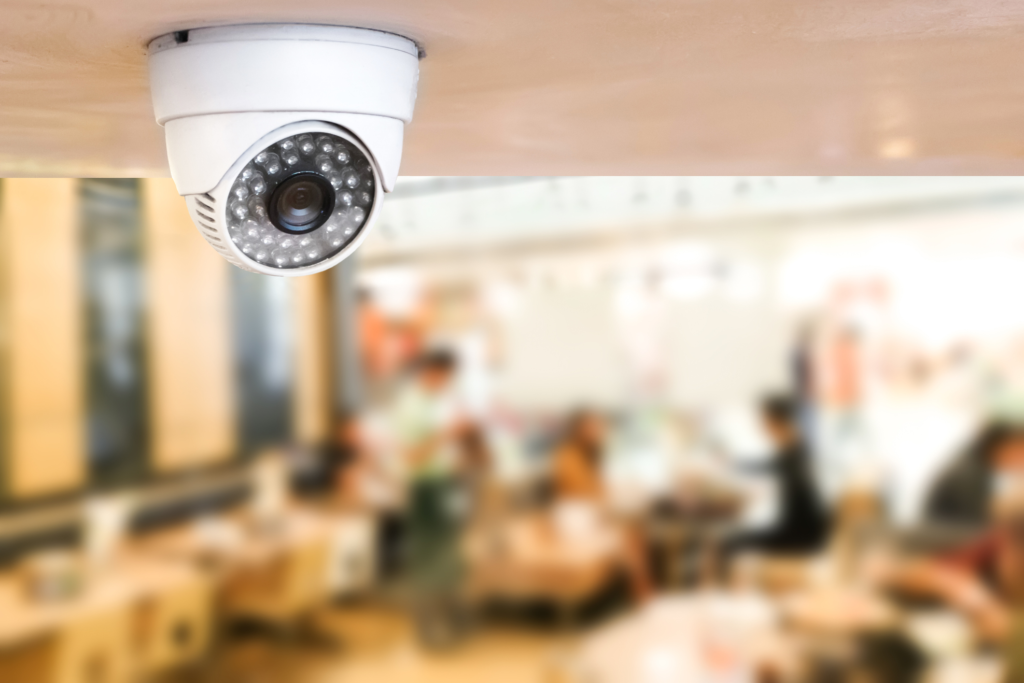
Every enterprise contends with evolving risks: after-hours intrusions, insider threats, cyber-physical attacks, safety incidents, and compliance mandates. The most effective defense is a cohesive strategy built on modern business security systems that integrate people, processes, and technology. When properly designed, these platforms don’t just deter crime—they streamline operations, protect data, lower insurance exposure, and elevate customer and employee confidence. The goal is simple: protect people, property, and profit while enabling the organization to move faster, not slower.
Core Components of Modern Business Security Systems
At their core, business security systems combine layered deterrence, rapid detection, and orchestrated response. They weave together access control, video surveillance, intrusion detection, and alarm monitoring, increasingly enhanced by analytics, cloud management, and mobile workflows. The result is situational awareness—from a single storefront to distributed, multi-site enterprises—designed to minimize blind spots and reduce response times.
Start with access control. Badge, PIN, mobile credential, and biometric options enforce least-privilege policies and create a verifiable audit trail for compliance. Granular schedules restrict entry by department, shift, or contractor role. Door position sensors, interlocks, and mantraps curb tailgating, while video-linked event verification confirms identity at sensitive doors such as data rooms or pharmacies. For multi-location companies, cloud-managed access control standardizes policies and allows fast onboarding across sites without heavy on-premise infrastructure.
Next is video surveillance. IP cameras with high dynamic range, low-light performance, and smart codecs provide clear images while controlling bandwidth and storage costs. A capable video management system (VMS) organizes live views and archives, and integrates with analytics: motion classification to filter out foliage or headlights, people/vehicle detection to prioritize alarms, and object search to accelerate investigations. Privacy masking, retention rules, and role-based viewing maintain compliance with privacy requirements while preserving evidence quality for incidents and claims.
Finally, intrusion and environmental sensing round out the stack. Door/window contacts, glass-break and motion detectors, panic buttons, temperature and water leak sensors, and critical equipment alerts feed into a monitored alarm panel. Video or audio alarm verification reduces false dispatches and speeds first responder engagement. Communication paths should include IP with cellular failover, and critical sites need UPS power to maintain uptime. When unified through a single platform—orchestrating doors, alarms, cameras, and analytics—organizations gain a cohesive, easy-to-train workflow that scales. For a deeper overview tailored to commercial environments, explore modern business security systems that align with operational and regulatory needs.
Designing a Security Strategy: Risk, Compliance, and ROI
A successful program begins with a rigorous risk assessment. Identify assets (people, cash, inventory, data, equipment), map likely threats (theft, sabotage, workplace violence, fraud, data exfiltration), and quantify business impact (downtime, loss, reputational damage, fines). Use this to set protection levels: hardened perimeters for yards and loading docks; controlled zones for labs, pharmacies, and server rooms; and visitor-managed lobbies. Apply principles of defense-in-depth and Crime Prevention Through Environmental Design (CPTED): lighting, clear sightlines, and signage paired with cameras, alarms, and trained responders.
Compliance is integral. Retailers and financial services must align with PCI DSS; healthcare with HIPAA; SaaS and data-centric enterprises with SOC 2 or ISO 27001; and all must keep pace with privacy laws such as GDPR and state regulations. Access control creates audit trails for segregation-of-duties. Video policies define who can view footage, how it’s retained and exported, and what’s masked. Visitor management systems capture consent, print badges with expiring credentials, and log host approvals. Incident response plans establish escalation paths, internal/external communications, and post-incident documentation—vital for regulators, insurers, and stakeholders.
From an operational perspective, evaluate total cost of ownership and return on investment. TCO includes hardware, licensing, bandwidth, storage, installation, training, and maintenance. Savings emerge from fewer false alarms, faster investigations, reduced shrink, improved safety, and lower insurance premiums. Choose solutions with proactive health monitoring and automated diagnostics to minimize truck rolls. Insist on service level agreements (SLAs) for response times and part replacements. Cybersecurity must be baked in: network segmentation (VLANs), strong authentication, encrypted streams, and timely patching protect cameras, controllers, and recorders from being pivot points for attackers. Finally, integrate with building systems (BMS), HRIS, and IT directories for automated provisioning, and align SOC processes so cyber and physical security share intelligence, ensuring a unified, rapid response across the enterprise.
Real-World Examples and Implementation Playbooks
Consider a regional retail chain with dozens of locations. Loss prevention challenges ranged from ORC (organized retail crime) to after-hours break-ins at back doors. A cloud-managed VMS unified stores for centralized oversight, while access control standardized opening/closing procedures and automated temporary codes for vendors. Cameras at cash wraps synchronized with POS exception reports, enabling focused reviews of no-sales, returns, and voids. Analytics prioritized human and vehicle events at receiving docks, filtering irrelevant motion. The result was faster case resolution, reduced shrink, and fewer nuisance alarms—freeing managers to focus on customer experience while enhancing staff safety during open and close.
In manufacturing and logistics, reliability and perimeter awareness are paramount. A distribution center deployed layered detection: fence-mounted vibration sensors, thermal imaging to detect intruders in low light, and license plate recognition at gates to reconcile shipments against schedules. Inside, door interlocks limited access to hazardous zones, and machine area readers tied operator permissions to safety training status. Environmental sensors protected cold storage and server cabinets from temperature spikes and leaks. When a generator fault occurred during a storm, alerts and camera verification allowed maintenance to intervene early, avoiding downtime. Insurance partners recognized the improved risk posture, supporting premium reductions and better terms at renewal thanks to verifiable alarm monitoring and documented incident workflows.
Multi-tenant offices and campuses illustrate the value of experience-driven security. A visitor system issued QR codes for streamlined lobby check-in, automatically provisioning elevator and floor access for the time of the meeting. Tenants used mobile credentials with geofencing to prevent remote badge misuse. Privacy safeguards masked areas in cameras with glass-walled conference rooms, and retention rules matched lease and regulatory requirements. A 24/7 security operations center (SOC) used dashboards to triage alarms, with playbooks that linked door forced-open events to instant video pop-ups and two-way audio. Implementation followed best practices: pilot at a flagship site; refine configurations; phase rollout to remaining buildings; train ambassadors in each department; and measure outcomes (alarm rates per door, average time-to-verify, service ticket MTTR). This approach balanced security with tenant convenience, building trust and improving occupancy appeal without sacrificing control.
Across these scenarios, the pattern is clear: start with a precise risk profile; select interoperable technologies; enforce governance; and emphasize usability. Lean into features that reduce operator burden—event-based video review, mobile approvals, and automated audits—so teams spend time on decisions, not on data chasing. And keep the lifecycle in view: firmware updates, testing schedules, red team/blue team exercises, and recurring drills ensure that what worked on day one continues to perform under new threats and business demands. With the right architecture, business security is not just a cost center; it’s an operational accelerator that protects margins, people, and brand reputation every day.