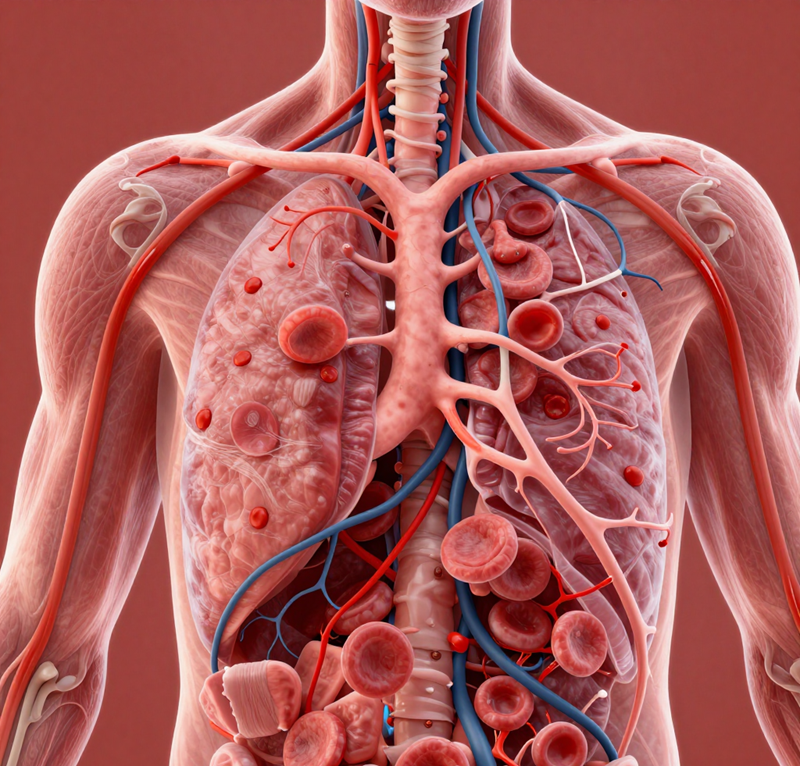
Blood is a very important connective tissue which contributes a lot in the maintenance of life. It constantly moves in all parts of the body, providing cells with oxygen and nutrients, eliminating waste products, fighting prevention of the infection, and balancing the body inside. The body organs and tissues would soon malfunction in the absence of blood since there would be no oxygen, nourishment and excretion. Blood is also effective because of its distinct composition that enables it to undertake many functions at the same time.
Blood consists of four large components, including red blood cells, white blood cells, platelets and plasma. They are all interdependent with each component playing its own role, but they all complete as a complete system as they serve the physiological needs of the body. A knowledge of these parts and their activities is useful in understanding how the body manages to remain healthy, how the body responds to an injury, and how the body adapts to changing conditions.
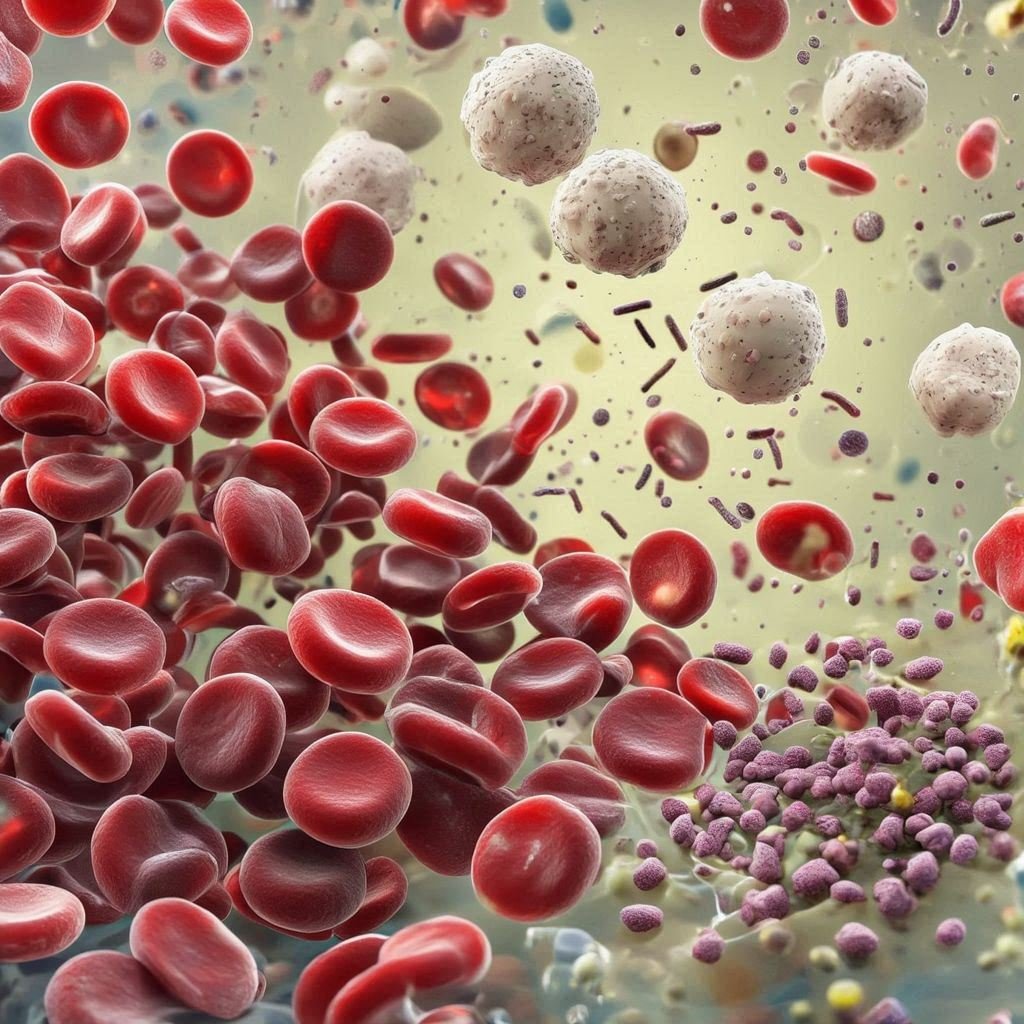
This article identifies the key major components of blood and the roles that they play in oxygen delivery, immunity, clotting and homeostasis. It also points out the role of these elements in the system to maintain life and favorable existence in general.
Introduction to Blood as a Connective Tissue
Blood is considered as a connective tissue since it binds various parts of the body together since it carries substances between the body parts. It passes by way of an enormous system of arteries, veins and capillaries to almost every cell. Blood is in a liquid state unlike other connective tissues which enables it to move freely and operate in a fast manner in response to the body needs.
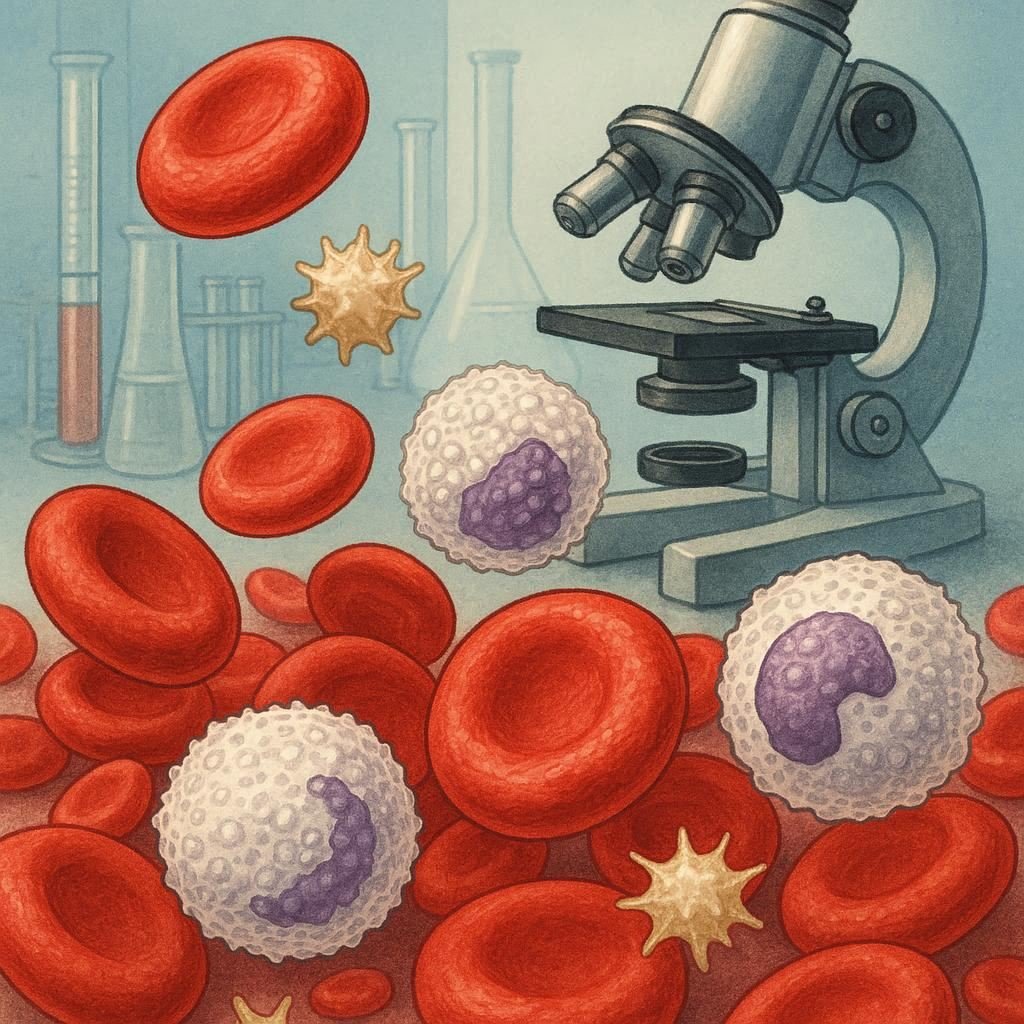
The blood chemistry is in perfect balance to sustain the numerous functions of blood. It is carried out by the cellular components, whereas the liquid component, plasma, offers a medium of transport and regulation. These components combined will guarantee that blood is able to address the metabolic, defensive and regulatory demands of the body at any given time.
Blood Oxygenation and Red Blood Cell Transport
The most common cells in blood are the red blood cells or erythrocytes. Their main task is to carry oxygen to the tissues and Carbon dioxide back to the lungs. This gaseous exchange is necessary to make the cells generate energy through a process called cellular respiration.
The red blood cells are very particular in shape being biconcave in form and this is because it increases the surface area of the blood cells enabling them to exchange gases effectively. They have no nucleus and thus more space of haemoglobin, the oxygen carrying protein. Iron is found in haemoglobin and makes blood red in colour and allows oxygen molecules to bind and dissociate accordingly.
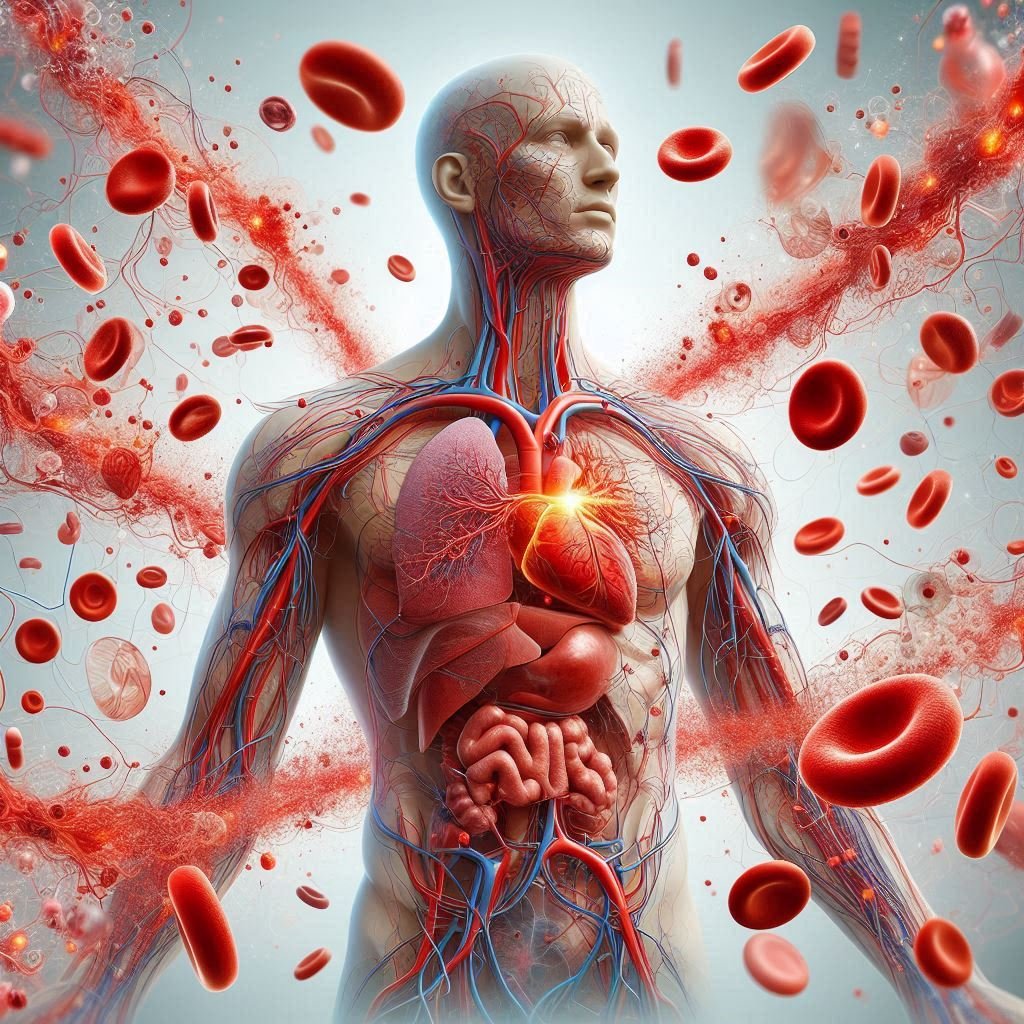
As the blood moves on to the lungs, the oxygen joins the haemoglobin, and thus creates oxygenated blood. During circulation, haemoglobin dissociates oxygen in those tissues where it is most in demand especially in the active or high metabolic cells. This controlled excretion maintains the level of oxygen that meets the demand of tissues.
Carbon dioxide which is a byproduct of metabolism is also transported by the red blood cells. The carbon dioxide is transported back to the lungs where it gets out of the body. This dual transportation role gives red blood cells the central position in the energy generation and prevention of waste build-up.
White Blood Cell and Immune Defense
The defence against infections and other organisms like bacteria and viruses is known as the immune defence and is referred to as White Blood Cells.
White blood cells or leukocytes play the role of safeguarding the body against infections and foreign substances. They constitute a low proportion of blood volume but when they have an effect on health, they are very influential. The immune system also consists of white blood cells which continually scan the body to detect ill health.

White blood cells are of a number of different types and have specific functions. Others destroy bacteria and debris and others produce antibodies or orchestrate immune responses, and some of the white blood cells do all of these things. The combination of these forms a complex defence system that is responsive to threats.
When a patient is infected or injured, white blood cells may leave the blood and come into the tissues. This skill enables them to target problem areas, where they get rid of the pathogens, and assist in recovery. They are crucial to their actions to prevent infectious spread and tissues integrity preservation.
White blood cells should be sufficient in number and properly functioning so as to have a healthy immune response. Once the ability of the white blood cells is impaired, then the body is more prone to sickness.
Platelets and Coagulation of Blood
Platelets or thrombocytes are small pieces of cells that are essential in blood coagulation. They are induced in case of a damaged blood vessel in order to stop excessive bleeding.
In case of injury, platelets stick immediately to the injured region and to one another resulting in a temporary plug. They emit chemical signals, which stimulate the clotting factors in the plasma to cause the creation of a stable clot. This clot closes the wound and gives the wound a structure to repair it.
Clotting process should also be properly controlled. Excessive clotting may lead to chronic bleeding whereas too little will lead to clotting and lead to severe complication. Platelets assist in maintaining this equilibrium since they respond only when and where necessary.
Platelets prevent blood loss in the body and help in healing of the body after it has been injured through their contribution in haemostasis.
Plasma as the Transport Medium
Plasma is the liquid part of the blood and it comprises greater than a half of the blood. It consists mainly of water, and it contains proteins, nutrients, hormones, electrolytes, and the waste products. Blood cells are transported in plasma where they are suspended.
Transportation of nutrients is one of the most significant ones in plasma. Following the digestive process, nutrients like glucose, amino acid, fatty acids, vitamins and minerals get into the blood and are transported to the body cells by the plasma. These nutrients assist in energy generation, growth and maintenance of tissues.
Hormones secreted by endocrine glands are also transported by plasma. Metabolism, growth, reproduction, and stress response are some of the processes that these chemical messengers’ control. Plasma facilitates the coordination of various systems in the body since it carries hormones to their destination tissues.

Besides, plasma carries metabolic waste products generated by the cellular metabolism. Through these wastes, the internal environment is kept clean as these wastes are moved to the organs that eliminate them, e.g. the lungs and the kidneys.
Blood Components Interaction during Transport
Blood has a transport role and this is possible only when all constituents are co-ordinated. Red blood cells and plasma transport oxygen and nutrients respectively and combine together to deliver requirements to the tissues. Meanwhile, wastes are gathered and removed out of cells.
This is a dynamic and flexible transport system. When exercising, blood circulation to muscles is surged in order to supply more oxygen and nutrients. Redistribution of circulation occurs in the resting period to areas that are engaged in digestion and recovery. Blood becomes adaptive to new environment constantly to enhance efficiency.
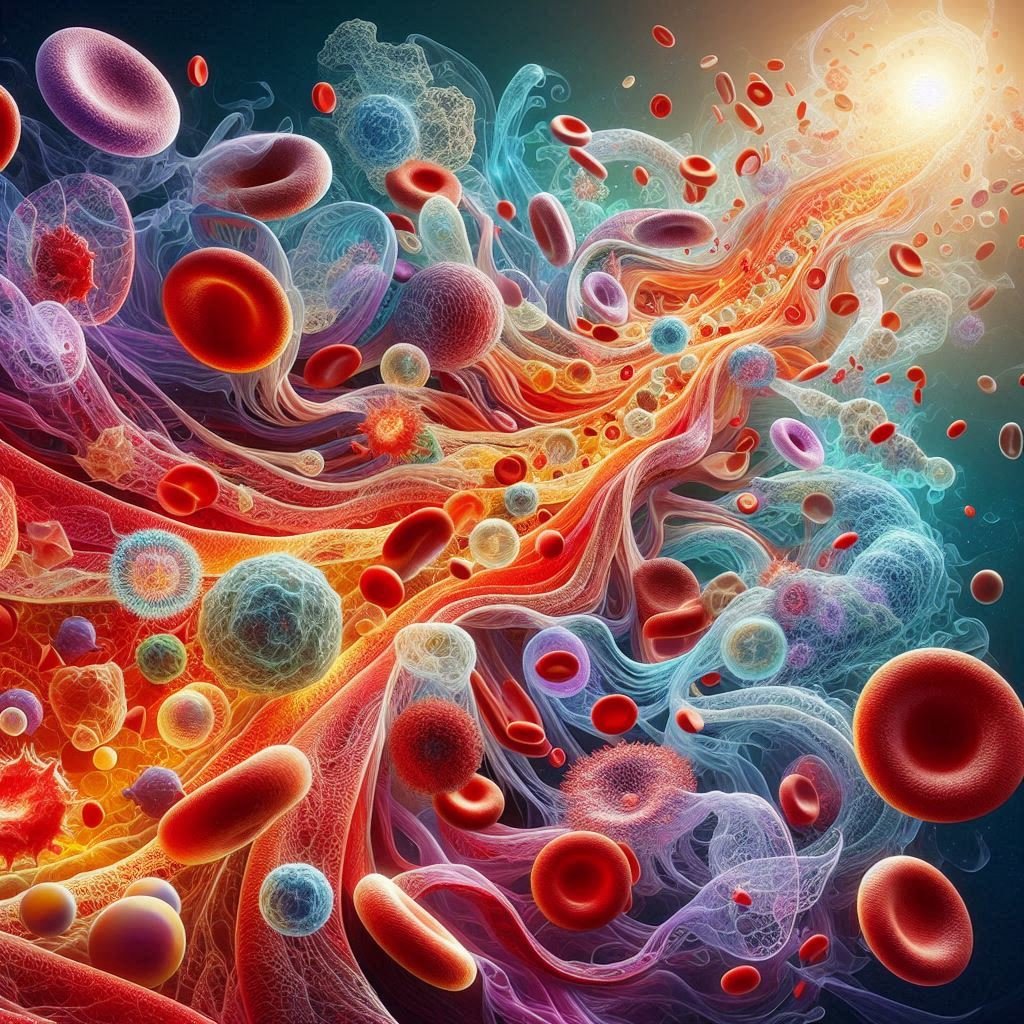
It is due to this coordinated transport that cells cannot continue to maintain metabolic activity and the systems of the body collapse.
Blood as Metabolite and source of Energy
Blood is a key component of the metabolism that transports the substances that are useful in energy production. The red blood cells carry oxygen that is needed in the aerobic respiration process through which cells generate energy using the nutrients. Plasma provides the glucose and other nutrients that are used as energy towards this process.
The increase in oxygen and nutrients to the cells is utilized to generate energy that is required in movement, growth, repair, and maintenance. Blood then carries away carbon dioxide and other wastes of the metabolism process to avoid accumulation of wastes that may be harmful.
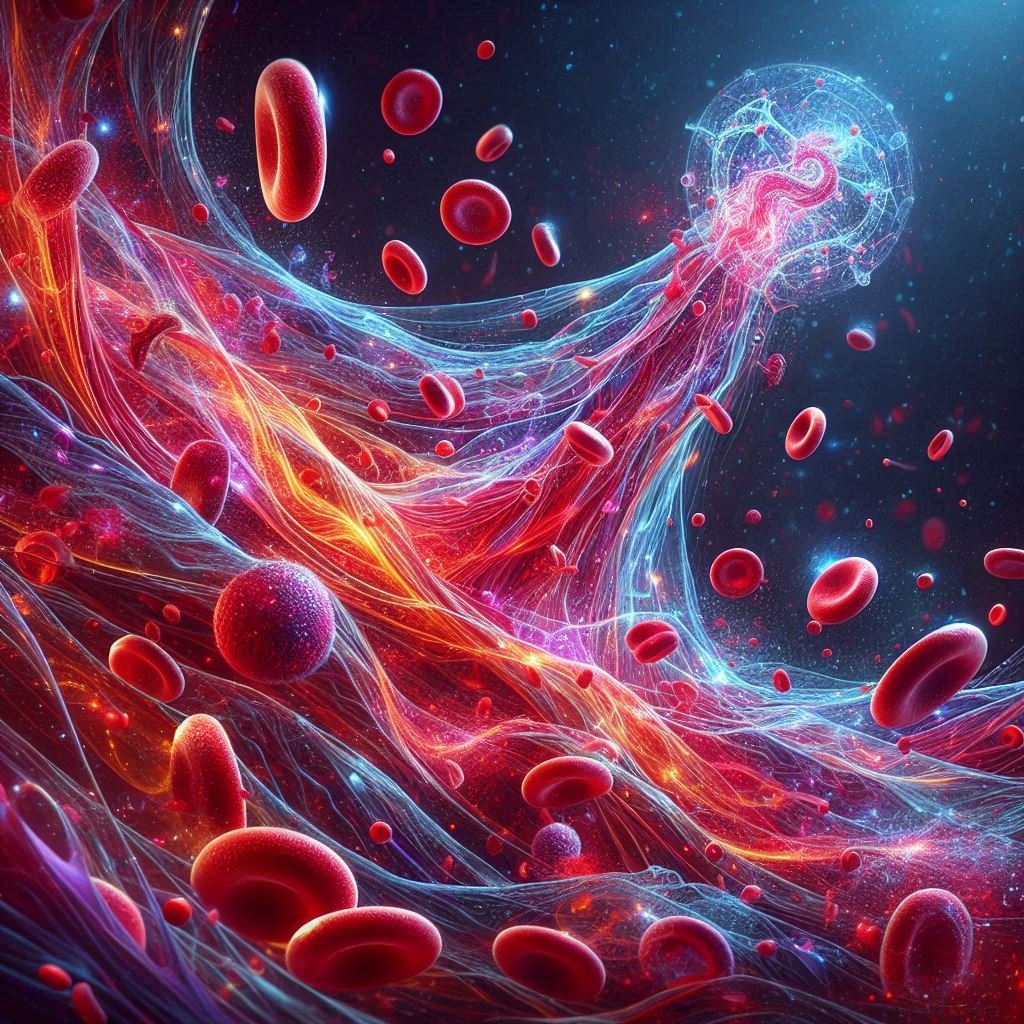
The flow of blood is efficient so that the energy generation is constant and sensitive to the needs of the body. This productivity comes in particularly handy when it comes to a time of high activity or high stress.
Blood and Immune Co-ordination
The immune system uses blood as a medium of communication. Whenever an infection occurs, white blood cells move over the blood into the area of infection, and plasma carries antibodies and signalling molecules to direct immune responses.
Once the pathogens get into the body, the immune cells are activated and moved to the areas of need. There is increased blood circulation to these areas, which becomes an inflammatory response and helps in healing, as it carries along with new immune factors.

This coordination enables the immune system to respond timely and efficiently to any disease and recover the body.
Homeostasis by Use of Blood
Homeostasis is a process whereby the body maintains a constant internal force despite external alterations. Blood is also an important component in sustaining homeostasis through the process of temperature, pH, and fluid regulation.
Blood flow distributes the heat thereby aiding in body temperature regulation. The plasma proteins and buffering systems are used in the preservation of steady pH levels necessary in enzyme activity and cellular functioning. The balance of fluids is maintained by plasma composition and tissues interaction.
Blood assists in these regulatory processes and this therefore helps in establishing a stable environment that allows cells to perform well.
Blood Flow and Circulatory Efficiency
The quality of blood elements relies on circulation. Blood is pumped by the heart via the vessels and guarantees constant movement of blood in the body. Blood vessels change their size to control the flow, channelling blood to the best-needed place.
With ease of circulation, blood components can easily execute their duties. Inefficient circulation may restrict the supply of oxygen and nutrients, deficient immunity and retard the elimination of waste products.
Healthy circulation is thus the key to the most advantages of the elements of blood.
Blood Parts and Tissue Repair
Tissues cannot be repaired and recovered without blood. Platelets begin to form clots in order to prevent bleeding and plasma contains nutrition and reserves that are necessary to heal wounds. White blood cells eliminate damaged tissue and also prevent infection at the sites of injury.
Oxygen carried by the red blood cells is necessary in the regeneration and repair process of the cells. The combination of these components forms an environment that promotes the effective healing and the restoration of the tissue integrity.
Blood Health and general well being
The correct operation of blood elements is vital to health in general. Diseases that involve the red blood cells, the white blood cells, the platelets, and the plasma can interfere with normal processes in the body. The underlying state of weakened blood is often shown through the symptoms like fatigue, weakness, elevated risk of infection or unsuccessful healing.
Having a good blood make up due to balanced diet, water, exercise and frequent medical check-ups help in the optimum functionality of all the blood constituents.
Conclusion
Blood is a complicated and vital tissue, which is made of platelets and red blood cells, white blood cells, and plasma. All of the components have their distinct functions but they combine to deliver oxygen and nutrients, protect against infection, prevent blood loss and internal balance.
In collaboration, blood components promote metabolism, energy generation, immune, repairing wounds in the body, and homeostasis. The knowledge of these roles gives attention to the relevance of blood in maintaining life and ensuring good health.
The body is in a better position to adjust, recover and prosper over the lifespan by keeping the blood and circulation healthy.