Introduction
It is sometimes difficult to balance school, coaching classes and study sessions at home. Students often end up having to catch up on daily classroom work during extra classes and at the same time work to get ready for big tests. However, it is a challenge because they have to focus, expend energy and time on each commitment, and end up feeling exhausted and frustrated. Key concepts are introduced in the classroom, reinforced in coaching sessions and essential to revision and mastering in individual study time. If they are not organized, it is easy for students to get overwhelmed, lose focus or become burned out.
The central theme of this fight is with time management. Students tend to underestimate the time required for tasks, and they don’t manage time well. For example, a pupil might be working too long on subjects they are not doing well in and too little on subjects in which they have some success. Likewise, if you miss breaks in an attempt to cram in extra study time, you may feel productive, but ultimately may become mentally fatigued, which can make it less productive. Balance awareness is key. The students require a good plan that combines classroom work, coaching sessions, and self-study and does not endanger their health.
Students can also learn important strategies on avoiding burnout while maintaining academic performance to ensure they stay mentally strong and productive throughout their exam preparation journey.
1. Make a Realistic Daily Schedule
To achieve a balance between a number of academic commitments, one of the best ways to plan is to have a structured daily schedule. List all activities, such as school hours, coaching classes, personal study time, mealtimes and rest time. Schedule time for each activity, but be mindful of some time buffer in case of unforeseen tasks or delays. A realistic time schedule helps eliminate last minute preparation and helps manage what happens on a day-to-day basis. Knowing when the brain is at its most productive is also important, typically when it is at its most alert, and it is a good idea to teach the more difficult subjects at this time. Students can develop good time management skills and not fall into the trap of chaos and burn out by establishing a daily routine.

2. Prioritize tasks and activities according to their importance.
Academic work is not equally weighted. This prioritization by Urgency and Importance can make a big difference in terms of productivity. List the tasks that could benefit from your prioritization: assignments due on or by a specific date, subjects that are challenging to understand, subjects that are higher in importance when it comes to exams. Identify urgency vs importance, using tools such as the Eisenhower Matrix. The way this is done will help to keep students from spending a lot of time on less important activities and neglecting the more important ones. When students concentrate on what is most important, they will find it easier to continue making progress in their studies without becoming overwhelmed, and will be able to hold their own in school, in coaching sessions and in their own studies.
3. Link Coaching Lessons to School Topics
One of the most common errors that students make is taking lessons at school and coaching as if they are two separate entities. But combining learning from coaching sessions with school work can be beneficial to time and consolidate learning. For example, if you go to a coaching class, review school notes that are related to the class so you will have the time to reinforce what you learned. This technique can help form ideas, linkages between sources, and facilitate recall of concepts and their use during tests. Also, coating classes as a revision method and not just as new content exposure can minimize redundancy and avoid students spending additional hours re-learning the same content.
4. Take a break from social media and technology.
The time blocking is a planning method in which students plan a set of time for specific tasks. For instance, a student might have a 60-minute maths period, then a 15-minute break after which a 45-minute English comprehension period. The advantage of this is that it helps the brain to concentrate on one task at a time and to avoid multitasking, which can lead to inefficiency. Short breaks between blocks are essential as a time for rest, which can lead to mental fatigue when studying for too long without a break. Time-blocking also creates a visual representation of the priority of that day and allows students to see their progress and adjust their schedule as necessary, thus ensuring they can effectively balance all of their academic obligations.
5. Set Achievable Goals

It’s important to establish goals that are realistic and measurable to keep you motivated and prevent unnecessary stress. Divide tasks into smaller tasks. In the case of a textbook, for instance, try to do a single chapter or a single type of problem each day. Set goals that are achievable gives a student a sense of achievement and motivation to strive for the same goal again. Furthermore, students can track their progress and adjust their study plans accordingly by having daily and weekly goals. This can help build a sense of control and confidence, as students can clearly see their progress, which is essential when managing school, coaching classes and personal study well.
6. Practice Self-Care and Stress Management
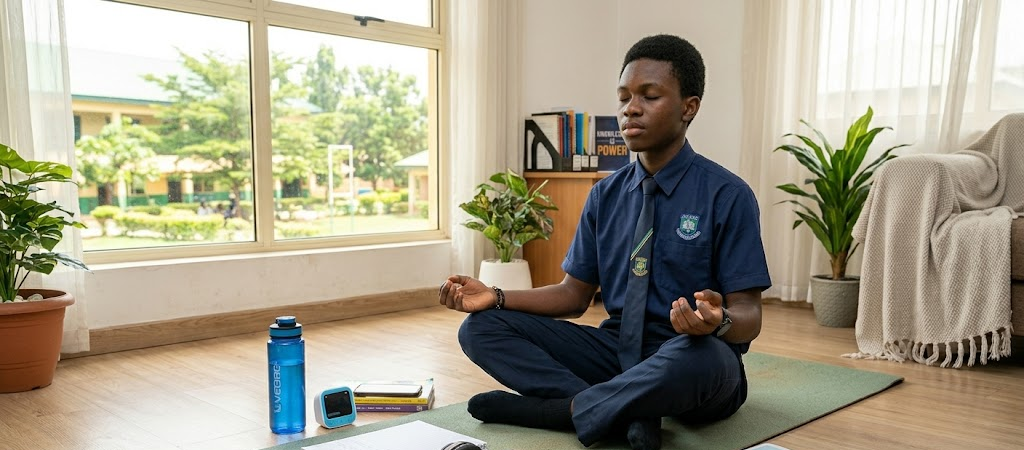
There is a strong correlation between good academic performance and good health. Poor sleep, eating and relaxing habits can result in low levels of energy, concentration and productivity. Students should aim for 7-8 hours of sleep per night, a well-balanced diet and at least some short relaxation exercises or light physical activity every day. Engaging in mindfulness, meditation or simple breathing exercises can also help to lower anxiety levels and increase focus. Most importantly, students should be aware of signs of stress in time and take action to control stress. The “Avoid Burnout” section of the website offers practical advice on how to stay mentally healthy and effective in your studies, while expert guidance can help avoid burnout completely.
7. Avoid Distracting Tasks and Work Tools
Distractions (particularly from a smartphone and social media) can have a significant impact on study plans. Students should set up a study environment by blocking websites or using focus apps during study sessions and avoid electronic devices. Plus, productivity apps, like digital planners, to-do lists, and note-taking software, can aid in task organization and monitoring. Using colour-coded planners or digital calendars can also make time management more visual and actionable, by marking important deadlines and study blocks with colour coding. Students can maximize the amount of learning time they have between school, coaching classes and self-study by eliminating distractions and using productivity tools to achieve consistent and efficient learning.
8. Reflect and adjust regularly
Finally, good reflection is key to balance. After each week review the week’s work, see how well it went and make changes as needed. Certain studies could be effective at certain times of day or for certain subjects and flexibility is essential to maintaining productivity over the long term. Reflection can also be used to detect patterns of procrastination or fatigue and to stimulate corrective action in a timely fashion before problems get out of hand. Students can continuously monitor and modify their strategies accordingly to maximize the use of school, coaching, and preparation time, alleviate exam stress, and ensure that they are still performing well academically.
Conclusion
Time is a balancing act between school, coaching classes and personal study sessions, and it takes planning, discipline and self-awareness. Realistic schedules, task prioritization, incorporation of lessons, and self-care can all contribute to achieving a balance that enhances productivity while maintaining students’ health. The efficient workflow, goal setting and periodic self-assessment further strengthen educational progress of the students, helping them stay motivated and confident in their exam preparation. These strategies can help people succeed academically while also enhancing their well-being, allowing them to enjoy learning and stay within their means.